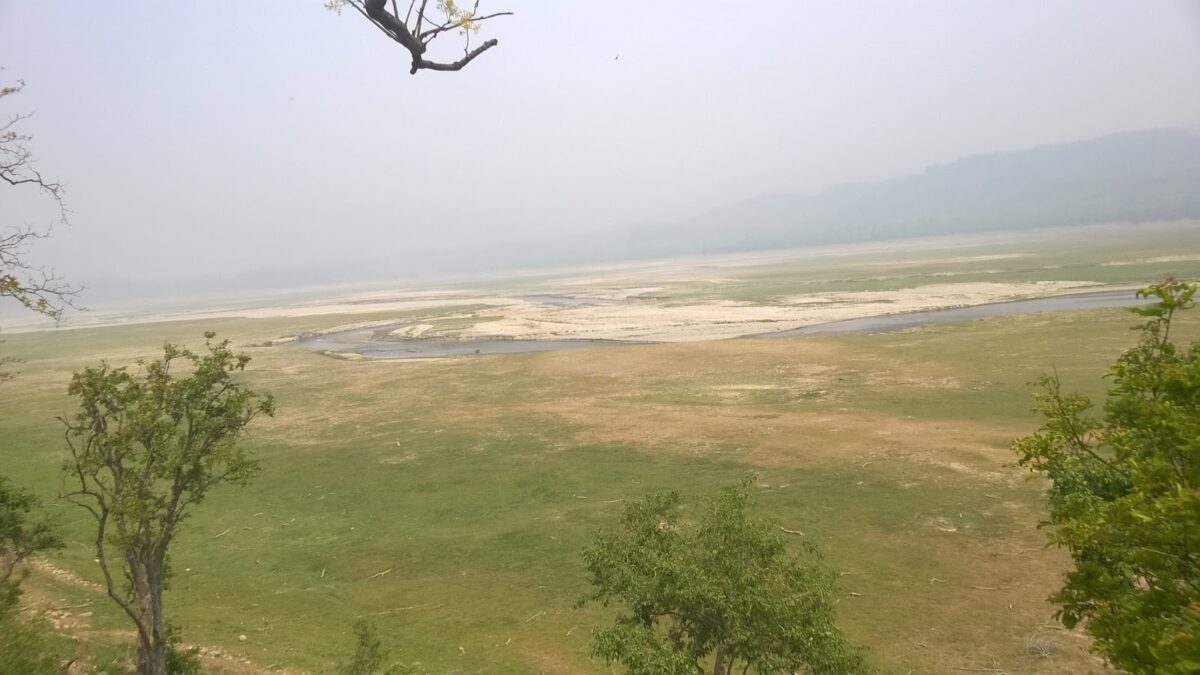
Ramganga River (Wordless Wednesday)
A khatta-meetha take on life around me through my presbiopic eyes!
|
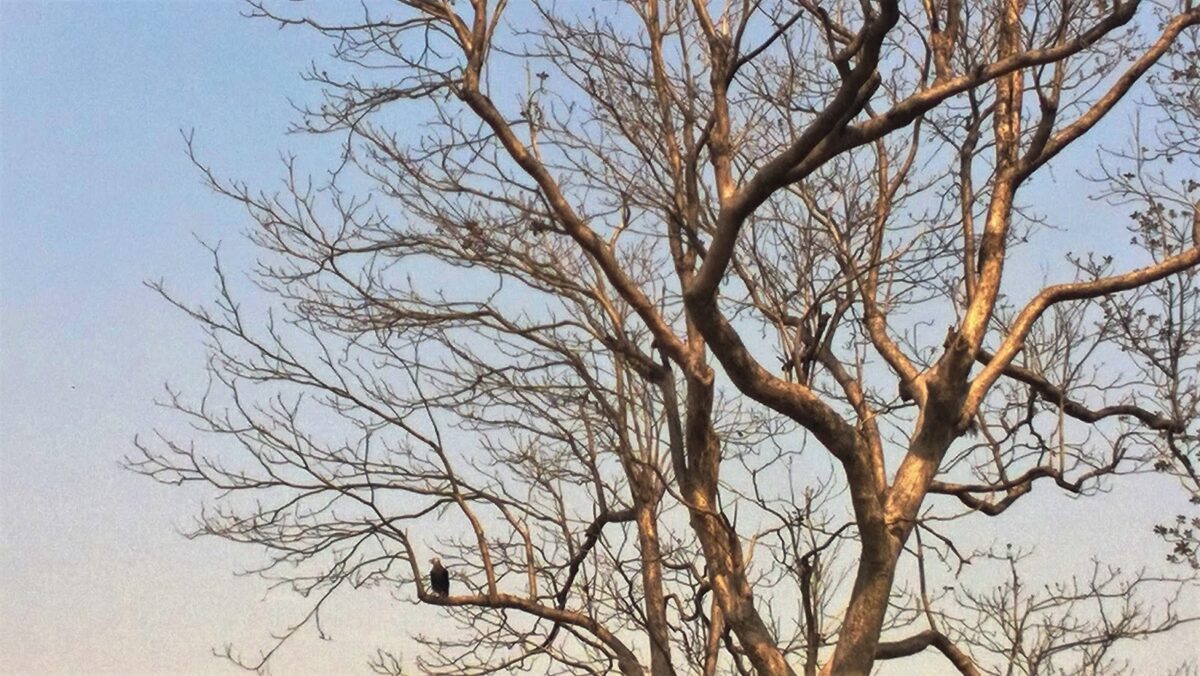
| What do you see? A Beheda devoid of its foliage in the harsh summer or the Pallas’s Fish Eagle? |
|
| Image courtesy Supriya Shelar |
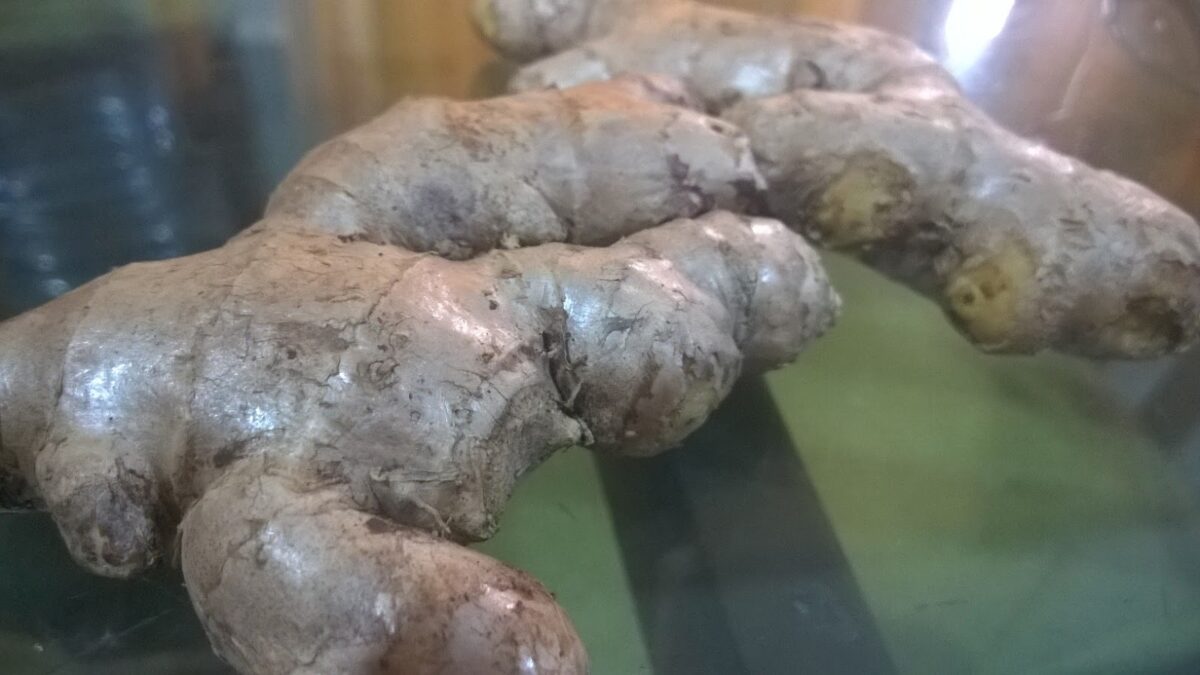 |
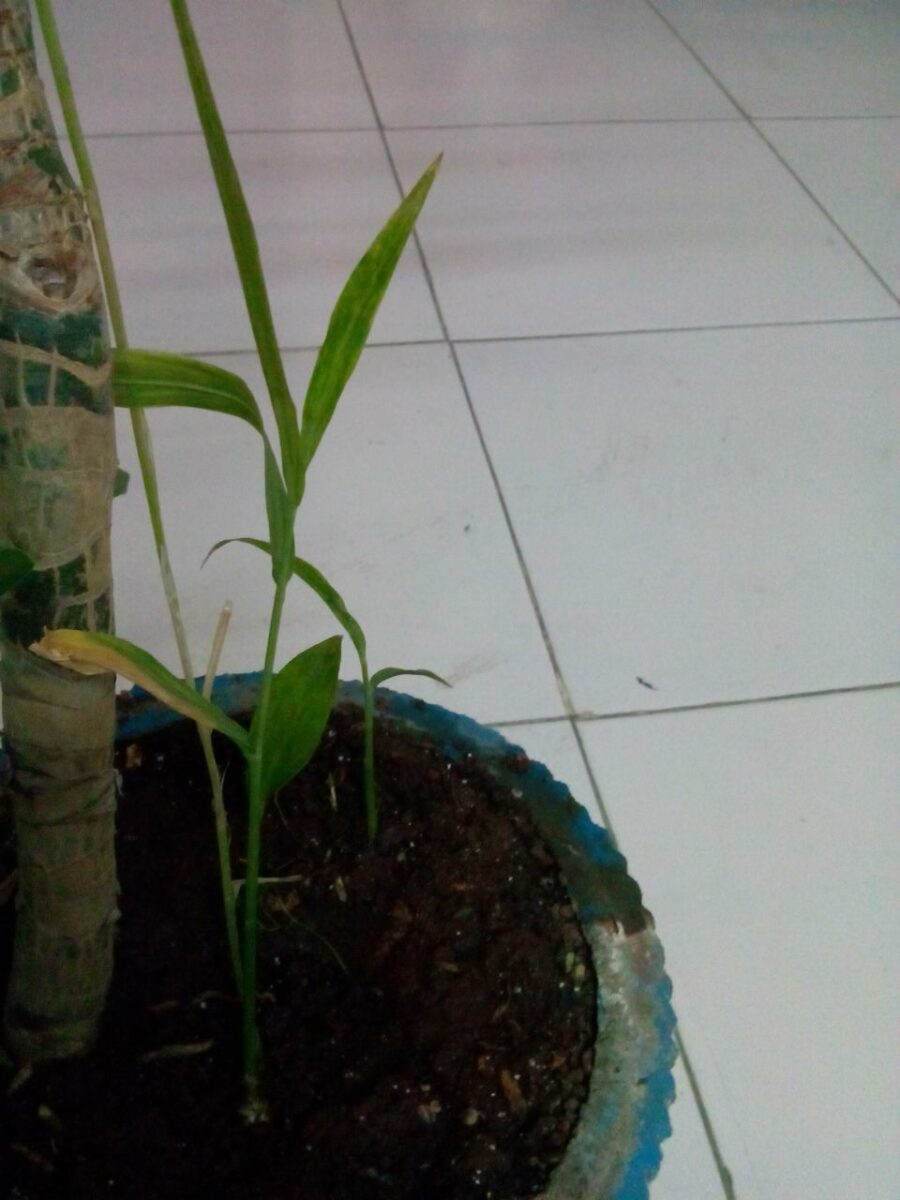
| Ginger root |
The root is used to flavour curries in Indian, Eastern and even Western cuisine. Adding crushed ginger to tea takes the beverage to a totally new level! Try it especially on a rainy day…Yet another winter specialty in Maharashtra is Ginger Squares also known as Alyachee wadi.. It is basically grated ginger cooked in sugar syrup and set into squares. It is a unique combination of hot and sweet. Via the 2016 April AtoZ I have discovered Ginger oil which seems to have immense medicinal effects.
Getting back to the ginger blossoms, I have seen a variety called Champagne Ginger being used as part of flower decorations.
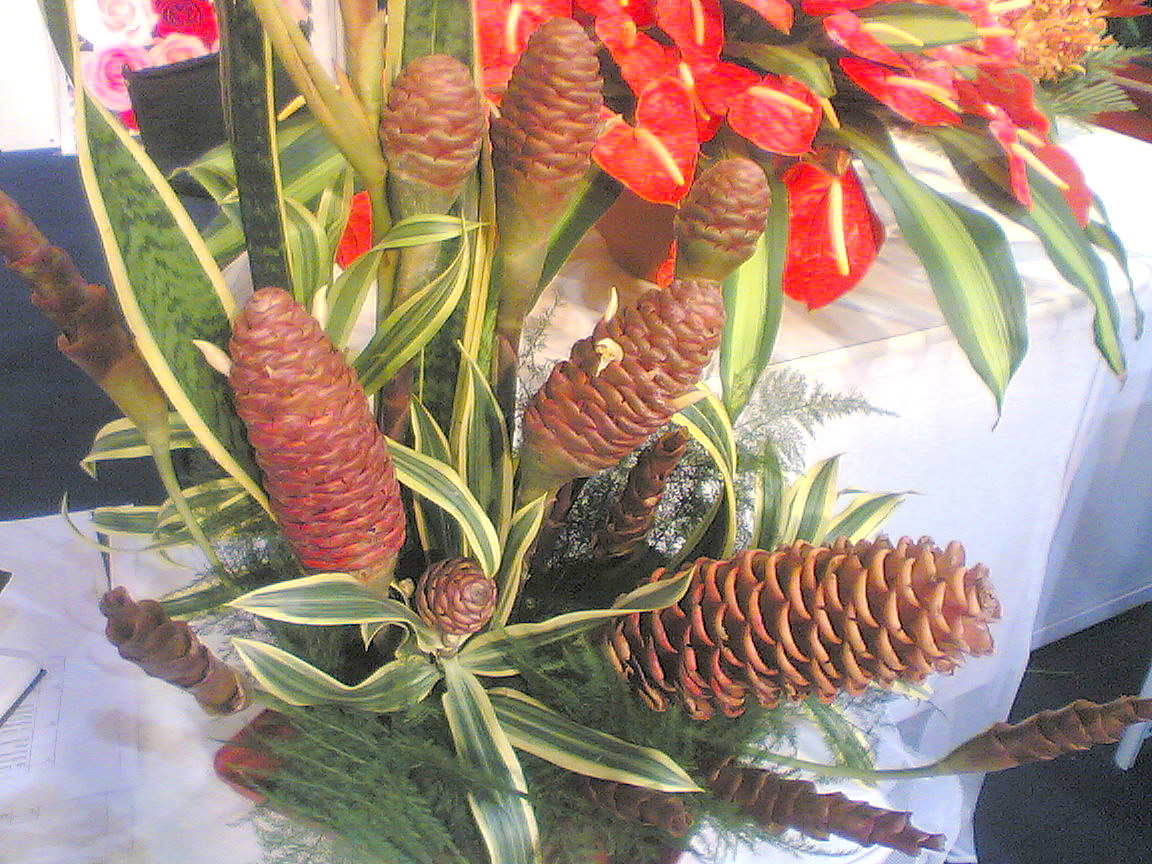 |
| Champagne Ginger in a flower arrangement |
Here is an image of the blossoms of Torch Ginger. Isn’t amazing?
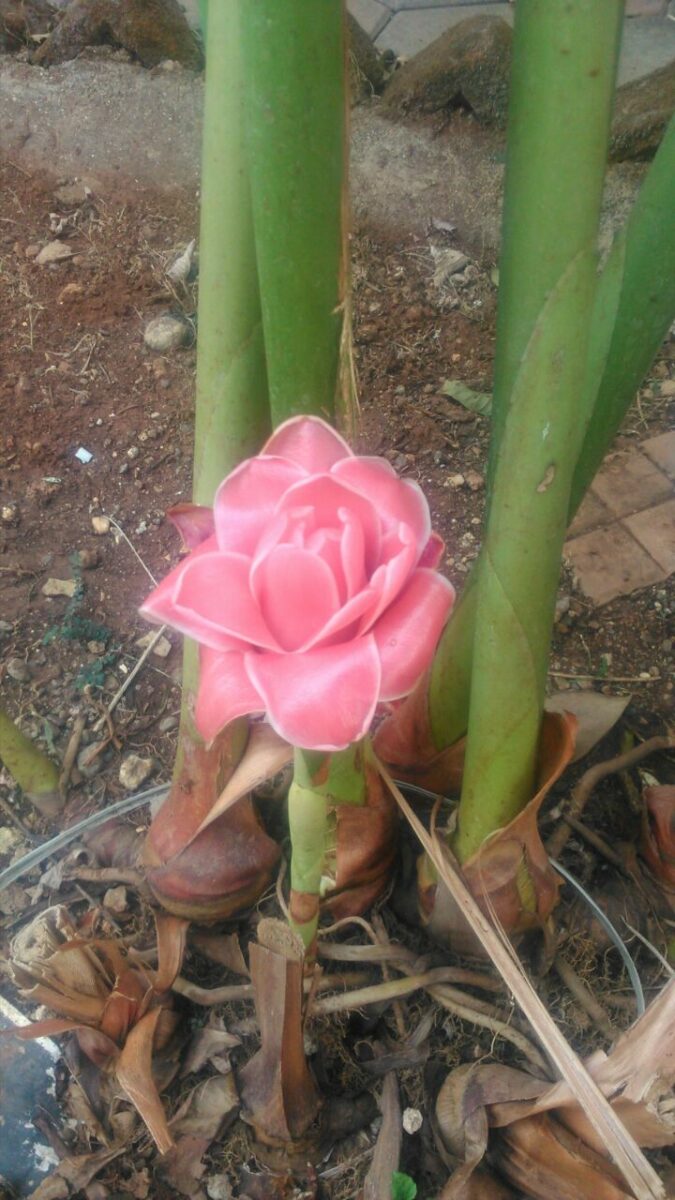
Obviously there is more to ginger than meets the eye!
That’s it from me! I hope you enjoyed this herbal journey as much I enjoyed putting it together. This is not the end of the road, as we will keep meeting in the blogsphere!
Keep revisiting dear readers, I will be honoured.
Thank you for your comments all through the month, they made were most encouraging.
Till we meet again, take care and happy blogging!
🙂
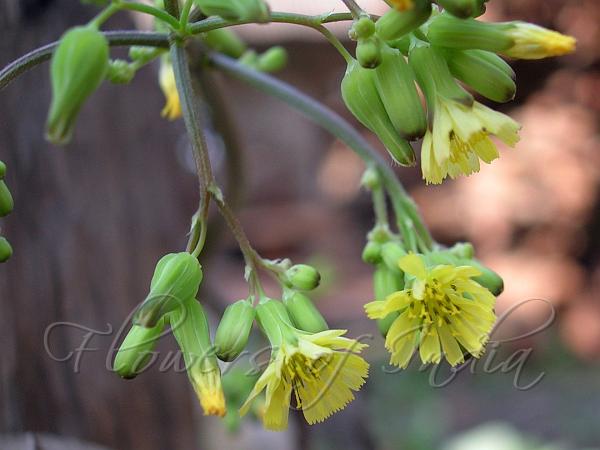 |
| Image from Flowers of India |
As the name suggests, this herb is an invasive. The usual Google search threw up this interesting very well researched post by Green Deane and it’s a must-visit site for those interested in botany. Apparently the plant has antiviral and anticancer properties! Amazing isn’t it?
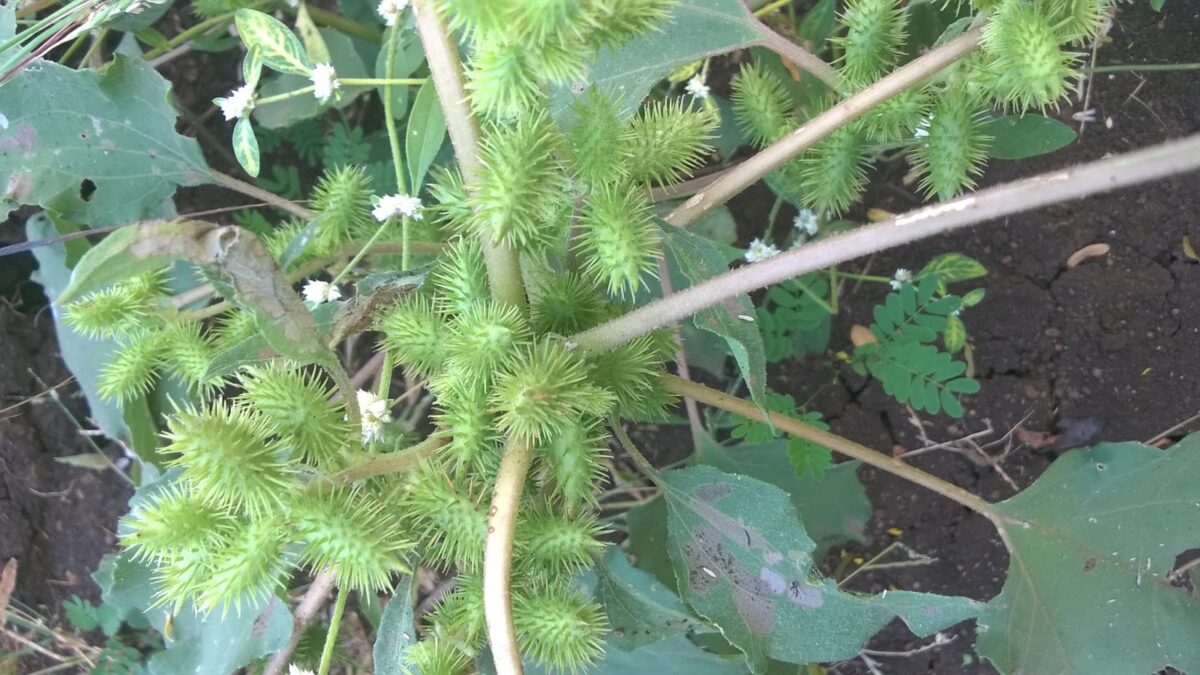
So here we have it, X is for Xanthium strumarium which belongs to the Asteraceae family. Locally its called Shankeshwar or Ghagra in Marathi and another common name is Common Cocklebur. Naturally it was the bright shiny spiny fruit that caught my eye and some closer inspection of its leaves, stem and fruit helped identify the herb after I reached home.
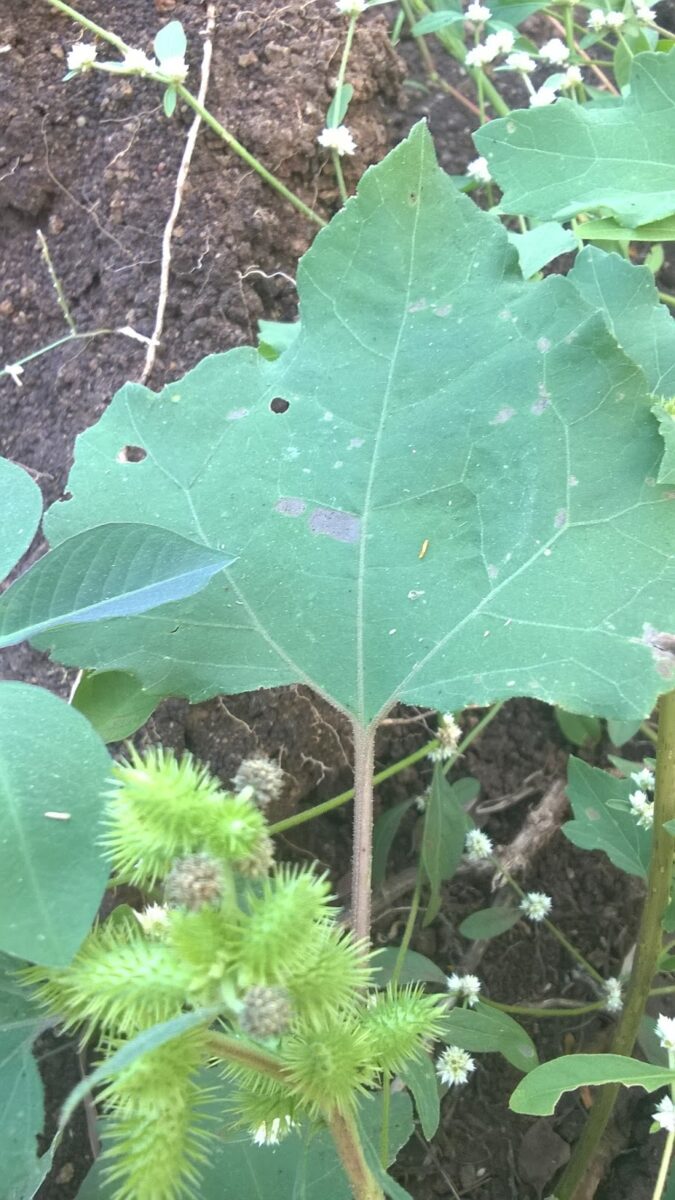
Ghagra is said to belong to Central America but it has now naturalised all around the world. The spiny fruit probably helps in seed dispersal by clinging on to animal fur. The herb has large lobed hairy leaves and the fruits are formed on the stem itself. The plant parts are said to have medicinal uses as well.
Have you any such childhood memories to share?
We are nearing the end of our blogging journey with another two days to go.
Hang in there friends!
🙂
 |
| Image courtesy Department of Posts |
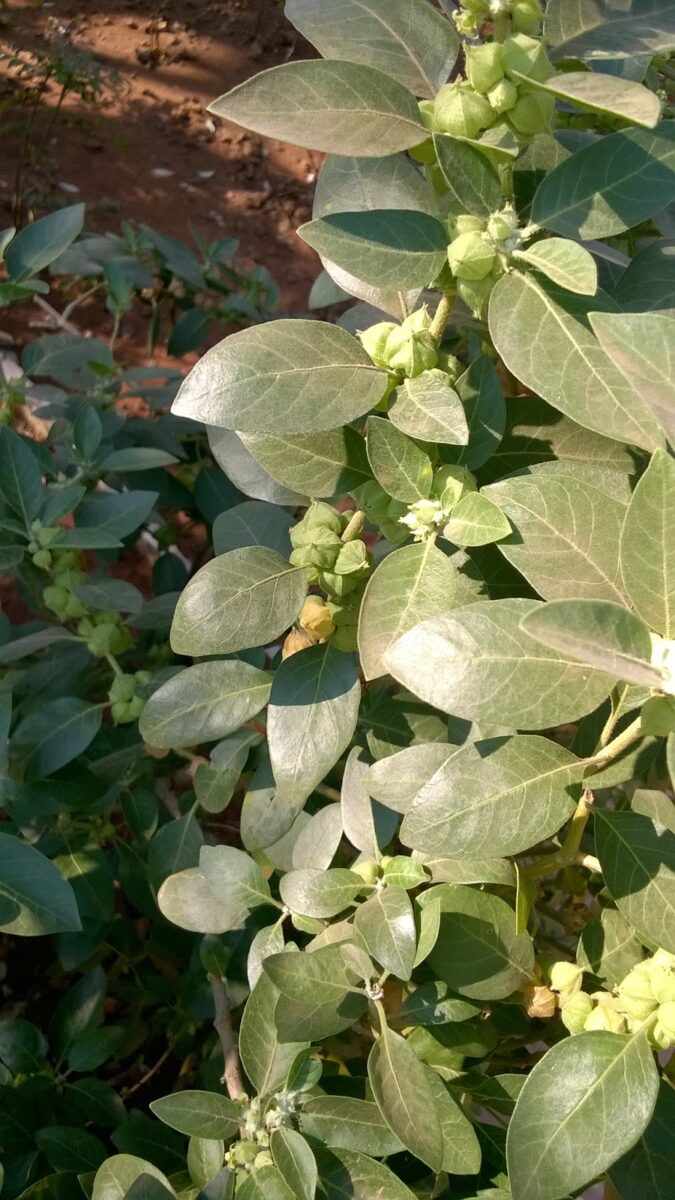
W is for Withania somnifera commonly called Aswagandha or Winter Cherry. It belongs to the Solanaceae family (Brinjal or Egg Plant also belongs to this family). Unlike most herbs that I have described so far, this plant can grow up to six feet tall and has hairy plant parts. The fruits are striking with as they are covered with the papery calyx. It is said that the berries can be used in making cheese to substitute rennet. Here is an image of the plant with fruit that I have seen at the Udan Biodiversity Park but my friends have seen it growing wild around the city as well.
Here is a study about the medicinal effects of Ashwagandha. Worth reading this but at your leisure…
We are almost at the end of our journey and I am sure its been a wonderful month!
Take care folks!
🙂
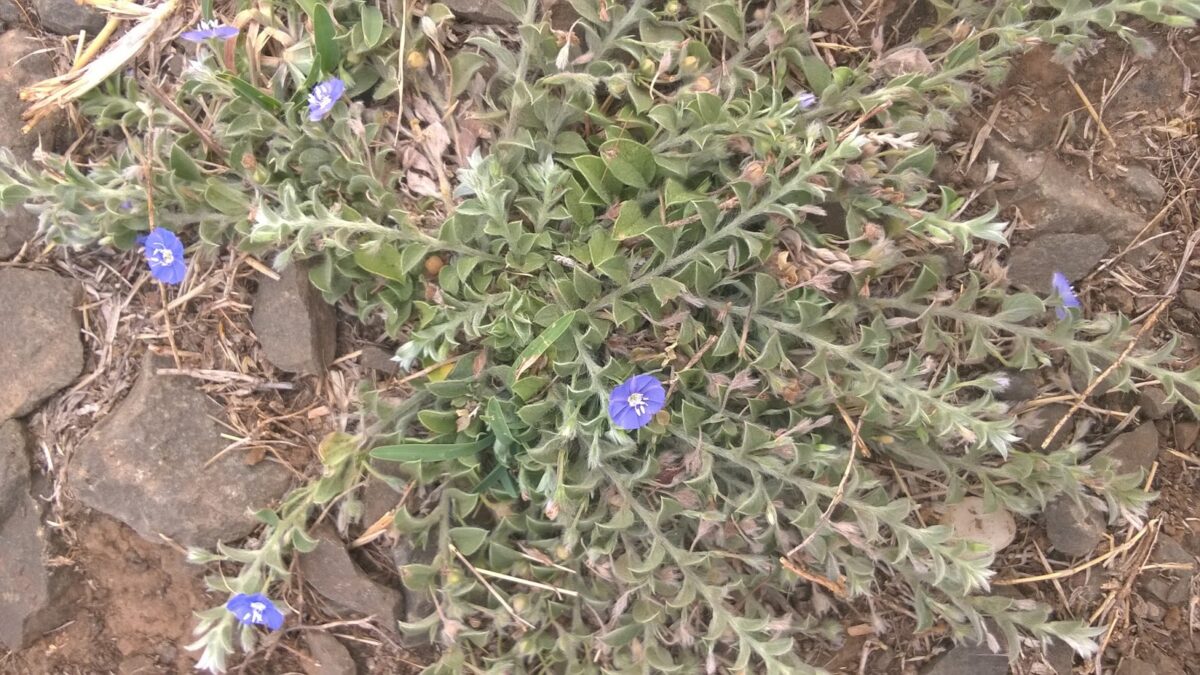
I have yet another medicinal herb for you tomorrow, I am sure many of you would have heard of it.
Till then, happy blogging!
🙂
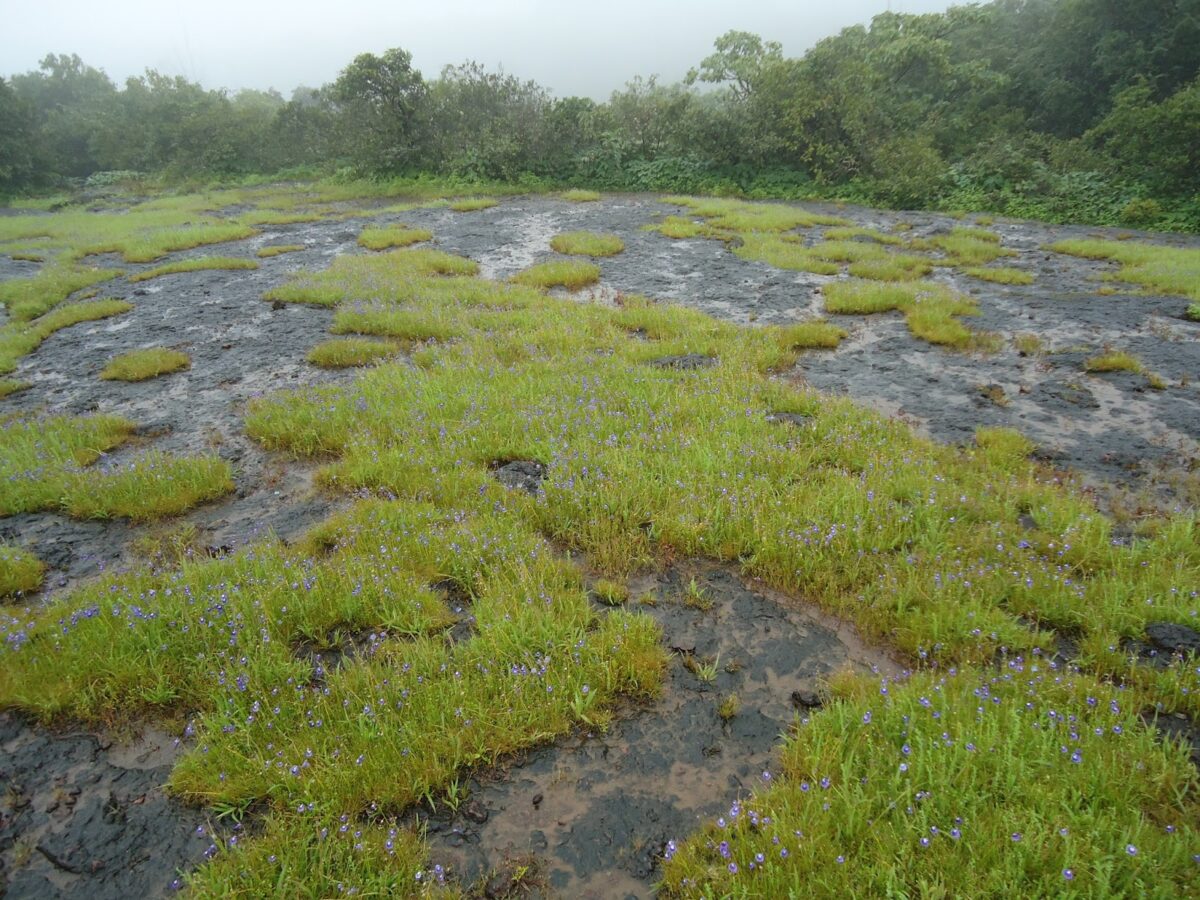
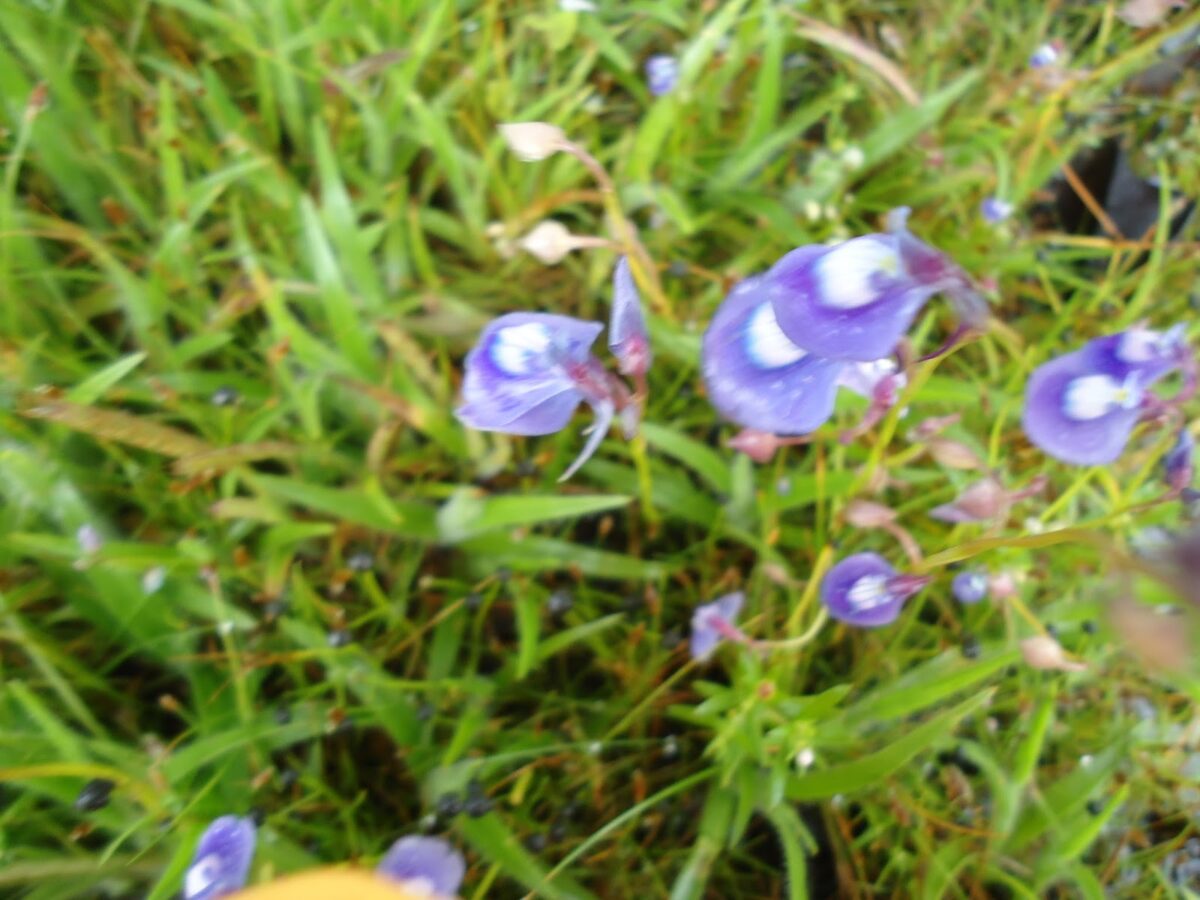
So here we have it, U is for Utricularia which belongs to the Lentibulariaceae family. There are several species in this genus and many are endemic to the plateaus in the Western Ghats. Here is a close up, but dear reader, please forgive my amateur photography skills. These plants were barely 10″tall when I saw them.
The Burmann’s Sundew (Drosera burmanii) is yet another stunning herb found at Kaas which is also carnivorous.
Have you seen any carnivorous plants? Have you seen them in ‘action’?
I have yet another interesting herb for you tomorrow.
Till then, Take Care!
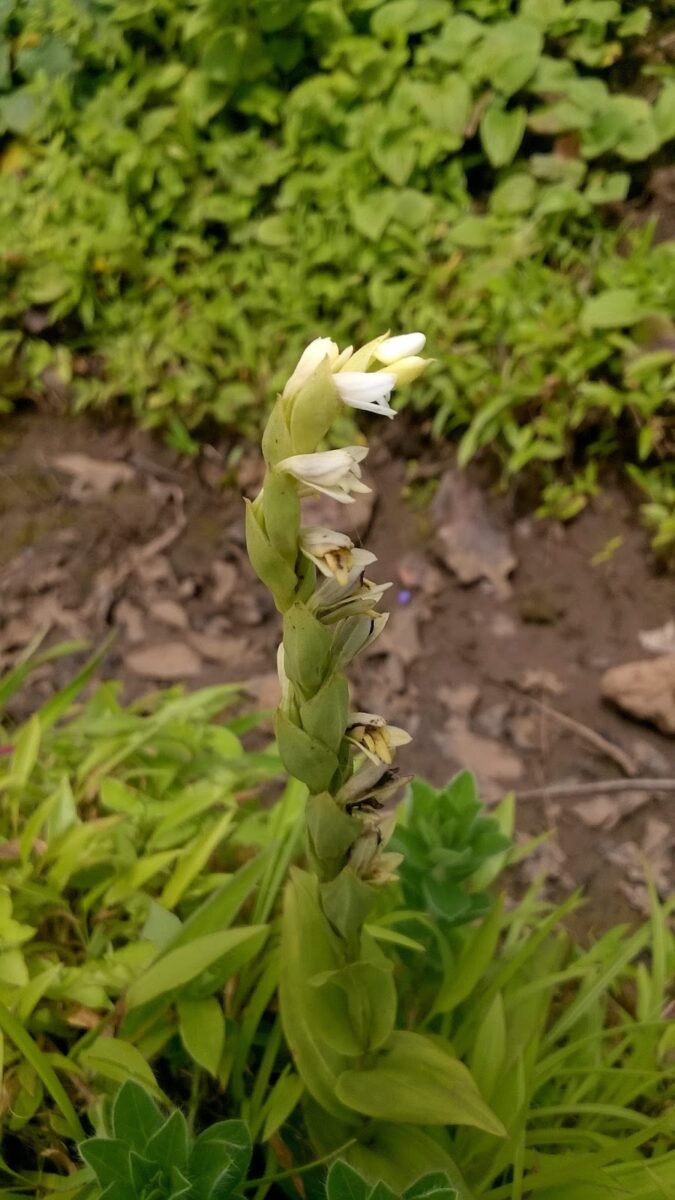
It goes by the botanical name Habenaria heyneana and belongs to the Orchidaceae family. The Flowers of India website showed me 37 plants of the Habenaria genus- that’s huge variety is it not?
Tomorrow is the fourth Sunday of April 2016 and then we enter the final stretch of our blogging challenge. Its been a wonderful journey so far, I am sure you agree.
Have a great weekend folks!
🙂
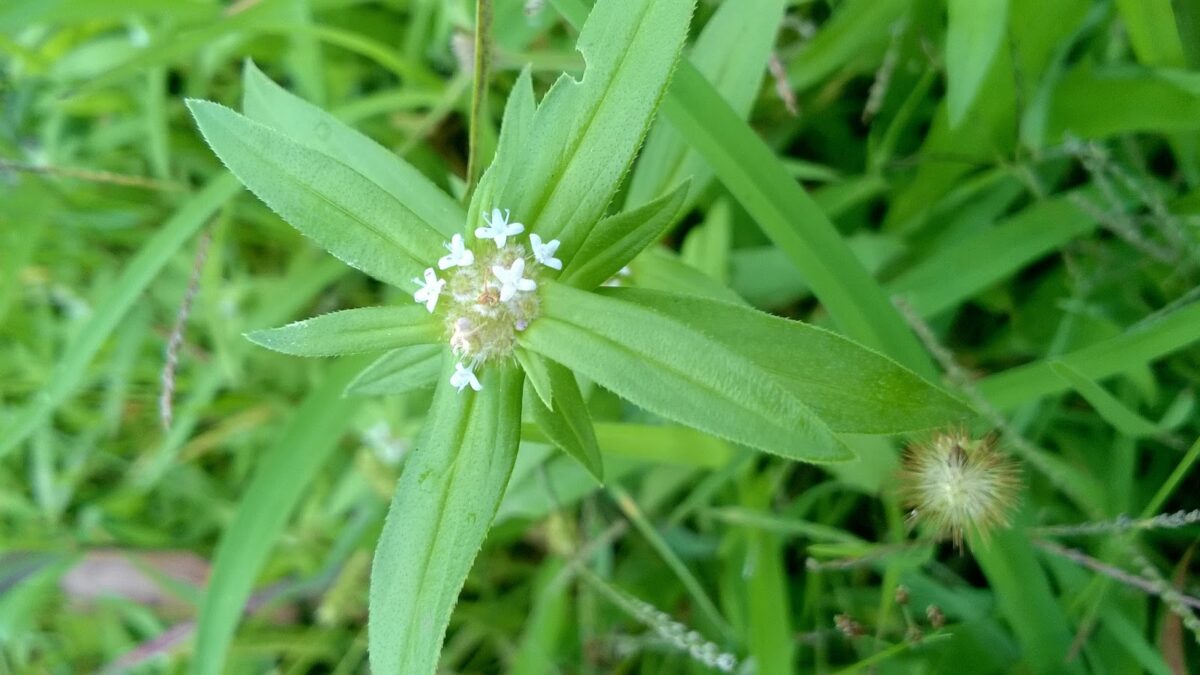
This Spermacoce pusilla commonly called Tiny False Buttonweed or Tarkadal in Marathi of the Rubiaceae family. It has a quandragular stem with tiny prickles. S pusilla belongs to the Rubiaceae family (Coffee family) and is native to India.
Sopubia delphinifolia is yet another pretty herb that is seen on Pune tekdis. Sesamum orientale has pretty pink trumpet shaped flowers and I have seen it blooming in the monsoon.
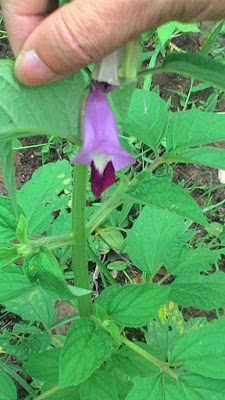 |
| Sesamum orientale |
Do come round tomorrow for yet another beautiful monsoon herb.
Happy blogging!
🙂