T for Trek


Welcome! 
We are with the 2018 April AtoZ Blogging challenge and its my fifth attempt. For those who missed it, here is the link to my Theme Reveal post. Do the alphabets still stand for the same things we learnt about in Nursery school? 

Its day twenty and the alphabet is T. 


T is for Train is passe. Trains take you to the foothills of the Himalayas which are popular sites for Trekking… For me, trekking is a recent activity, one that I have enjoyed tremendously. Initially I ventured for day long excursions but thereafter I gathered courage to take up longer treks. 

Since the alphabet is T let me take you on an e-trek to Tungnath. 


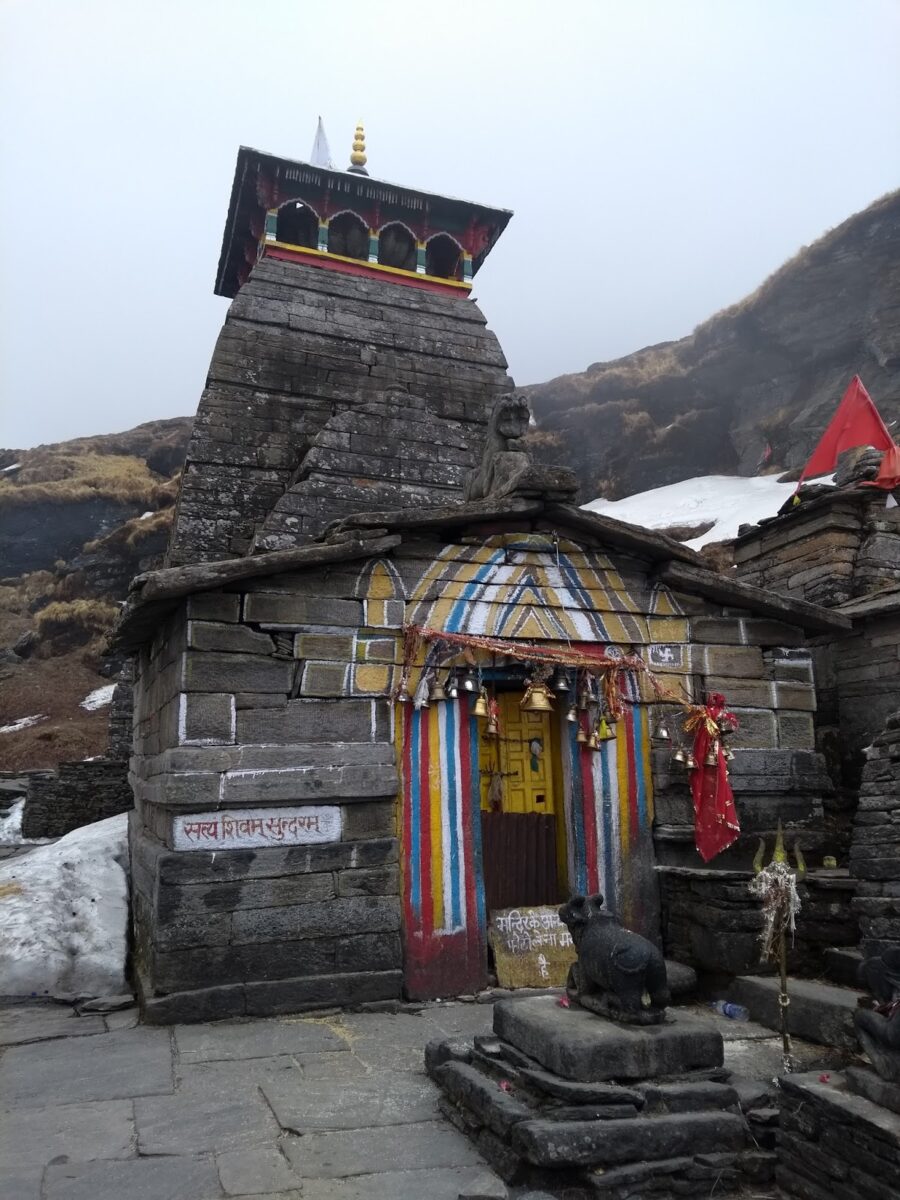
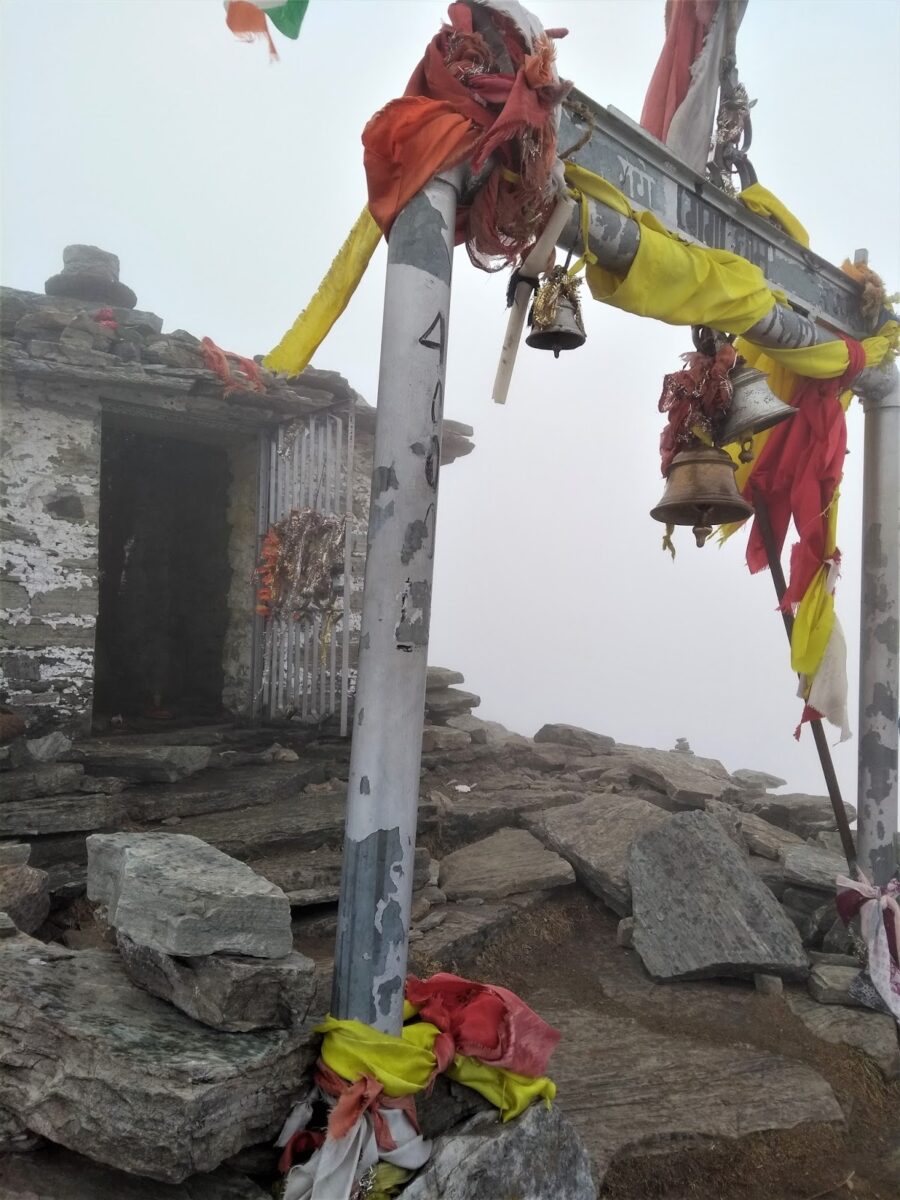
Located in India’s Uttarakhand state, Tungnath is the seat of the highest Shiva temple at a height of about 12000 ft AMSL (3680m). It is one of the Panch Kedar. The beautiful temple is about 1000 years old and can be reached by properly laid out path that begins from Chopta. The route is about 3kms long and meanders climbing steadily towards the peak. 


Chopta, Uttarakhand, Shiva temple
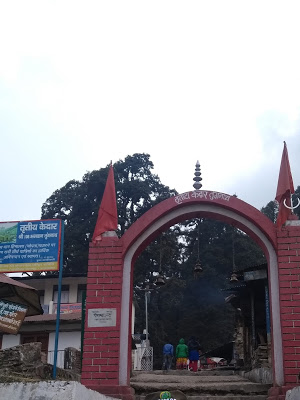
Arch way to the path 

Initially, the path is through the a forest of Rhododendrons. According to our guide, the colour of the flowers changes with elevation. Trees at a lower height bear bright red flowers, those of trees at a higher level are pink and trees that grow even higher bear white flowers. (I shall talk about flowers at another time!)


The pathway is fully cemented and broad enough for people to walk in both directions. However, if you do meet mules (which is quite often) it is a wise move to step aside and let them pass. Enroute there are a couple of shacks selling tea, some snacks and bottled water if one does happen to finish the one they carry.  


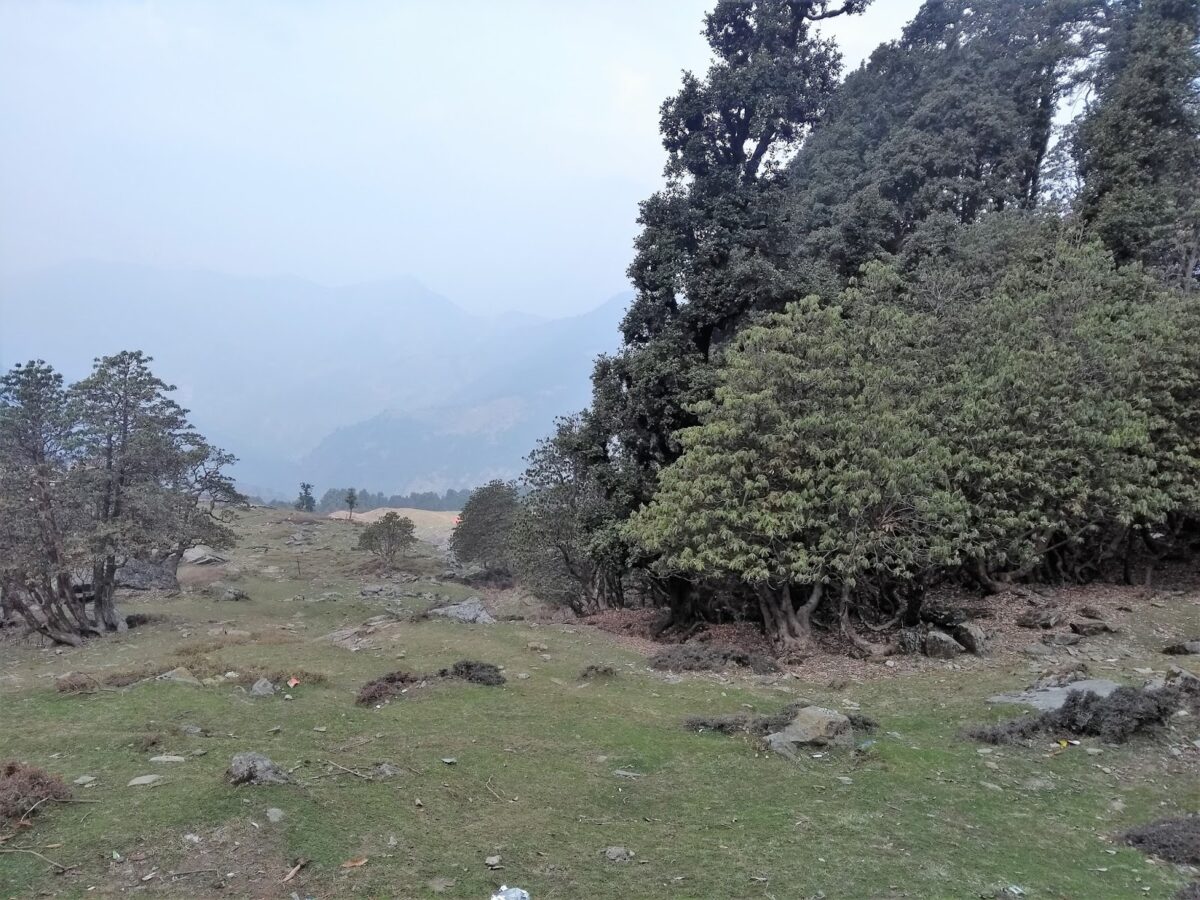
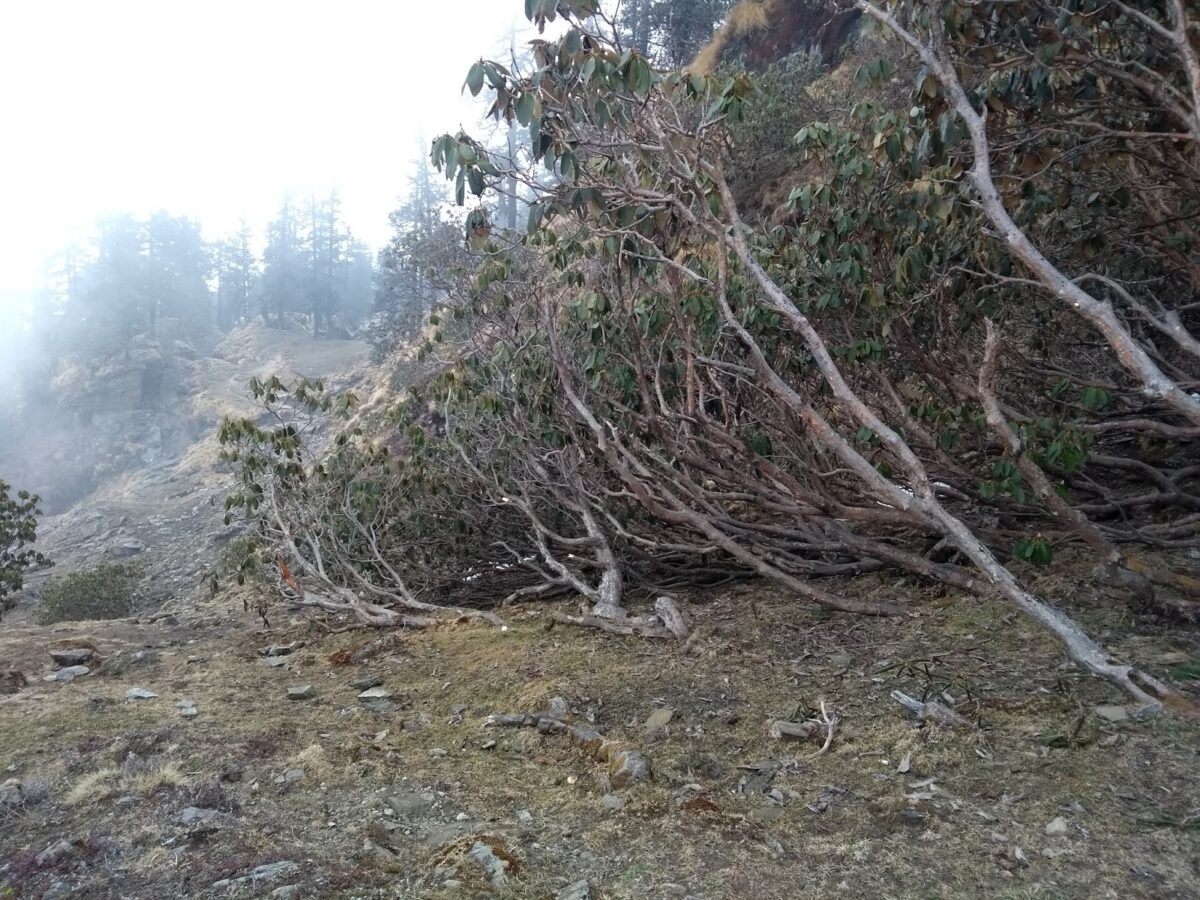
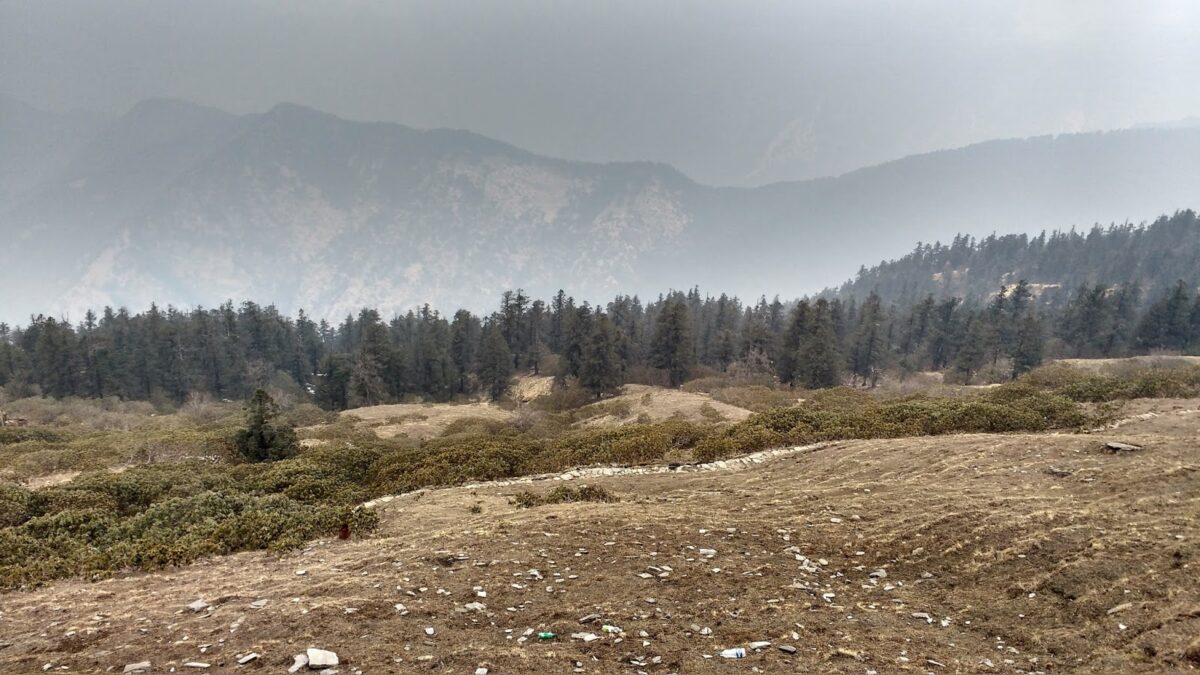
In the beginning, the surrounding mountains peep at you from behind or in between the trees but come into full view as we leave the tree line behind. We got a brief glimpse of the majestic snow clad peaks which took my breath away literally! The tall Rhododendrons make way way for shrubby trees which for some strange reason grow almost horizontally! As we moved higher, the tree line ends to make way for grassy slopes. 


Uttarakhand, Chopta, Trek
We had a faint view of the mountains at the start of our walk 
Tungnath,Chopta, Shiva temple
Sleeping trees!


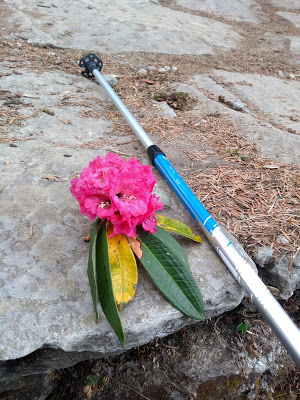
This mountain too remains snow bound in winters when the route remains officially closed. The temple is shut in winters as well. The Primulas had just about started flowering and their purple heads nodded with the breeze! The Rhododendrons were always just out of reach whenever I tried to pluck one. I got lucky when a I spied an undamaged inflorescence waiting to be picked up!


Rhododendron!

The changing flora helps take away the monotony of the climb and frequent photo stops also ensure I could catch my breath! Some of my co-trekkers were lucky enough to spot a Monal ! 

Leaving the tree line…

A sure sign to indicate end of the trail is the increasing number of tea shacks! Difficult as it was after the two hour non-stop climb, we ignored the inviting fragrance of masala chai and Maggi and forged ahead.. I find that the final few meters are always the most difficult but we did reach the temple in good time. 


Trekking, Trek, Chopta
The temple at Tungnath


Weather is unpredictable in the Himalayas and sure enough it began the deteriorate. Clouds had moved in. Visibility reduced and Chandrashila was calling. 


The temple was shut (our trek was at March end and the deity had been shifted to its winter seat) so we said a short thank you prayer from outside itself. We were carrying packed lunch so decided to proceed ahead. This is a tricky climb and we faced many slippery patches due to melting snow. Soon the path was engulfed by clouds and we could barely see up to 100m. The group was large and determined and the guides were motivating… 


Uttarakhand, Trekking, Himalayas
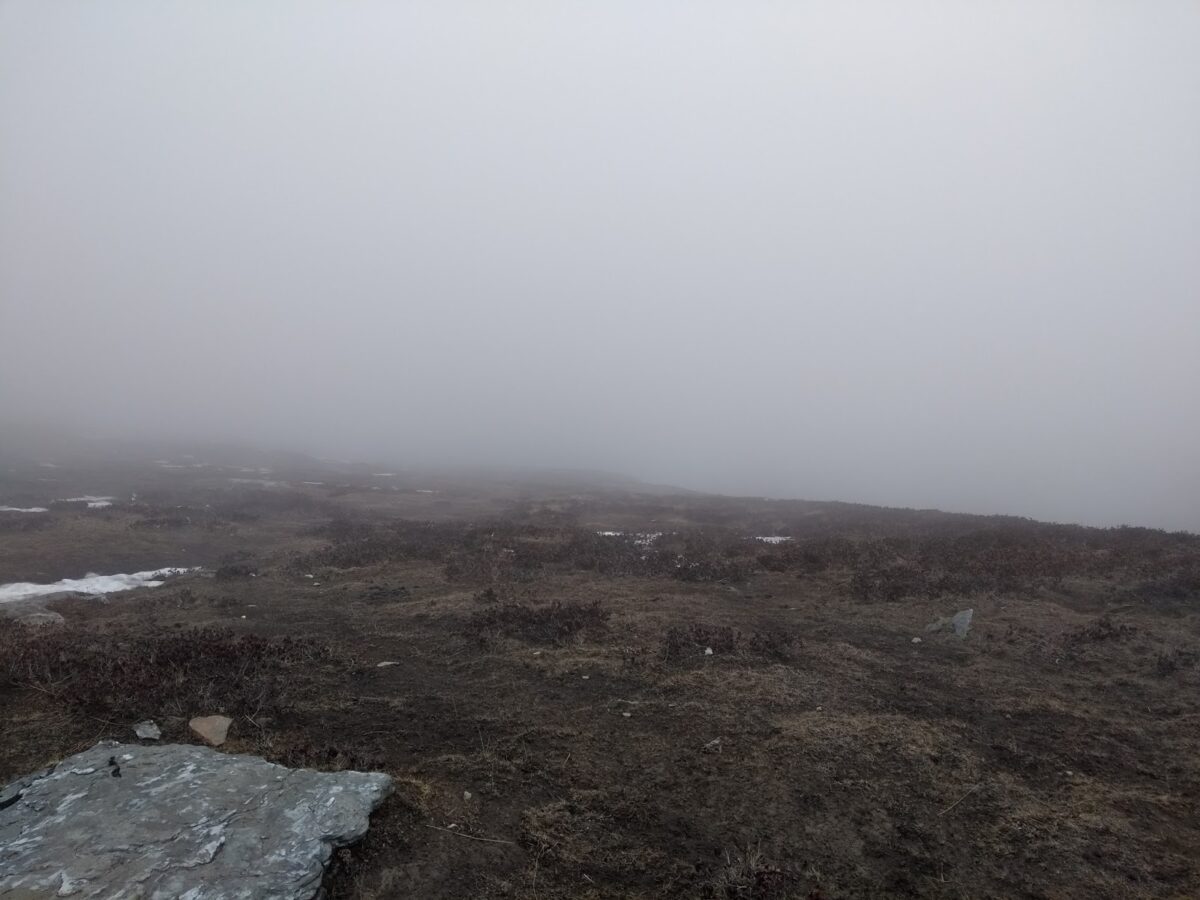
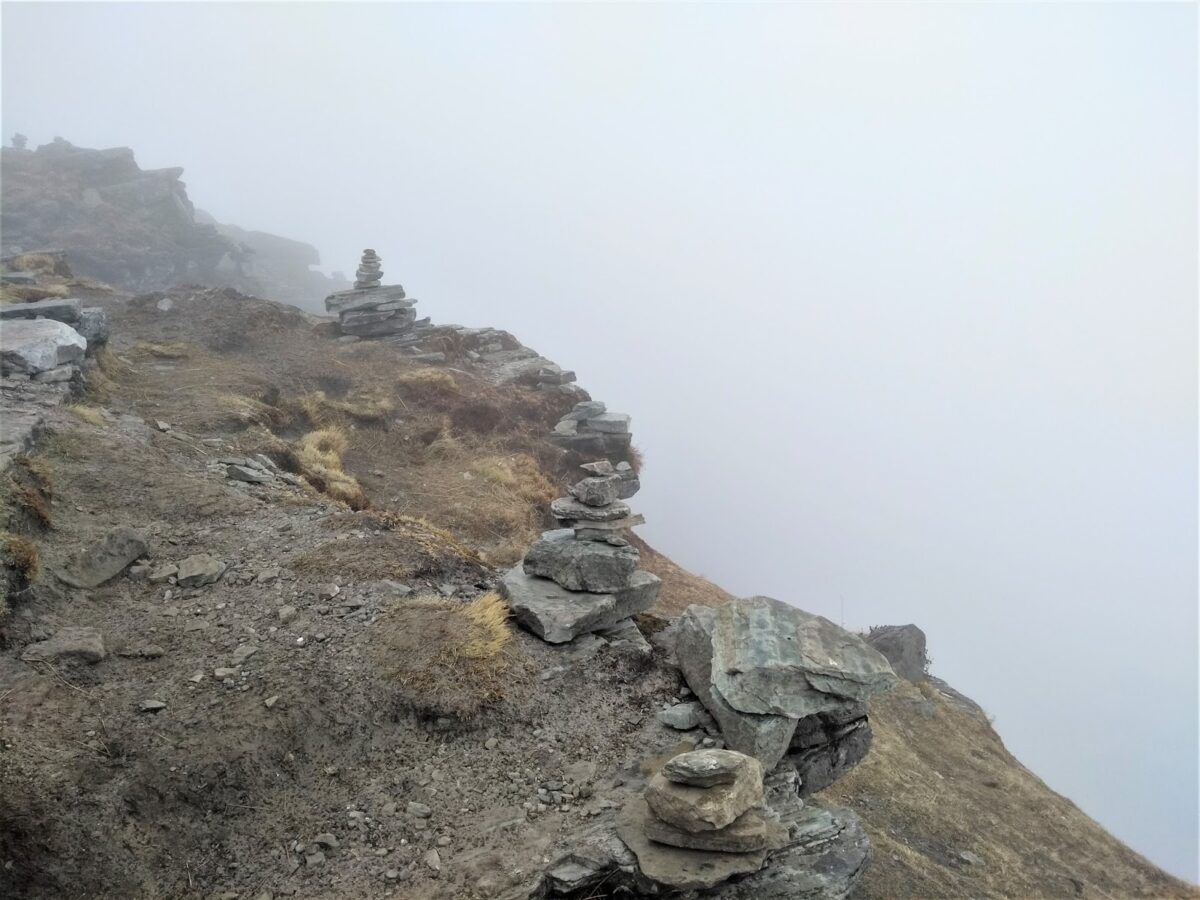
The clouds moved in and visibility dropped rapidly

We had zero hopes of the grand views that are the hall mark of Chandrashila but reaching there was our sole aim. One foot at a time, one behind the other, we made it to the top! 


Yay! 


Chandrashila is at an elevation of around 13000ft – a  hotly debated figure I believe. The peak has a small temple which would have had the most beautiful backdrop on clear day. By now, a gentle drizzle had begun and the droplets turned to snow flakes … We all donned rain gear and turned back without much ado. The thick fog ensured I could not see the deep valley and hence there was no fear while climbing down. 

Uttarakhand, Chopta
Temple at Chandrashila peak

No views

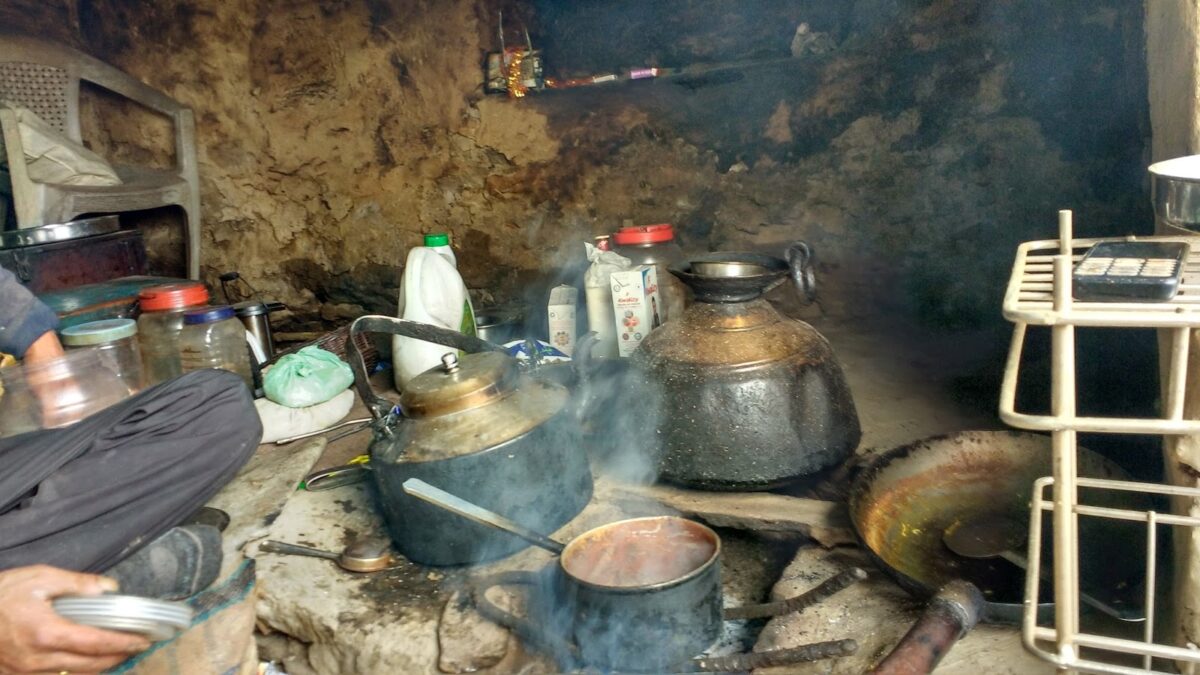
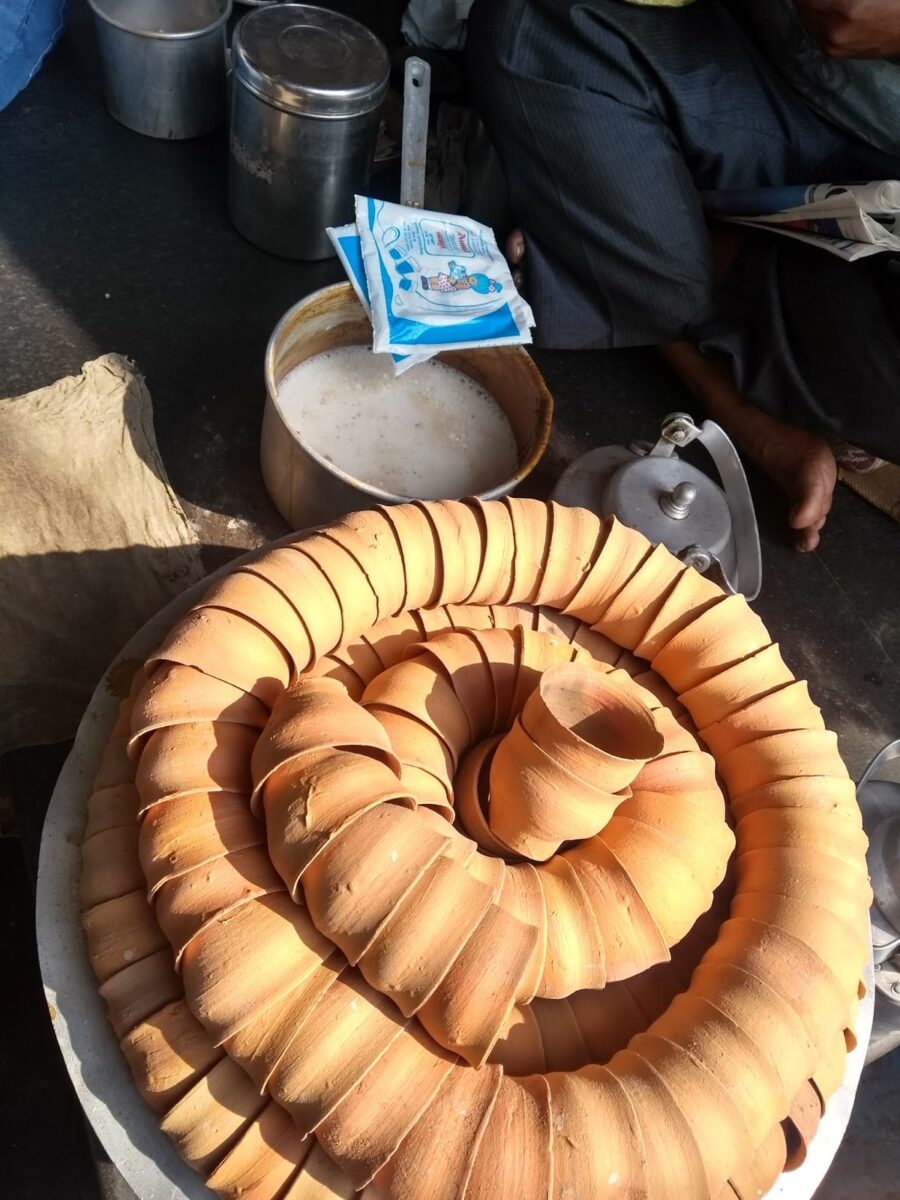
We made a short halt near the temple at Tungnath for tea and lunch. The descent would have to be fast as the clouds looked menacing. We made good time but had to take refuge in a wayside shack when it began raining in earnest. Steaming hot tea restored our spirits and we returned to base wet, cold and very happy!


Tea preparation

The climb, the experience was amazing in itself and we all returned safely, so the lack of views was just a tiny blemish if any. After all, I need a reason to revisit the region
😉


Its a good idea to begin early so as to avoid the heat. Its better if each one finds their own pace. Walking zig zag can also make the climb seem less tiring. Be prepared for rain and wind and carry sufficient water. Frequent sips is more helpful to prevent cramps. 


As they say, the mountains let you in , you do not climb the mountains! A trek every year is a fantastic way to stay healthy as we end up exercising regularly so as to be able to undertake this venture. 


Have you trekked the Himalayas? Do share your travel stories!

🙂
O for Oxygen

Welcome! 


We are with the 2018 April AtoZ Blogging challenge and its my fifth attempt. For those who missed it, here is the link to my Theme Reveal post. Do the alphabets still stand for the same things we learnt about in Nursery school? 


Its day fifteen and the alphabet is O.


While in the first associations for O were with Ox, Orange .. today, I first associate O with Oxygen. Naturally you may think I am referring to the ever growing menace of pollution and poor air quality. But maybe that is more of a case of increase in ‘bad’ gases …


So which oxygen am I referring to… ???


To get straight to the point, this post is about the oxygen or rather its depleting quantities at higher altitudes. Earlier it would have only affected mountaineers on expeditions to the high peaks but these days, more and more people choose to trek the mountains as a holiday of choice. This includes both young and those young at heart !! 


At elevations of over 10000 ft the effective amount of oxygen reduces. Some people get hit by what is called as Acute Mountain Sickness or HAPO which stands for High Altitude Pulmonary Oedema. It may begin with headache, fatigue, loss of appetite, feeling of uneasiness, vomitting and then worse. 


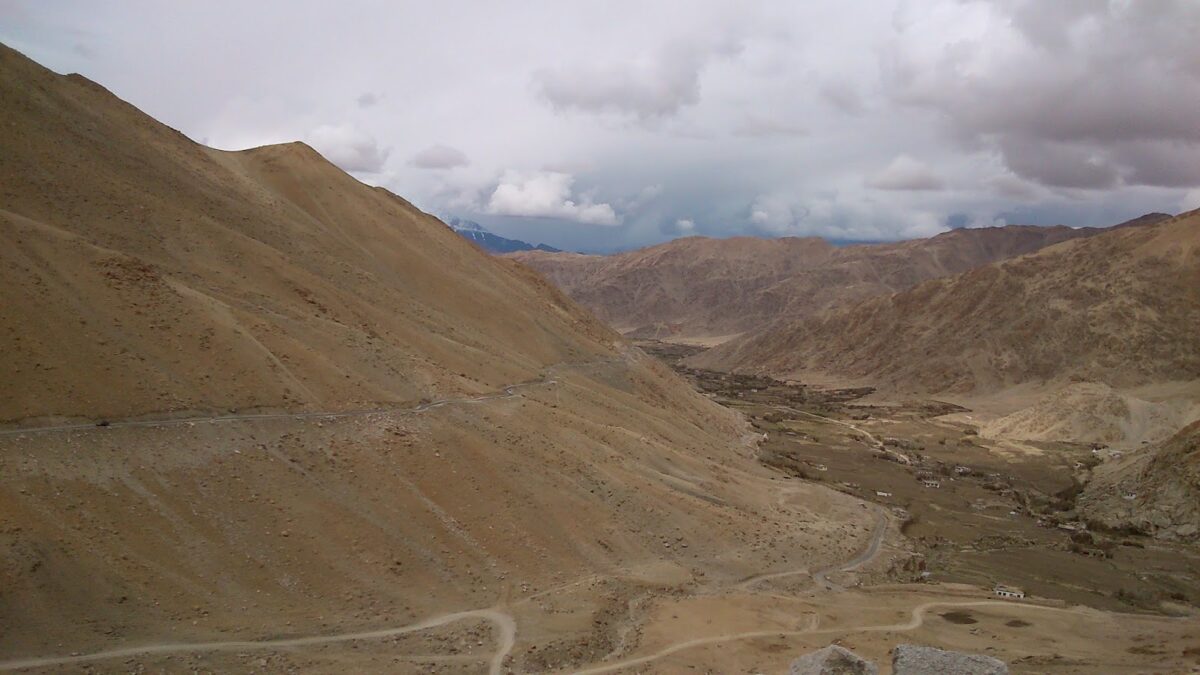
Ladakh 


These symptoms are NEVER to be ignored at high altitudes. The immediate treatment will be to be administered oxygen and then descend to a place at a lower elevation. Naturally, folk dont want to miss out on a holiday but its better than putting your life in danger. 


There is a complicated explanation for why HAPO occurs and I will not get into that.


Its not possible to totally avoid it but one can take some measures to reduce chances of its occurance. The first is to get properly acclimatised at the base camp or the first place of halt at 10000ft. One step is to take things slowly for atleast 24 hours, avoid unnecessary activity and that includes normal sightseeing. Factor in this extra time in your holiday plan. 


Many people take a course of tablets called Diamox starting one day prior to the journey till the day they return to 10000ft. There is a huge debate if this really works and I suggest reading this indepth article by IndiaHikes on this topic. Personally, I have taken Diamox on my two visits to regions of over 10000ft. 
Please consult your doctor before starting on Diamox. Self medication is not advisable. 


Besides medicines, one must take up a good cardio training program ahead of your travel/trek. Being physically fit is a big plus. 

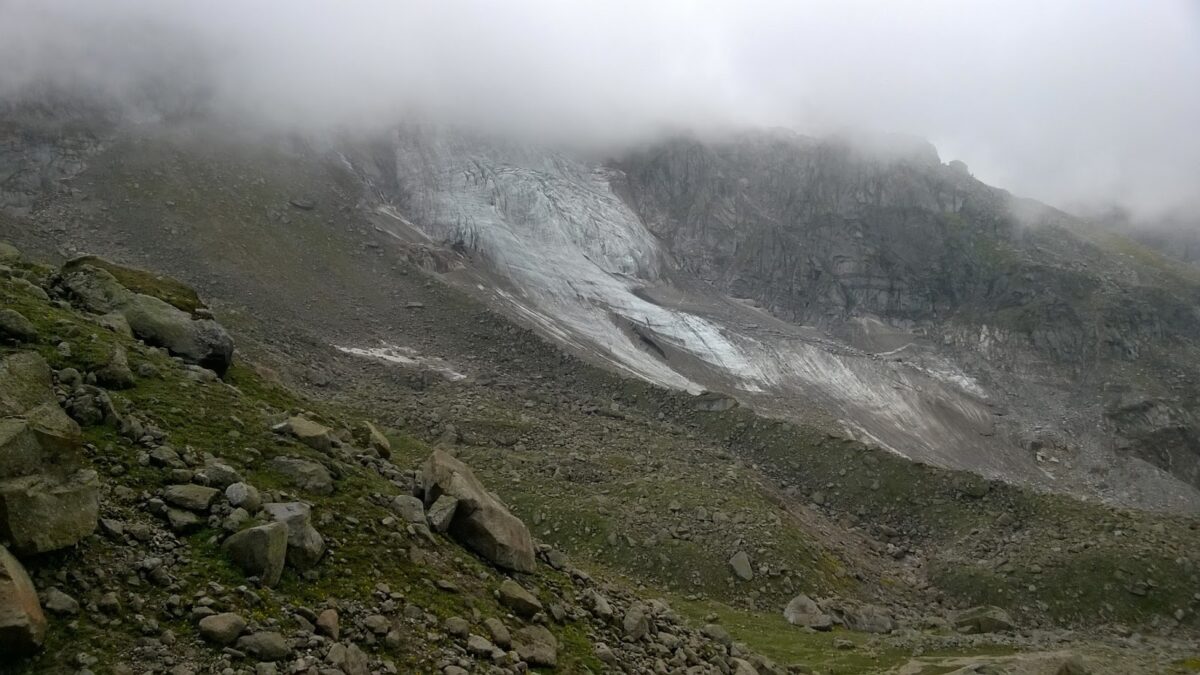
Trekking at about 14000ft

Here is another important article again from IndiaHikes about how the author has recognised and dealt with impending HAPO.  


Have you travelled to high altitude locations? Did you face any health issues due to reduced oxygen? 


This post is not meant to put anyone off such destinations. A little care and training before travel will surely give you a beautiful enjoyable stress-free holiday!

M for Magnet

Welcome! 


We are with the 2018 April AtoZ Blogging challenge and its my fifth attempt. For those who missed it, here is the link to my Theme Reveal post. Do the alphabets still stand for the same things we learnt about in Nursery school? 


Its day thirteen and the alphabet is M.


As far as I remember, we were taught that M was for Monkey. I have had my encounters with this species when we stayed in Tezpur but I shall save that for another day. Currently, the most relevant M word is Magnet. Specifically Fridge Magnet. 


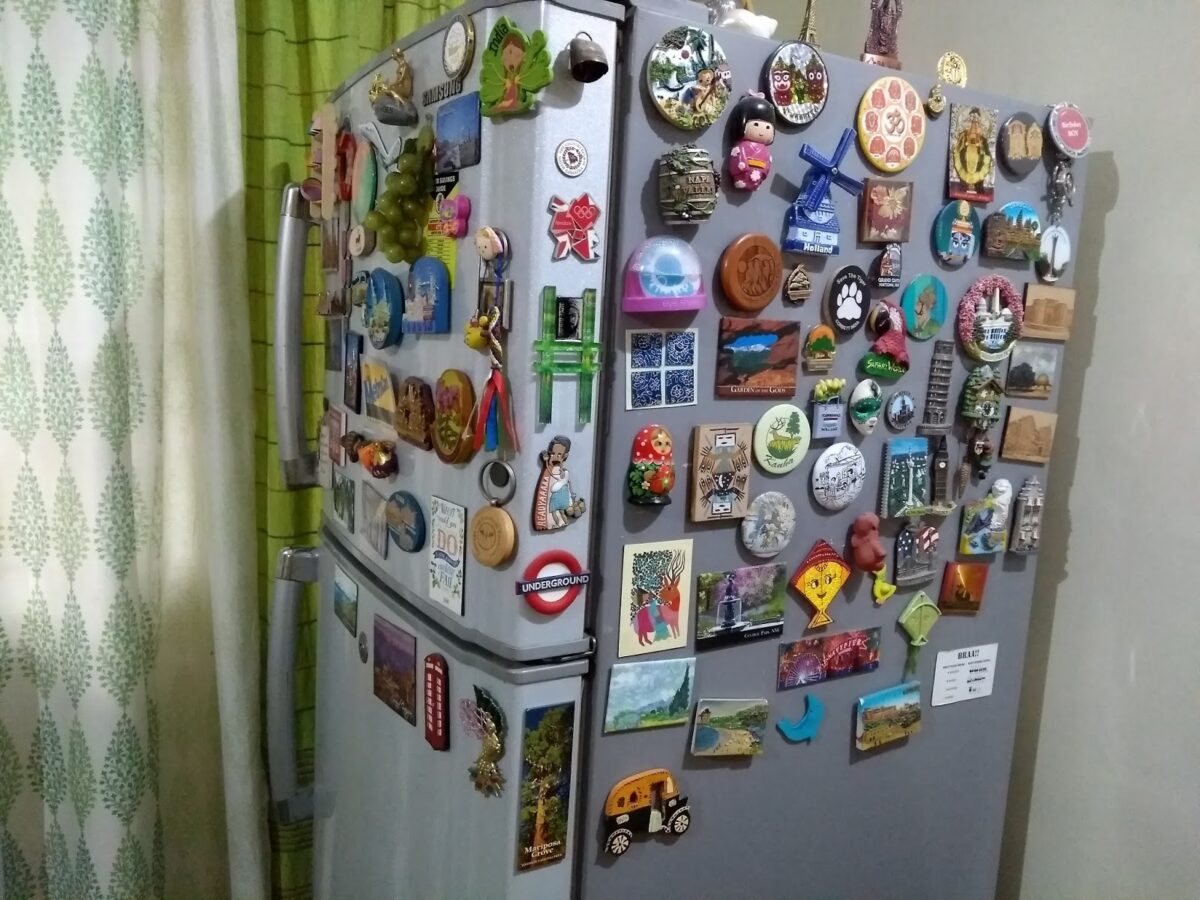
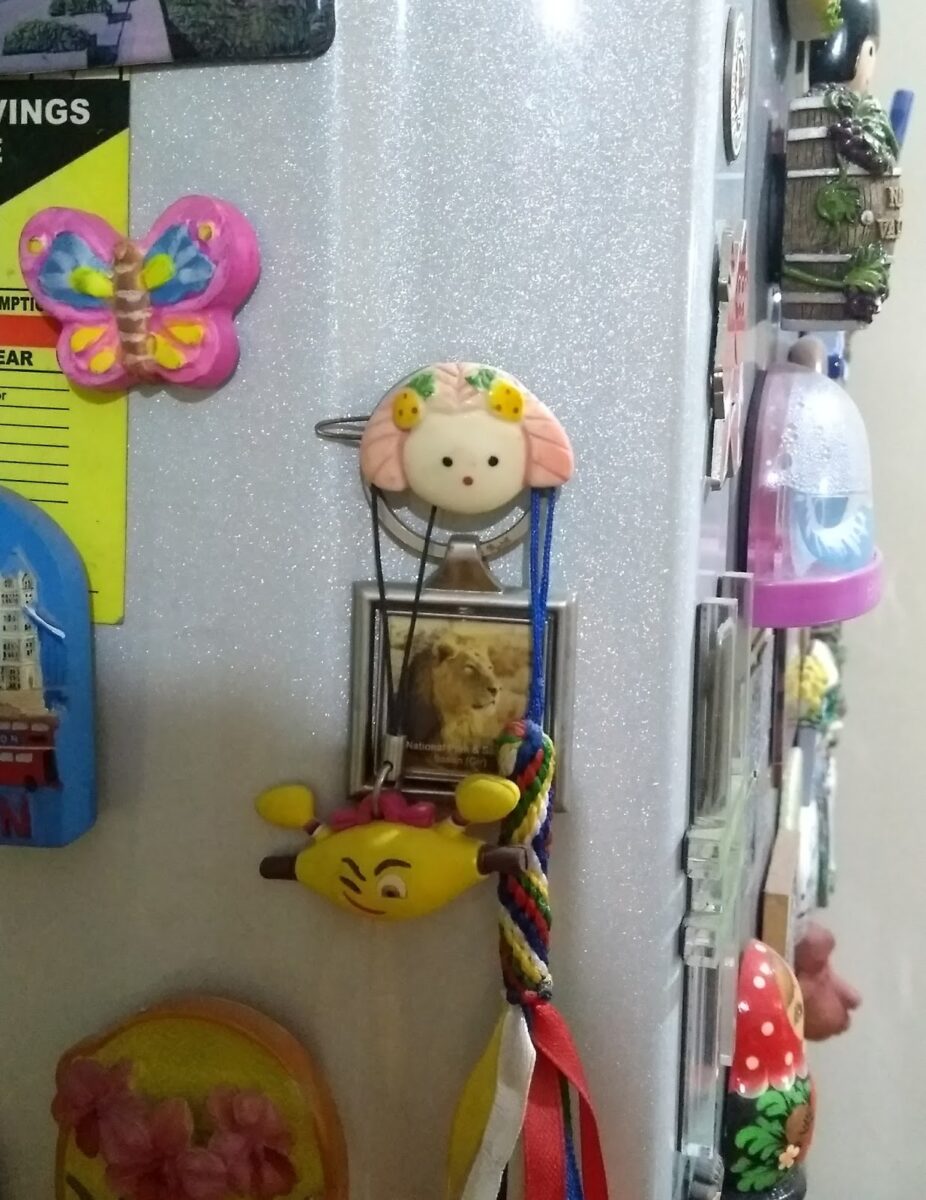
Over the years, I had seen a few of them stuck on fridge doors but what really got me hooked (or should I say attracted?) is the sight of my friend’s double door refrigerator which was totally covered with magnets. Of all shapes, sizes and colours. A wonderful collection of places they had visited. 


That’s when I too began to specifically look for fridge magnets. Secretly maybe I wanted to match my collection with hers but I know I have a long long way to go. I have purchased some great magnets but some spots have absolutely nothing. In that case, I end up making my own. 


These magnets are perfect mementos – easy on the pocket, easy to carry and daily reminders of a wonderful holiday. Not to mention being the envy of all visitors to our home 😉


Magnet collectors are called memomagnetist – something I learnt from a magazine cut out sent to me. 

Here is my collection. A few friends have said I need a new fridge to accomodate these! I think there is plenty more space…


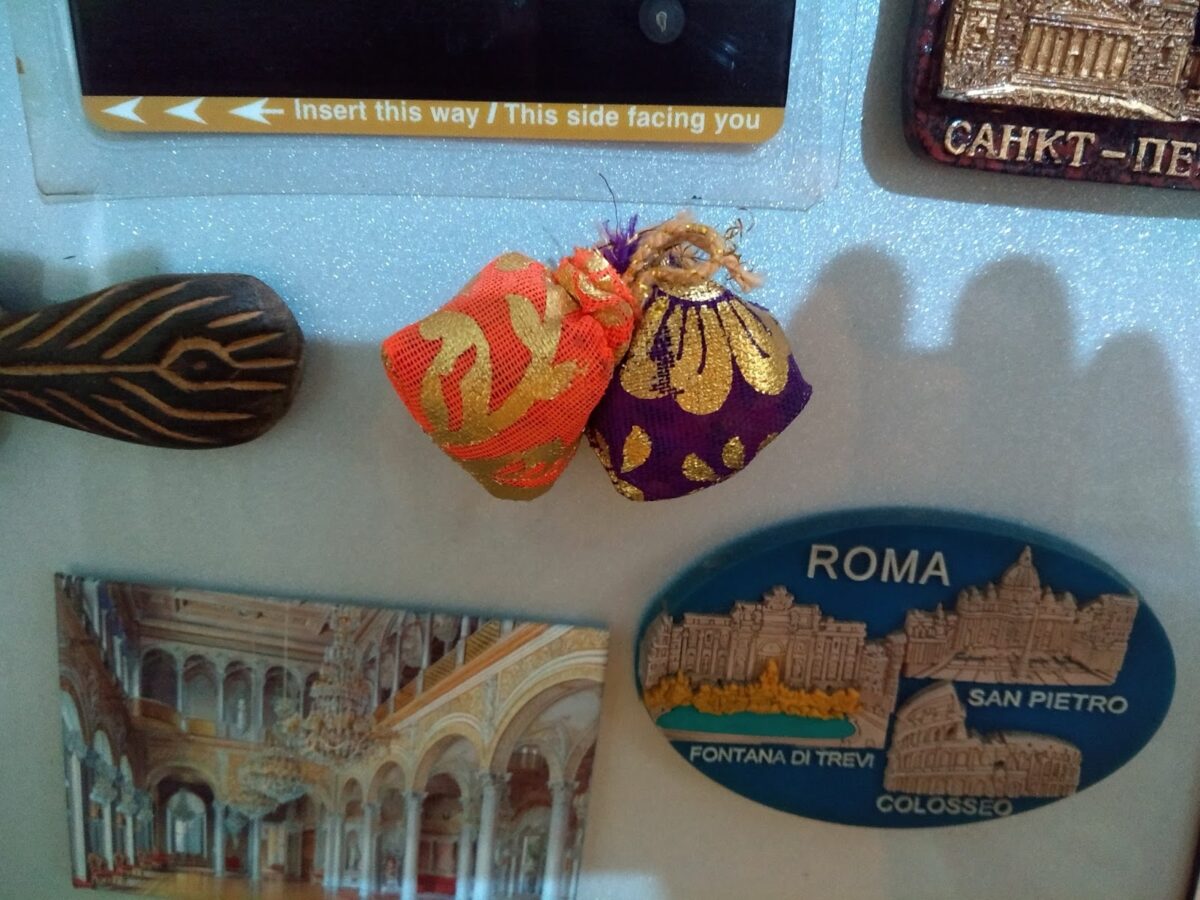
Here are a couple of magnets that I have made. 

A magnet that I have made for a significant occasion in our life
Yet another one I engineered….

I have heard that magnets cannot be stuck on modern refrigerators – especially the side surface. Some of my friends have ended up making a metal frame to stick their magnets. I guess I will cross that bridge when I reach there… 


So what kind of mementos do you collect on your travels? Do magnets figure in your shopping list? 


We are almost half way through the blogging challenge and at the end of week two. I hope fatigue is not setting in …


See you with my next post with the alphabet N.
Cheers! 

L for Lion


Welcome! 


We are with the 2018 April AtoZ Blogging challenge and its my fifth attempt. For those who missed it, here is the link to my Theme Reveal post. Do the alphabets still stand for the same things we learnt about in Nursery school? 

Its day twelve and the alphabet is L.


Today I will go with the traditional, age old teaching of L for Lion. 


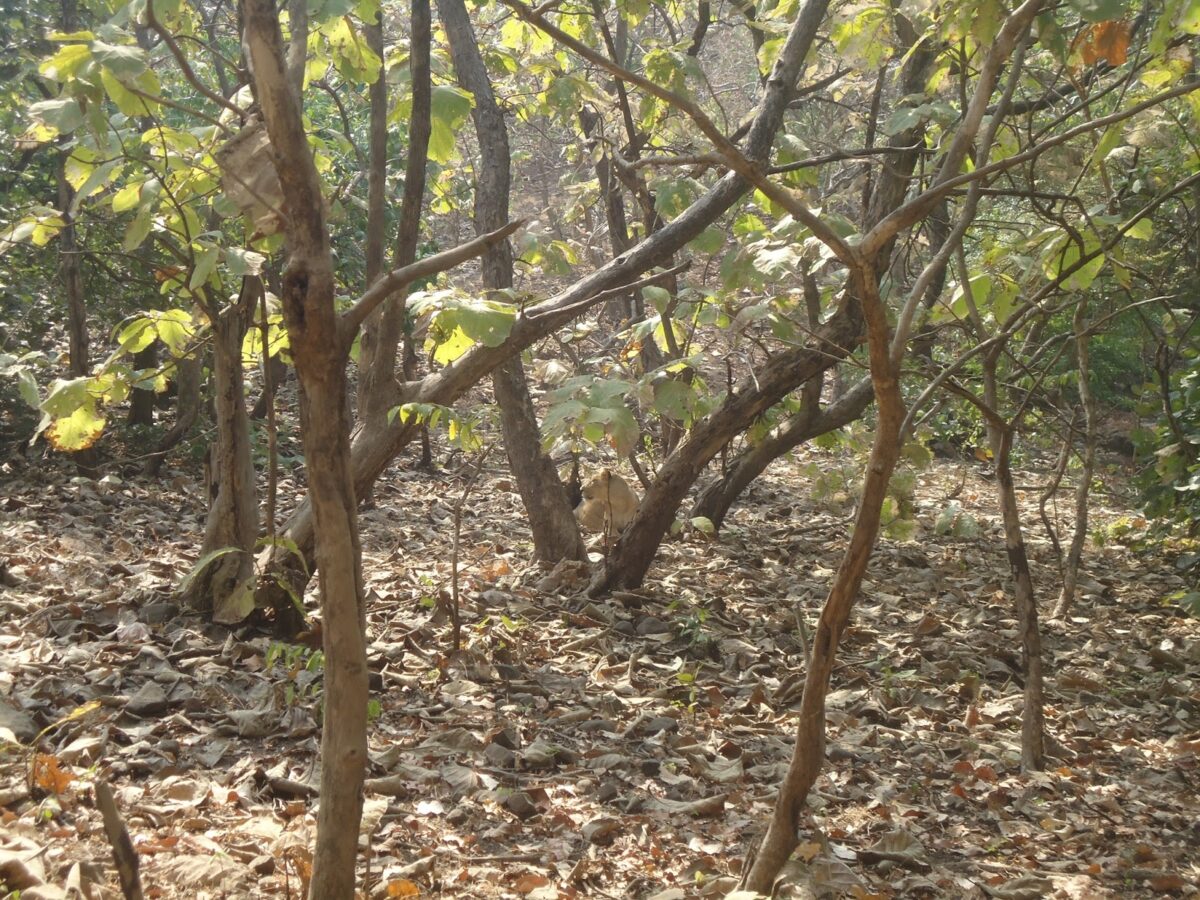
The Asiatic Lion whose sole home presently is the Gir National Park in the state of Gujarat in India. According to the 2015 census mentioned on the website, there were 523 lions which was said to be a comfortable figure. 

Spot the lioness sitting behind the trees in the distance


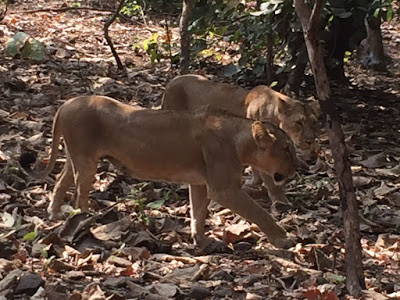
We were lucky to see this pair walk right past our vehicle. To tell the truth, I was a little scared too!

And here is video of the same pair 


Panthera leo persica (which is their scientific name) is smaller than the African lion and has a longitudinal fold of skin along stomach. Further, ears of the male lions in Gir are visible as they have a less thick mane compared to their cousins from Africa! Here is wonderful National Geographic article about lions. 


They face threats as their habitat is slowly breaking up (as jungles are cut off) and poachers. Several efforts are on to help protect this great animal! 


Have you visited Gir? Have you seen the Asiatic lions? 


The next alphabet is M and and Is M still for Monkey? I think not… Hope to see you again tomorrow. 
🙂

K for King

Welcome! 
We are with the 2018 April AtoZ Blogging challenge and its my fifth attempt. For those who missed it, here is the link to my Theme Reveal post. Do the alphabets still stand for the same things we learnt about in Nursery school? 


Its day eleven and the alphabet is K.


K is for King. As in the guy who wears a crown and sits on a throne.


Can something else also be called a King? The Lion is said to be the King of the jungle. Recently I had posted a Ficus Bonsai that was displayed in full royal style.


Today I have yet another candidate for the post of King.


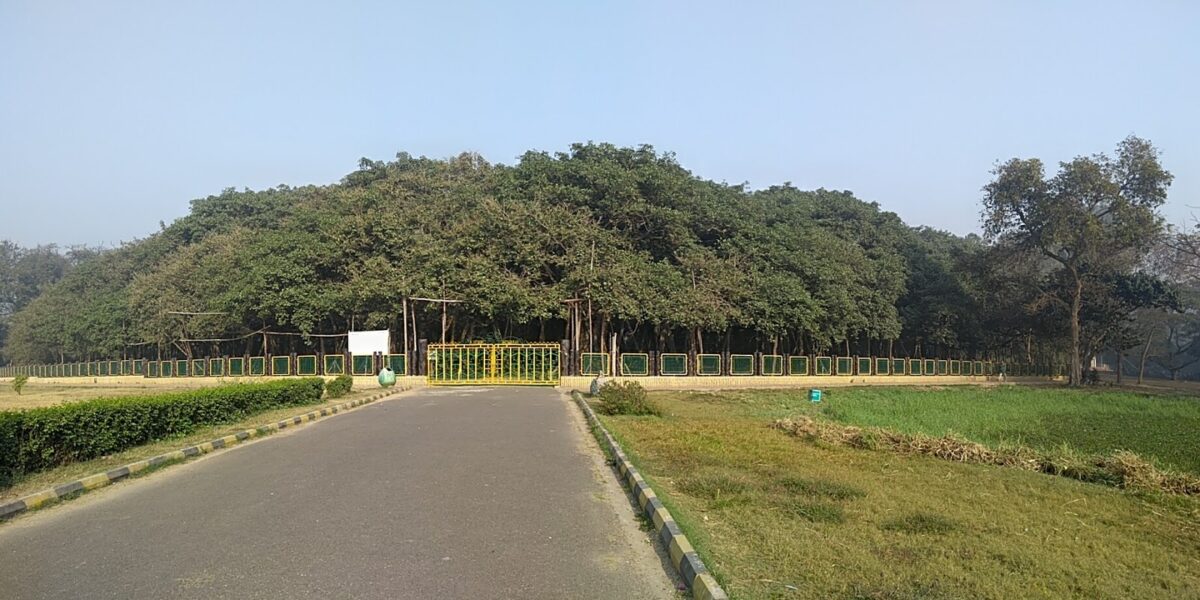
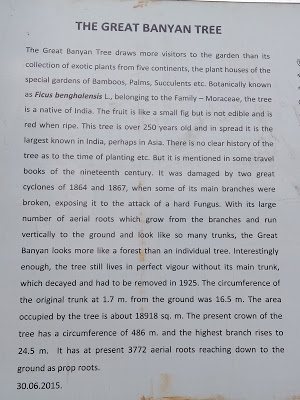
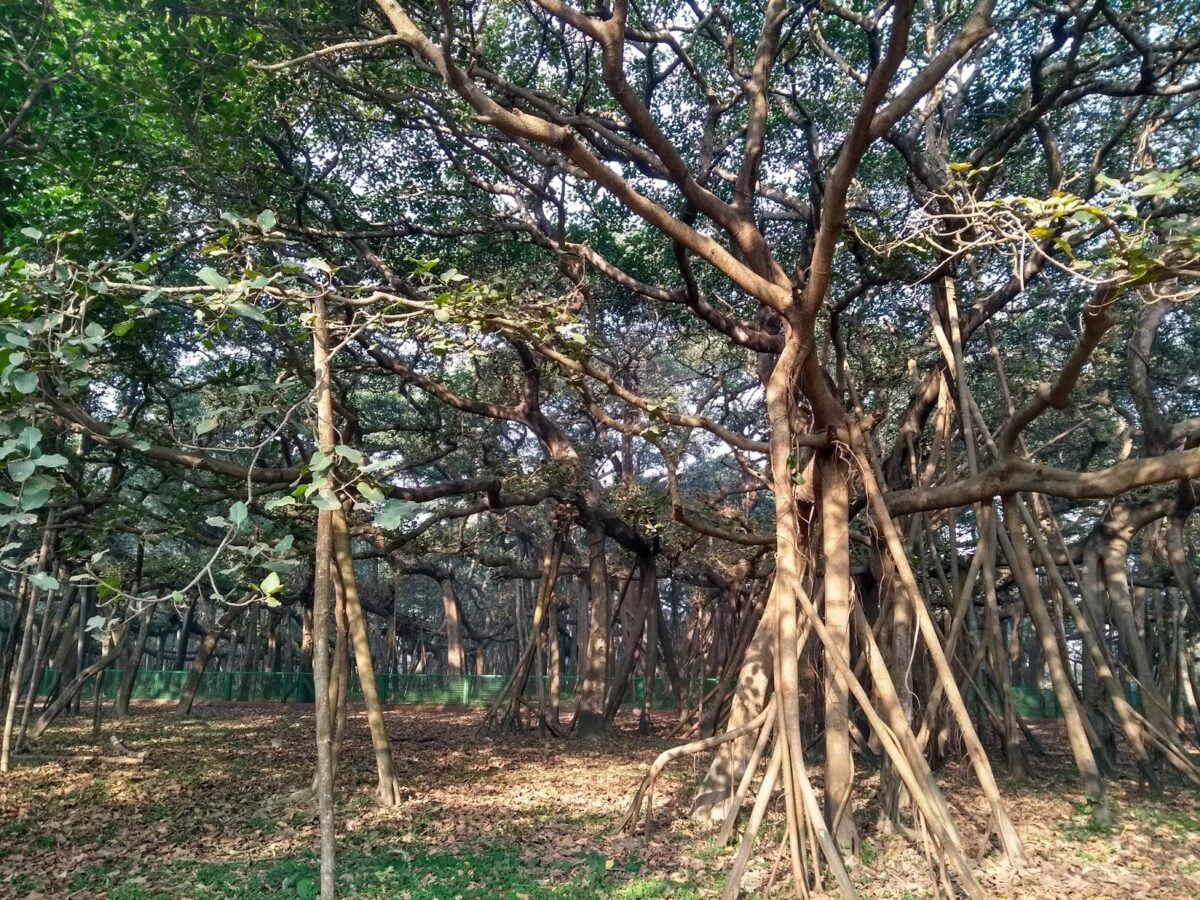
Its a 250 year old Ficus tree that is growing at the Acharya Jagdish Chandra Bose Indian Botanic Garden in Kolkata. The 1786-founded garden has a vast collection of lovely old trees. The main attraction is the Great Banyan (Ficus benghalensis) that is supported by  thousands of roots and is spread over five acres. Despite its loss of the main trunk in 1925, the Banyan is still ‘growing’ . The authorities have had to increase the protective perimeter built around it as the tree ‘walked’ eastwards!


Here are some images of The Great Banyan.


It stands on thousands of supporting roots

This video will give take you straight to this great tree.. 

I am sure you will agree that this candidate is highly suitable for being called the King!
🙂
H for Horse


Welcome! 
We are with the 2018 April AtoZ Blogging challenge and its my fifth attempt. For those who missed it, here is the link to my Theme Reveal post. Do the alphabets still stand for the same things we learnt about in Nursery school? 

Its day eight and the alphabet is H.


H is for Horse. 


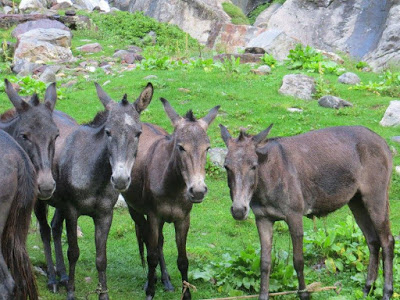
These days, the only horses we see in Pune are the ones at Parks that take kids on joy rides. Or the pedigreed ones that are raced at the Race Course. I am going to take a liberty and extend the word Horse to Khacchar or Mule.


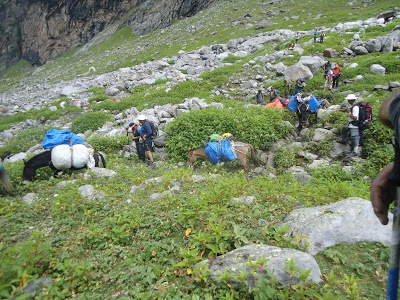
A Mule is the offspring of a male donkey and female horse (wisdom from Wikipedia). I have never really given much thought to this animal till I went on the Hampta Pass trek. On that trip, the mules were the most important part of our support team as they carried all our bags, tents and other logistical materials. 

The unsung heros


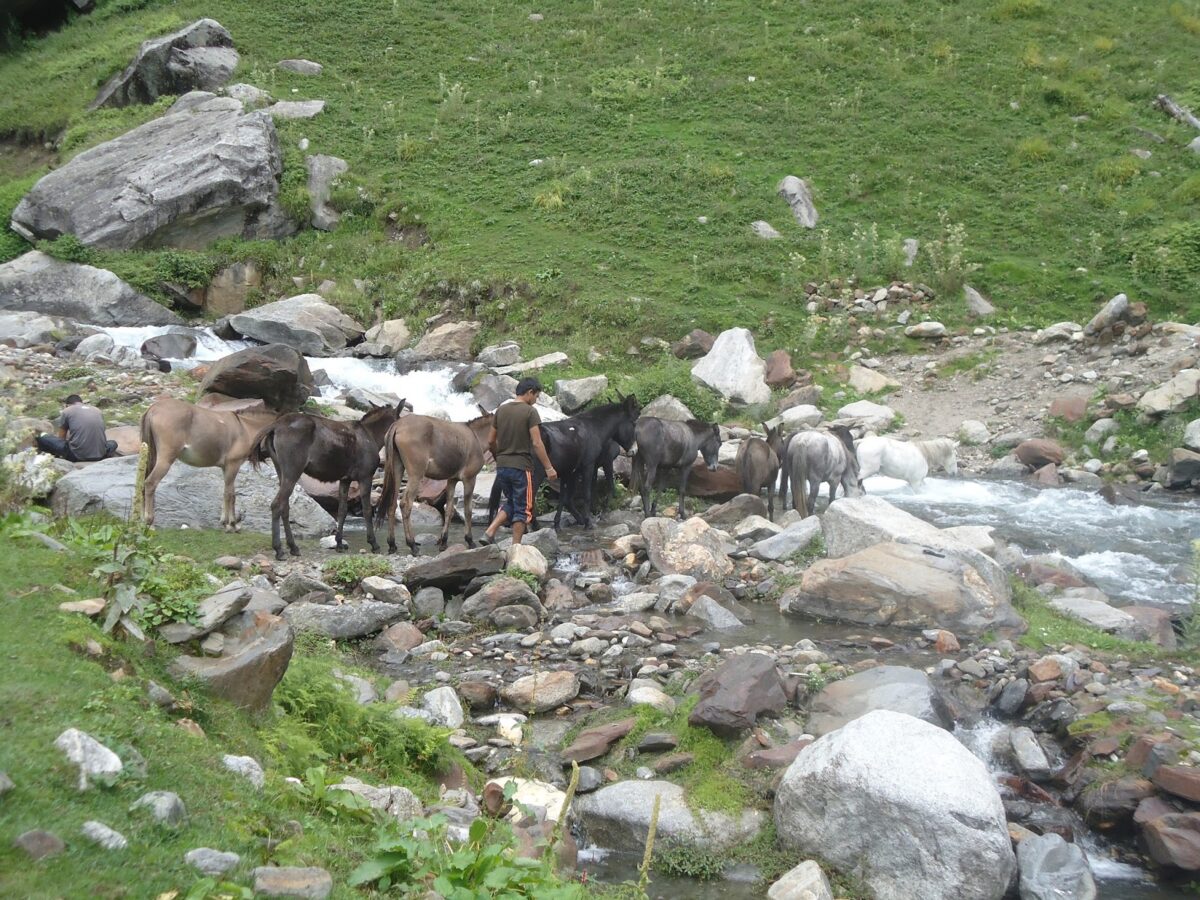
In fact, our trek was amazing because of these silent mules that plodded along never protesting. Here are some images with my thoughts …

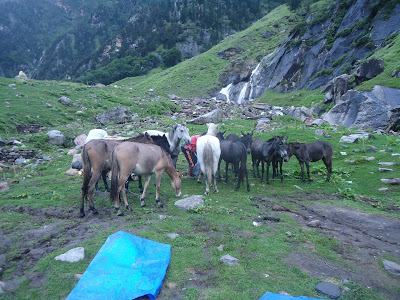
Every morning, the mules were assembled and then sacks loaded up for the journey

The mules always started after us and easily overtook us every single day. They could easily and quickly navigate the moraine unlike us two-legged creatures!

At the end of the day, they were left free at the campsite. 
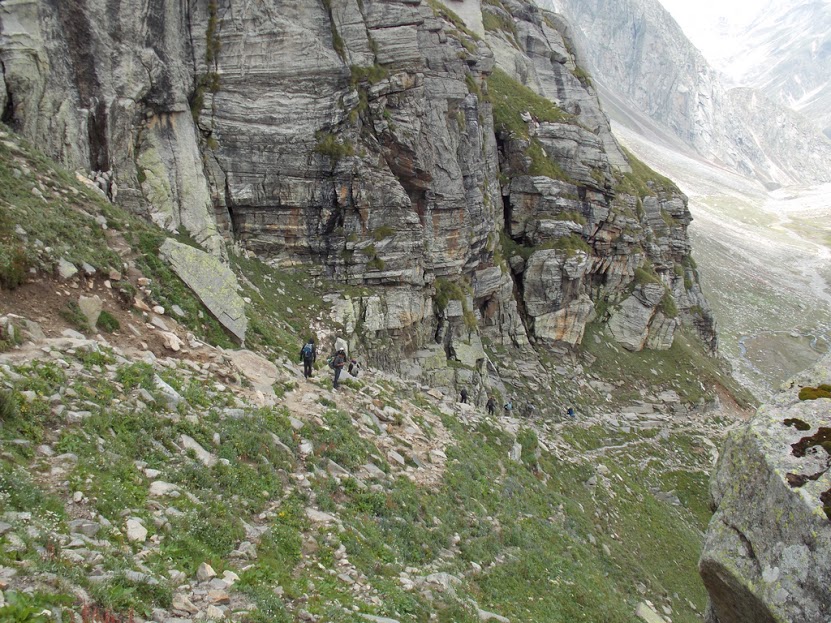
This glorious looking place was a very challenging descent from the Hampta Pass to Shea Goru campsite. 


These silent hardworking heros made our trek the wonderful experience that it was. I simply had to dedicate a post to them!
Cheers!

F for Fitbit


Welcome! 
We are with the 2018 April AtoZ Blogging challenge and its my fifth attempt. For those who missed it, here is the link to my Theme Reveal post. Do the alphabets still stand for the same things we learnt about in Nursery school? 


Its day six and the alphabet is F.


Well, I had learnt that F is for Fan but currently for me, F stands for Fitbit! And its great Fun!


That’s right… The activity tracking, bluetooth enabled device that counts footsteps, heart rate, sleep pattern etc. 
😉


My first one was actually a hand-me-down when our daughter changed the Fitbit she used. Seeing how much I enjoyed the device, dear daughter and son-in-law gifted me brand new one for my birthday! 

🙂

Hence, I have taken up the #2019in2018 challenge that I had read about on Twitter. What is it? Quite simply it entails having to stroll/walk/run/sprint 2019 kms in the year 2018. Sounds intimidating right? Actually its not considering it is spread over 364 days and 52 weeks. Simple Math breaks it down to a very doable daily or weekly target. I can happily I can report that I am on track as of now.
Wish me luck folks! 


Even at the risk of sounding like an advertisement for wearable health trackers (and there are several brands in varying price ranges), I can confidently say, that I totally enjoy my Fitbit. I am quite addicted to analyzing my sleep pattern, heart rate, activity patterns. If I end up sitting continuously I get a gentle tapping on my wrist to remind to walk around to complete my 250 steps per hour. That will hopefully reduce the sedentary phases during my day.
Cool!


Of course, it is possible to customise weekly goals and alerts so one just has to figure all the options on the app. It even puts up fun messages when a goal is achieved Yay!!!


Aaannnd… my activity tracking wrist band also shows the date and time! 


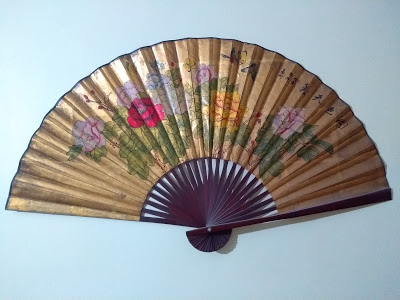
Since I began with F for Fan.. I will not disappoint you…  
Here is an exotic folded paper fan that adorns my home…

Fan, summer, wall decor


We are almost at the end of the first week of AtoZ. How are you holding up folks? A holiday is coming up and I plan to use it to catch up on blog hopping. 
Cheers!

E for Elephant

Welcome! 

We are with the 2018 April AtoZ Blogging challenge and its my fifth attempt. For those who missed it, here is the link to my Theme Reveal post. Do the alphabets still stand for the same things we learnt about in Nursery school?


Its day five and the alphabet is E.


E is for Elephant. The first thing that will come to our minds (especially those from India) is the Elephant God Ganesha.


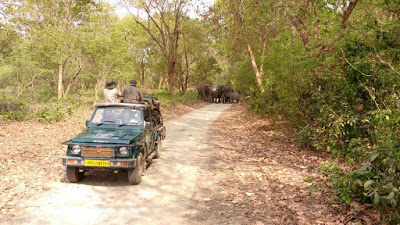
But today I want to share some images of elephants that we saw on a trip to the famous Corbett National Park. Here it is possible to view them living in free and in the wild. Its a common site to see herds of the gentle giants walking in the plains…


At times they do block our path and at such times, there is nothing to be done except wait. Patience is what is needed and tons of it! Sometimes they turn aggressive as they perceive the vehicles to be a threat to their calves
Obviously the elephants have right of way in the forest!


Going by the scientific name of Elephas maximus, the Asiatic elephant now lives free and in the wild only in specific protected forests. SInce 1986 the IUCN Red List, has listed it as Endangered. They live in matriarchal society led by a cow. Males (called Tuskers) generally leave the herd when they become adults and often spend  time alone. In fact, one must be very careful when a tusker is sighted especially if he is in a state of musth.


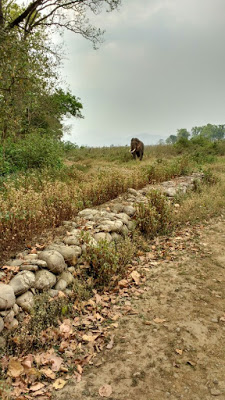
The above clip is of a lone tusker walking on the edge of some trees. Here is close up of the same guy

Same tusker, that’s about as close as we could safely get. Naturally, the vehicle driver had the engine running incase we needed to make a quick get-away

These animals are herbivores and consume up to 300 kgs of grass,herbs,leaves everyday.


That’s right. Everyday. 
The figure itself tells us the reason why elephants are constantly on the move- to search for fresh food. One herd will quickly exhaust available plants in a particular area and all have to keep moving to get sufficient food to eat. 


Intelligent as they are, they avoid consuming mud that clings to uprooted plants. How? Simply by just swinging the tufts and tapping it on the ground!
Watch it on the video below. (Video Credit : Mr Alhad Lele)


In summer, they also ‘spray’ themselves with the soft loose mud using their trunks. Strange as it may sound, this is said to keep them cool! Obviously, the animals love to take a dip in the water too!


Have you seen elephants out in the wild? Have you visited Corbett?
If not, add this place to your bucket list ASAP. Its wonderful!