Today, I will share a story spread over five months… a story of identifying a tree …
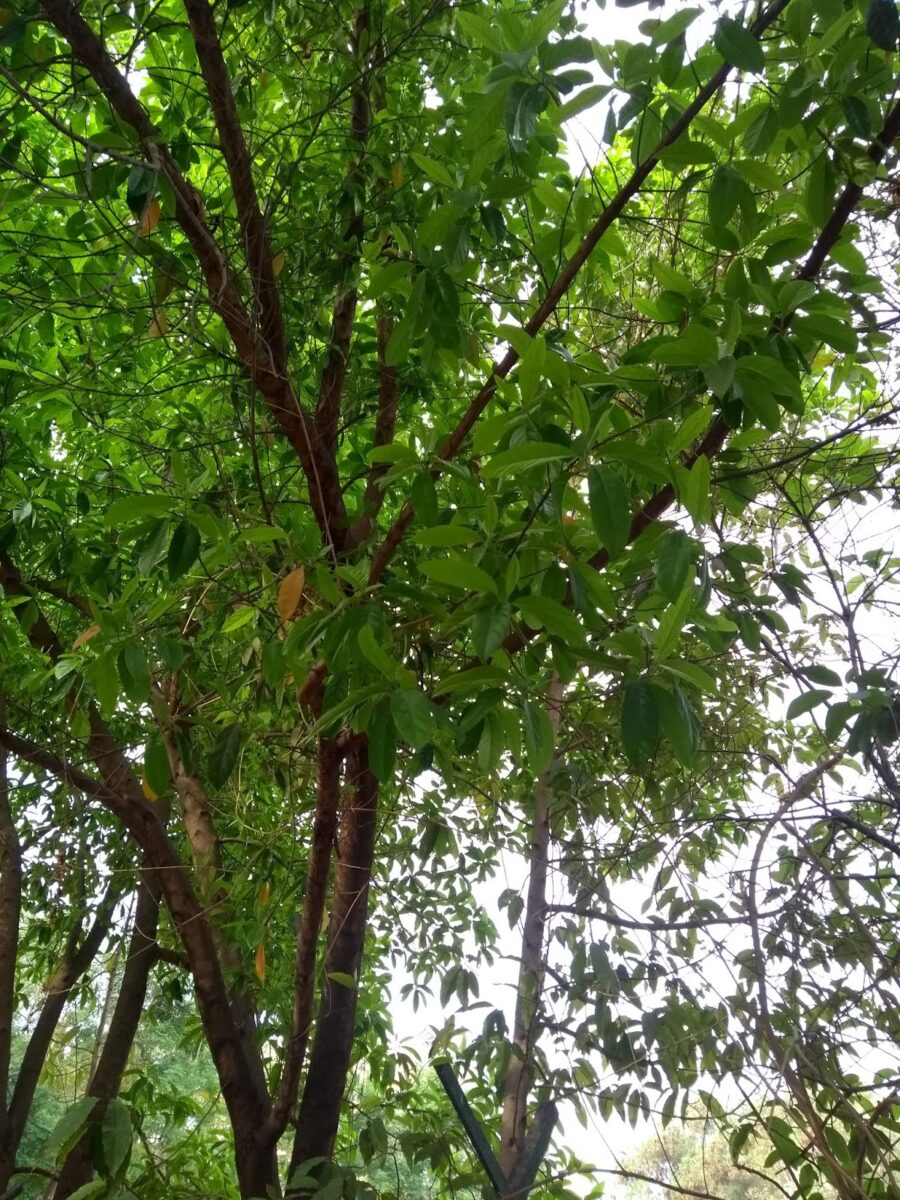
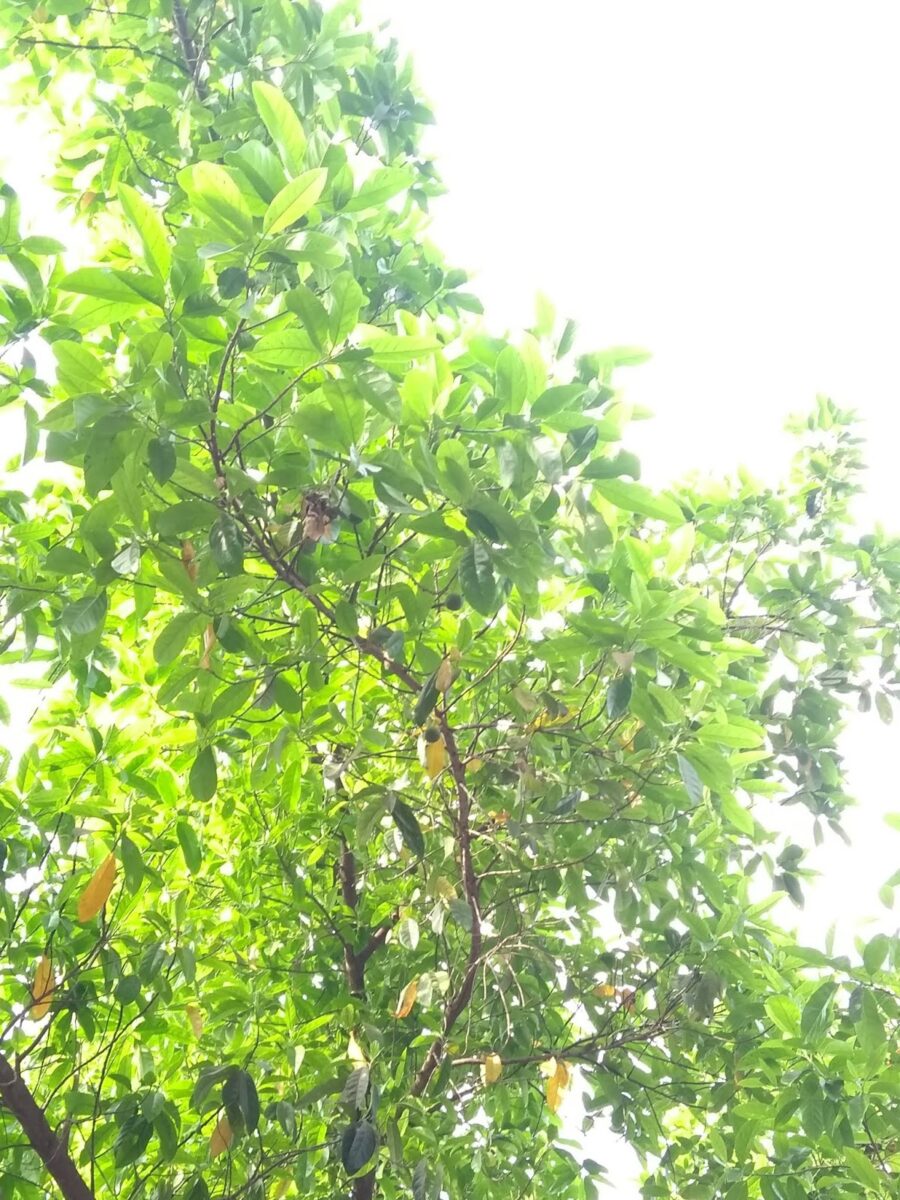
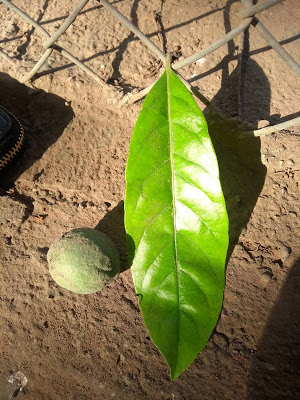
It all began in February when I was temporarily staying at a new area and my morning walks took me to a local garden. As is my habit, I mentally named the trees but one particular species (and there were at least six full grown trees) was especially challenging. It had a lovely buttressed trunk, glossy green leaves and round lemon-sized fruit.
 |
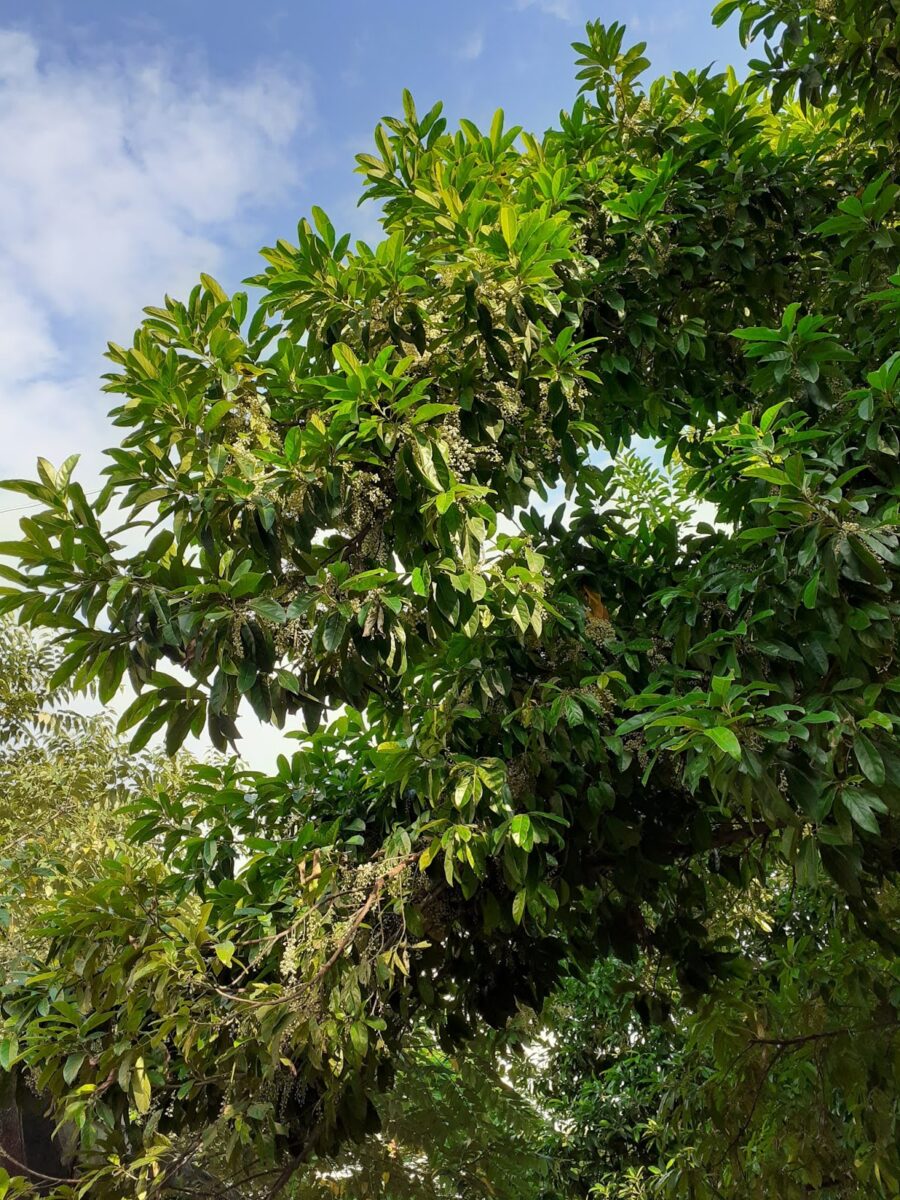
| This glorious green tree had me staring at it every day! |
|
| See the green fruits |
I kept racking my brains, googled the images but no luck. My usual reference books were not available to me. Finally, inspiration struck and I narrowed down a possible ID to Rudraksha. The leaf structure seemed to match perfectly…
In the absence of flowers, there was a way to confirm.. check the seed.
While earlier there were plenty of fruits on the walkway, suddenly I could not find any.. Being end of Pune winters, most trees were shedding their dry dead foliage. The cleaning staff used to clear the area before I reached. .. I even checked the mound of collected dead leaves in case I could get a fruit..
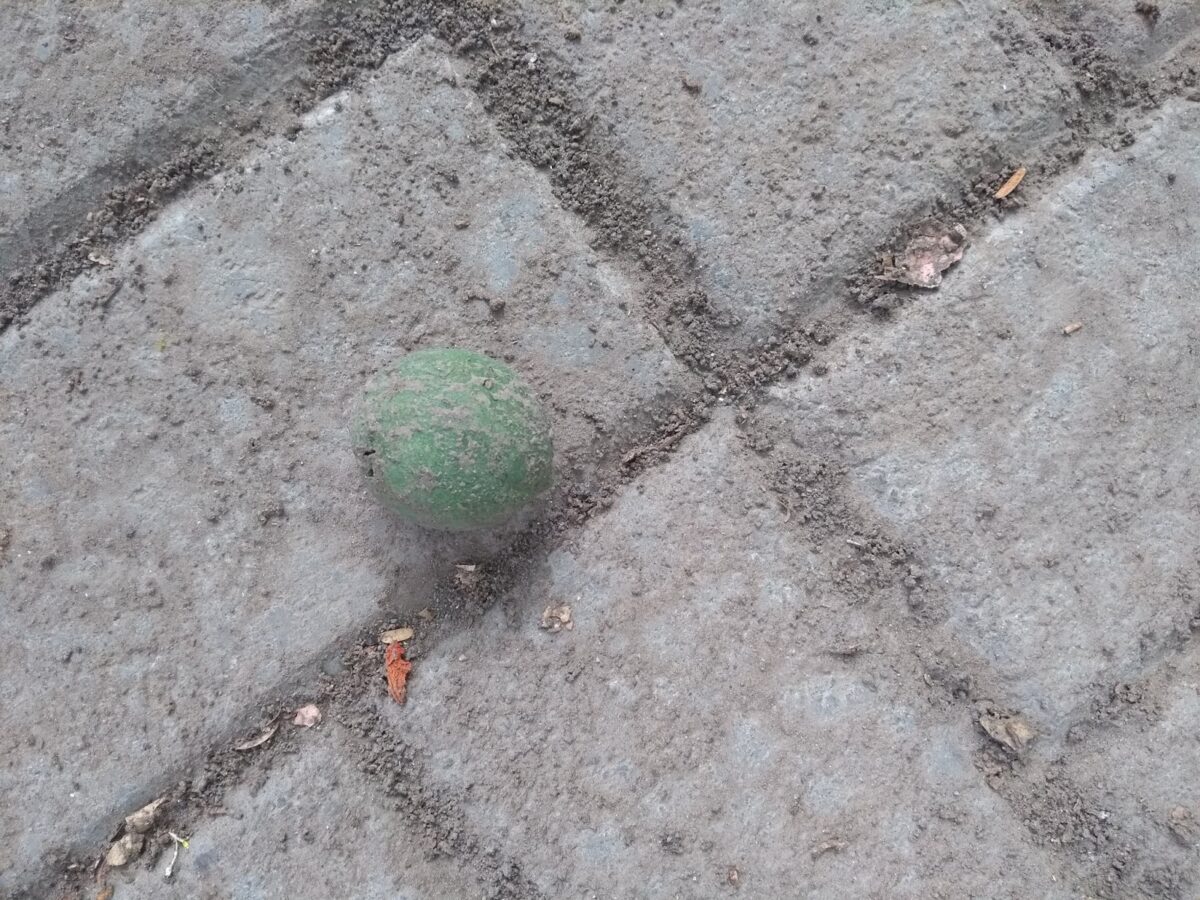
Then I changed my walk time and got lucky. There was a fruit just waiting for me ..
I picked it up and almost ran back home to cut it open…
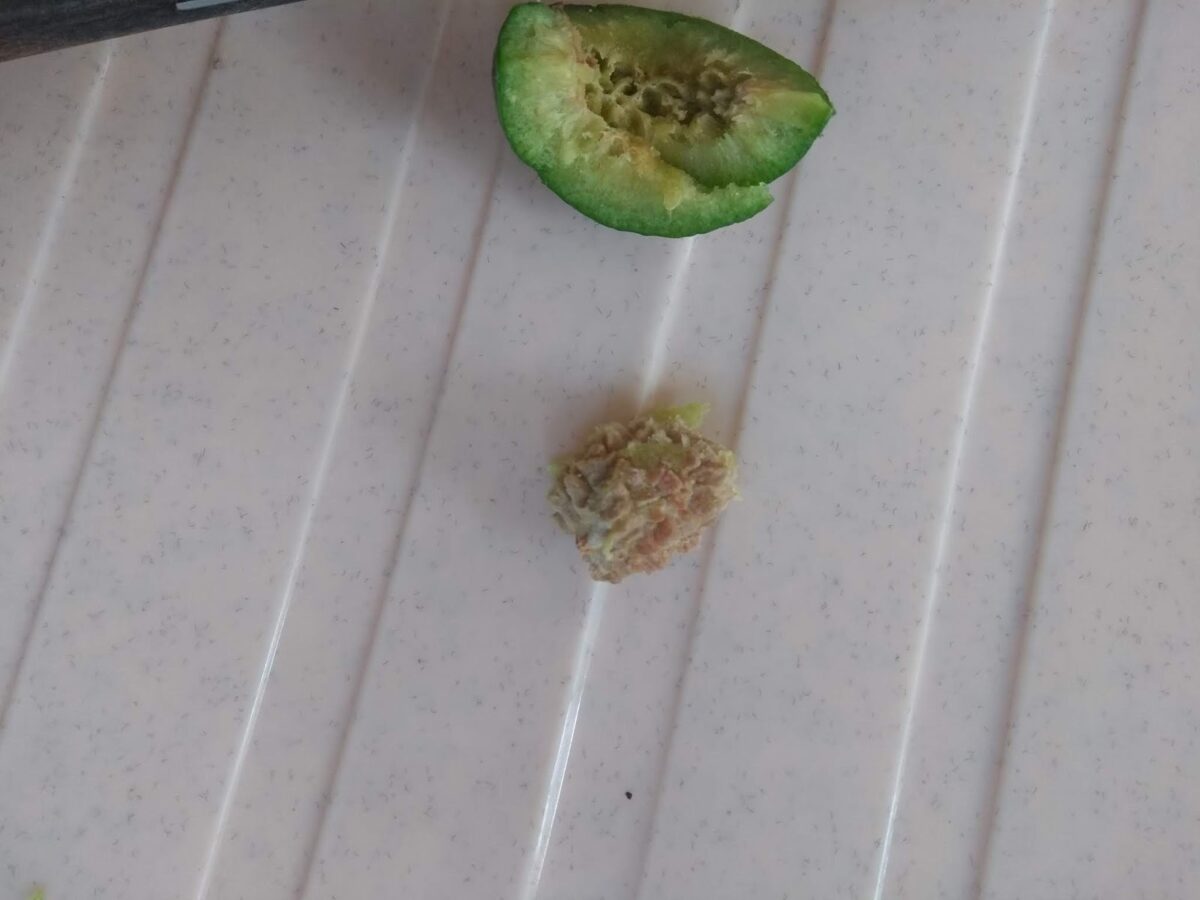
Bingo… the typical Rudraksha seed smiled at me!!!
|
| The fruit that escaped the broom! |
|
| Fruit and Leaf .. can you see the forked lateral vein? |
|
| The unmistakable Rudraksha seed |
I was thrilled and shared these images with all and sundry! What is most amazing is that local authorities had planted such a beautiful tree in a small park.
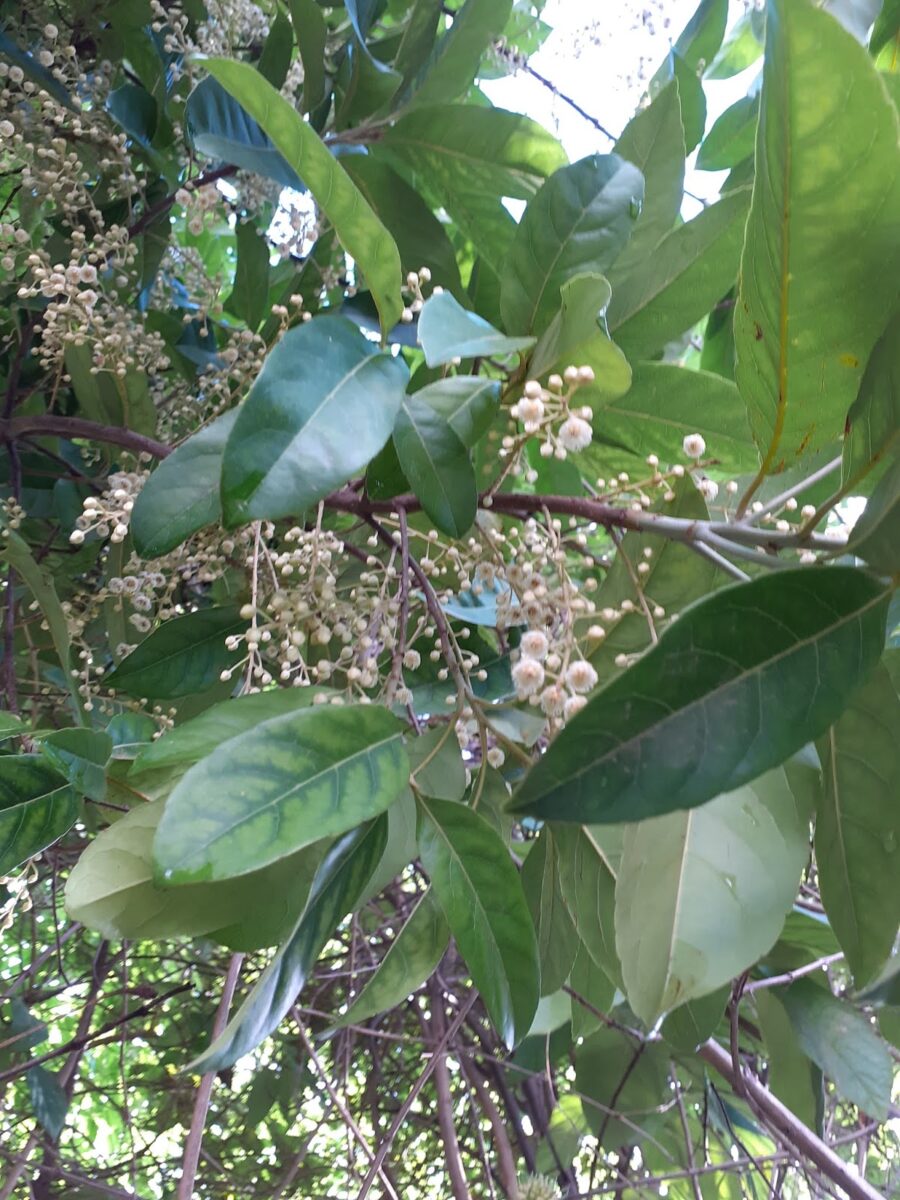
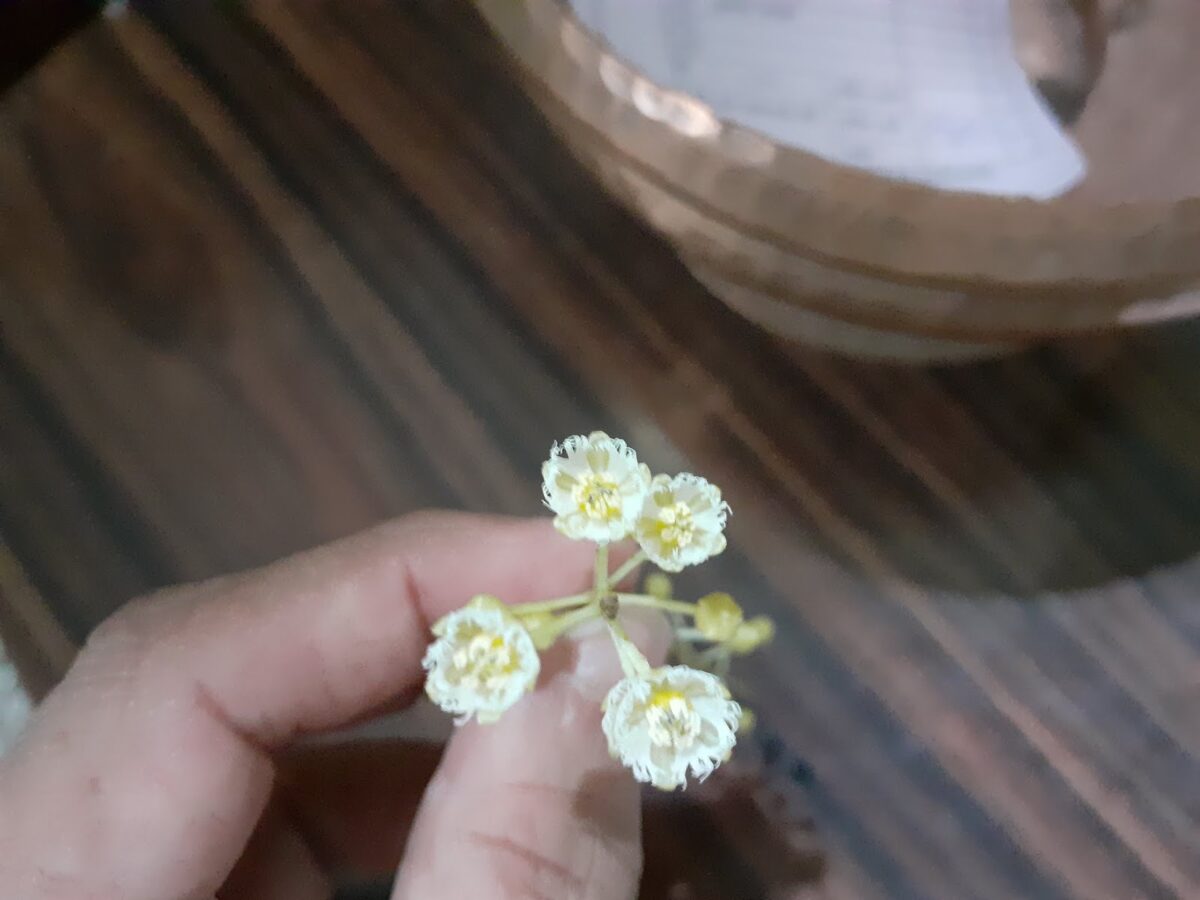
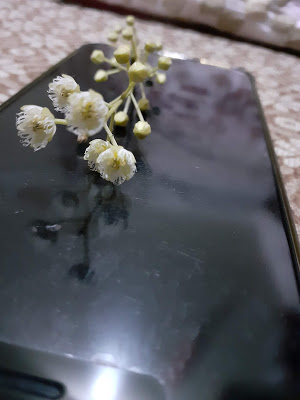
Next, I had to wait for the flowers. Come June, I was rewarded with the first buds but they took more than 3 weeks to bloom. And when they did, the trees looked absolutely glorious.. the tiny white frilly flowers amid glowing green leaves.
Have you seen the Rudraksha tree?
I have not yet identified the exact species but this is definitely the Eleaocarpus genus of the Elaeocarpaceae family. According to the Flowers of India website, a species is found in the western ghats, central and south Sahyadris. Rudraksha is revered by many and is said to have huge medicinal value.
Hope you enjoyed my story.
I am joining Parul in her ThursdayTreeLove blog hop. Do head over to see some amazing trees from around the world. Better still, join in!