Sacred groves (Nandivli)

I have written before about Devrai or Sacred Groves. I had the opportunity to visit one more recently with none other than the Patriach of Botany in my city. He gave us some more insights about Devrai which I would like to put into my own words.


Devrai is the marathi word for sacred groves, and loosely put, they can be described as forests that are protected by a local deity usually a Goddess (देवी) but some devrai have Khandoba or Mhasoba as their deity. The forest does not have a ‘temple’ in the form that we know it but it may be a simple structure made from local materials and the idol itself may be no more than a stone. Usually the offerings are flowers that have naturally fallen off trees and the blooms must not be deliberately plucked in a devrai. In fact nothing should be plucked in this forest or even taken away including dead or dry branches, twigs, leaves all of which must be left to decay there itself. The species growing in such protected forests thus get protection and thrive. Some shrubs, trees, roots etc may have medicinal properties. It is the ‘Bhagat’ who is the only person who is allowed to pluck such tree parts to help any sick villagers after offering due prayers to the tree. No one else can do so.
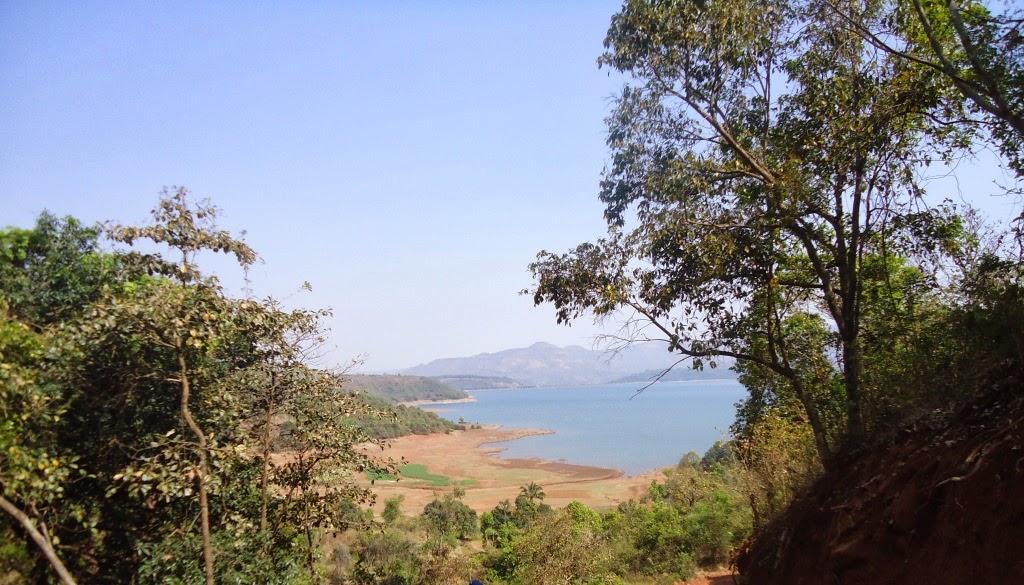

Sacred groves, Mulshi
Backwaters of the Mulshi Dam near Pune, Maharashtra


The Sahyadris have about 3000 devrai and the Mulshi area has up to 30 sacred groves. The Kudawale devrai near Dapoli is said to be spread over about 100 acres. These can serve as reference ecosystems which will help chose the
correct species for any new plantation, afforestation projects in
the area. It takes a thousand years or more for a proper forest to develop and simply planting a few hundred trees is not akin to creating a forest.
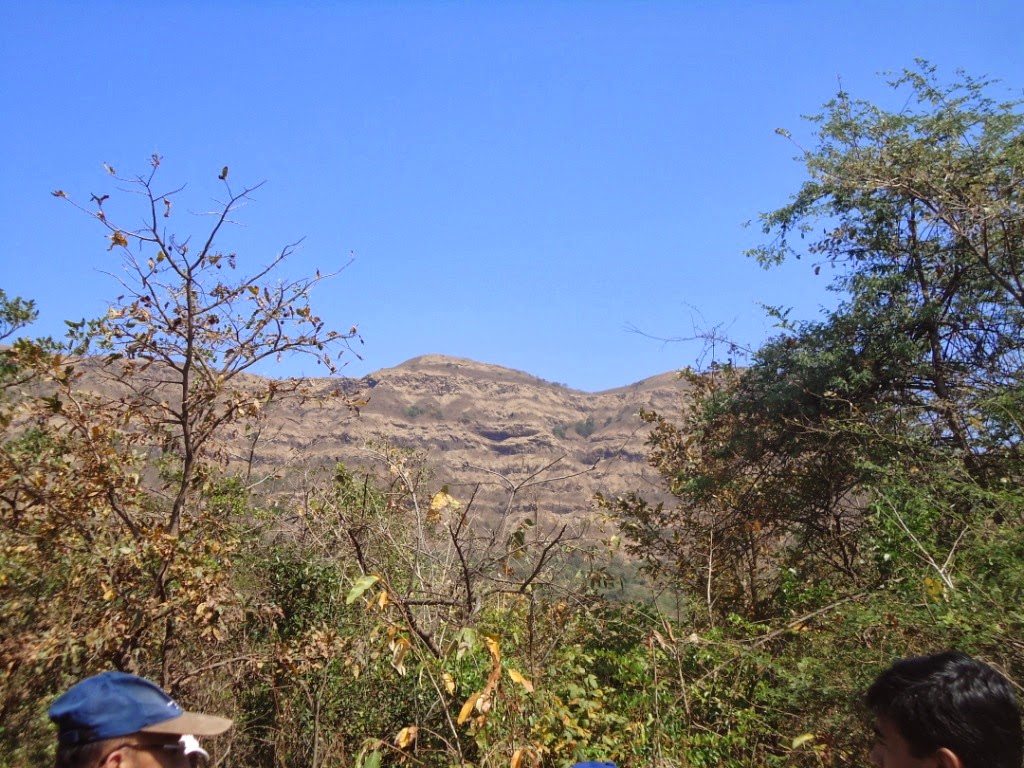


Dam, water, sacred groves, forests
The Sahyadri crest line near Mulshi Dam


It is such blind faith has helped protect the forests from the relentless march of so-called progress and urbanisation that has extended cement and mortar monstrosities way outside Pune. The area of some devrai has reduced and some do not have undergrowth. The latter is an indication of regeneration of the species growing there.  Lack of undergrowth heralds a bleak future for the devrai. Construction of new roads is a good thing but it may have a detrimental effect on such protected forests.


Here is a link to a Wikipedia article about devrai.


This article lists sacred groves in Maharashtra and here is one with some general information.


We recently visited a devrai near Mulshi. A tarred road to Lonavla ran through a part of this devrai. Access is by personal vehicles or an ST bus service from Pune (Swargate). As we neared Mulshi, the blazing red Dhaitee (Woodifordia fruiticosa) provided a welcome relief to the dry brown and yellow of the countryside as was the furry soft white inflorescence of the Bhamni. The weather had just started warming up and people were just about recovering from ‘Holi’. There was extensive flowering which was a pleasure and helped identification.
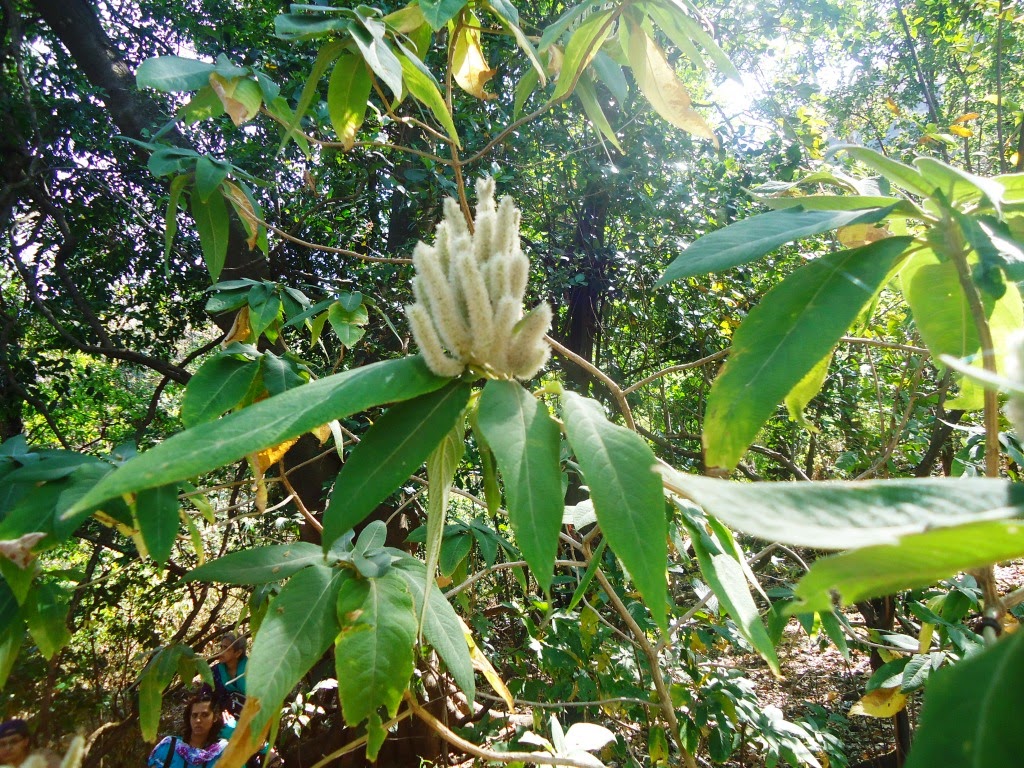
Bhamni: Cholebroochia oppositifolia

 We stepped out of the bus and were greeted by the sweet fragrance of the ‘Lokhandi’ (an Ixora species). You may remember the red walking sticks in Mahableshwar. They are made from this tree! Other trees specifically found in this grove were the Toran (Zizyphus rugosa). Its fruit is double the size of the usual Karwanda and is ready around the Divali festival. We were lucky to see blooming of the Waras (Heterophragma quadriloculare) , Vatoli (Diploclisia glaucescens), Shivan (Gmelina arborea), Kakad (Garuga pinnata) and Kuda. The Palas was in fruiting stage while the red blazing leaves of Baheda (Terminalia bellerica) and Kusumb gave a flaming touch to the scenery. I saw the Khedshingi with its strange looking fruit for the first time. The poisonous Hura (Sapium insigne) and Raan ghewda (Paracalyx scariosus) was a first for me as well.

My friends tell me that they could spot many varieties of birds and had an extremely satisfying bird spotting session here.
 

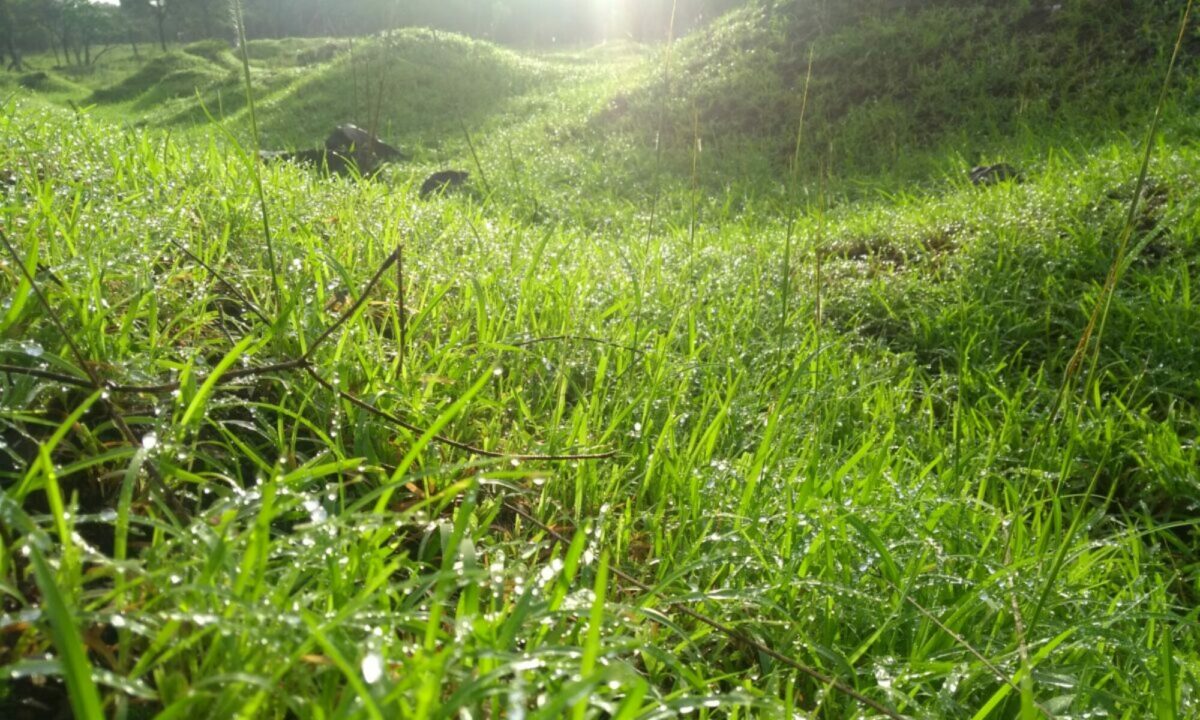
Here are some images (absolutely amateur variety!!) that I have taken during my visit to the devrai. Enjoy!


(Double click to open a new tab so the photo description can be seen)

Stunning Stupas at Sanchi

The usual factors for choosing a holiday destination for most of us are the Local Attractions (Music, Arts History, Geography, etc), Shopping, Food, Nature, family/friends (at times this helps in NOT choosing a particular place) and so on. After my visit to Hampi, the presence of a UNESCO World Heritage site has become a big plus in the decision process. This explains why we seized the chance to visit Bhopal.

Located in central India, Bhopal is the capital of Madhya Pradesh state and I had often transited this city during train journeys but had never actually stayed there. Sanchi is located to the north east of Bhopal at a distance of about 45 kms. It is home to the Buddhist monuments – the Stupas that show case Buddhist art and architecture. This is designated as Unesco World Heritage Site. It dates back to some time in the 3rd century BC and was constructed by Emperor Ashoka. After its hey day period, it was ignored and forgotten for several hundred years. It was re-discovered and then explored and developed by British Officers during the Raj. There are plenty of reviews and descriptions of this site available on the internet so I would not like to repeat those. This page on the website of the Archeological Survey of India offers excellent information.

Sanchi Stupa, Unesco world heritage site, Madhya pradesh tourism
Buddhist Monuments at Sanchi

Sanchi is easily accessible by road from Bhopal. Entry is with a nominally priced ticket and the guard at the entrance politely told us not to eat inside. There is an excellent museum near the ticket hut but I suggest visiting it after seeing the Stupas. Its a very good idea to take services of a local guide as they have an uncanny knack of retelling the history of the place and bringing it alive.

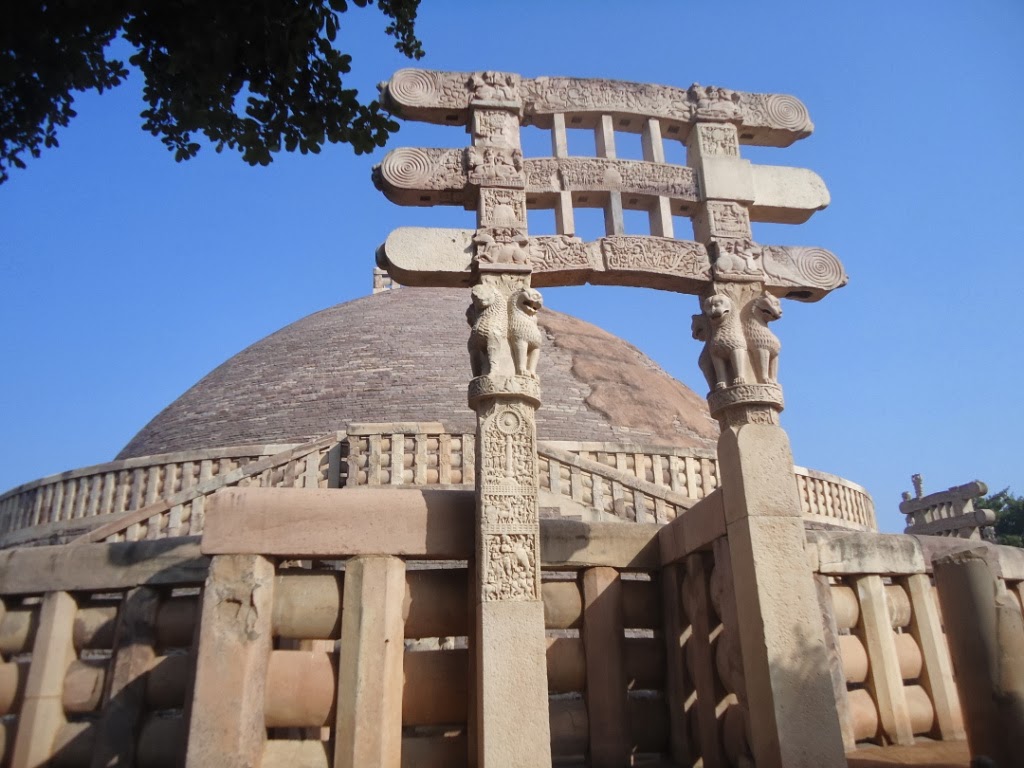
The main stupa (Stupa 1) is said to hold the remains of Gautam Buddha and the other stupas are of his disciples.  It is distinguished by its bigger size and by the triple umbrella (chhatravali) on its dome. It has four entrances (toranas) and the southern one is thought to have
been the principal entrance.  The
other ones (east, west, north) were built later. Each gateway has two pillars (square with carvings on all sides) and a superstructure of curviform architraves (also carved with different stories).

Our guide brought attention to details inscribed on the pillars which relate the life and preachings of Gautam Buddha and Jataka  tales. Parts of the site have been restored. At no site is the Buddha depicted in the form that we now know him to be but he is depicted symbolically. E.g. Umbrella held above the throne, dharma chakra, footprints etc.

If you happen to visit any place near Sanchi do make it a point to go there. It has a serene atmosphere and the Gautam Buddha’s ideas are conveyed in a very subtle manner via the carvings. There are beautiful seats under the trees that are ideal for this purpose. The skills of the artisans in years gone by is humbling especially considering that they did not have the so-called advantage of ‘modern’ technology. Dont miss the stone pillar with a mirror like polish or the huge stones that would have been hauled from miles away and then installed in its position or the interlocking cylindrical stones that form the peripheral boundary of the main Stupa. These are just a few examples. There are many more at Sanchi. .

This site has special walkways for visually challenged individuals and a sign post in braille. This is among the few places that I have seen that offers this facility for the differently-abled.

At the entrance is a small shop that sells some brochures and CDs that have extensive information and history of the site. However they do not have any significant mementos or fridge magnets (I am really partial to those!) which is sad considering that this is such an important destination.  I do hope concerned authorities do something to rectify this. Rest rooms are available and there is small shop that sells basic food
items. So do go prepared with snacks or something to eat depending on
where you have travelled from.

Here is a slide show of some of some photos. It only gives a glimpse of the beautiful place and the images probably do not do full justice. Double click on the image for the slide show to open in a new tab… then its possible to read additional descriptions of the photos.

Considering my interest in trees, this blog will be incomplete if I don’t write about the trees I saw there. The most important is the Bodhi tree planted just at the entrance. There are several Khirni trees at Sanchi, all flourishing and their shiny dark green leaves glowed in the cool morning sun. I also noticed a Kalam (Mitragyna parviflora), lots of Bougainvilla and other trees usually used for landscaping. Here is a slideshow of the trees at the Buddhist monuments at Sanchi.


Enjoy!

Ticket Trauma


Sawai  Gandharva
 Bhimsen  Mahotsava is a much awaited, annual musical
festival in Pune. It’s prestigious for the artists performing there but from my
experience getting tickets for the ‘chair’ can be something of a prestige as
well. Not for the money, no… The ‘sofa’ seats are priced much higher.

The reason is the efforts that go into
procuring the tickets. For some reason, tickets are only sold at a few select
outlets in Pune, and as of 2013 there is no online option for ticket sales.
Seating is in three categories, ‘Bharatiya
baithak
’ (sitting cross legged on the ground- usually covered with sheets)
‘Chairs’ and ‘Sofas’. These are in increasing order of prices. 
Each sofa seats three people and those with well-lined
pockets may find it economical but the ‘source’ of these sofa tickets is a closely
guarded secret. Probably a single phone call suffices if you know whom to
contact. A decade in Pune yet I am totally in the dark about ‘getting’ sofa
tickets. Probably I need to change the social circles that I move around in… 

Tickets for Bharatiya baithak are freely
available and there is no space reserved for you by the organisers. It’s up to
you to reach the venue sufficiently early to spread your own ‘sheet’ thus
‘reserving’ that space for yourself and your group. The others can come in
later armed with bolsters, pillows, snacks, warm clothing, reading material, iPod, iPad,
knitting or whatever they need to enjoyably spend the following five hours of
that day. 
Now for the chairs.. Priced at Rs 2000 this
year, the season ticket entitles you to sit on a specific Chair for all four
days/five sessions. If you think you can stroll in post-breakfast at one of the
outlets to purchase a ticket then Good Luck to you! Let me narrate what
happened at one of the ticket outlets this year.
This store opens only at 9.30 AM and it’s a poor
idea to go there comfortably post-breakfast to buy your tickets. Since there
are a limited number of tickets to be sold, one can return empty handed after 11ish in the morning (we have faced this earlier).  Enthusiasts gather there from the
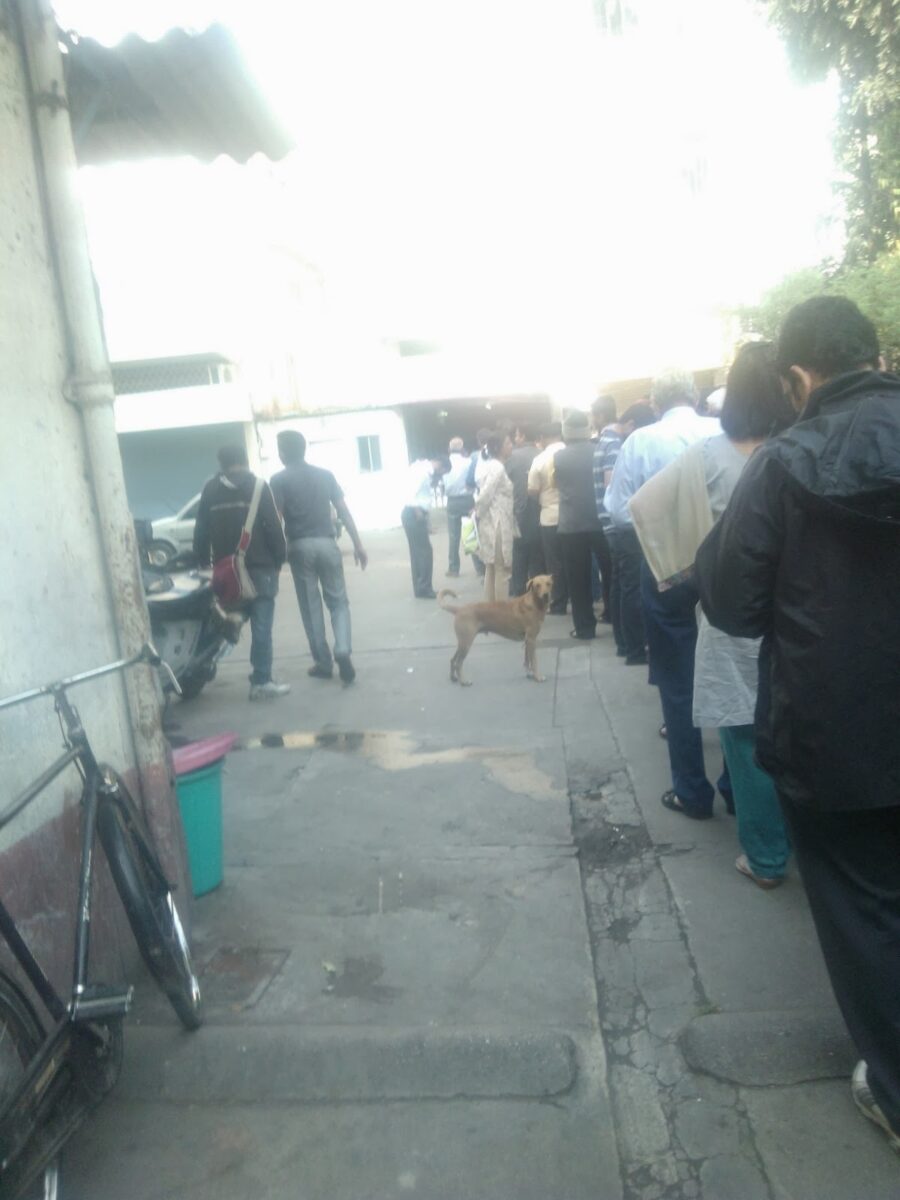
wee hours itself to get the coveted tickets. We reached at 4 AM (it seemed an early enough
hour) but found ourselves to have been beaten by 9 others! Now remember what
seems like nine may be more because one person may stand in for two others who
come by later at a more human hour! 

As Sunrise approached the line slowly
became longer. Unluckily the tapris located nearby that would have provided
much needed chai were demolished just the previous day by the Anti-encroachment
squad. 


The lucky ones had someone to ‘replace’ them so they could go home for tea and breakfast. Some had their domestic help reach the store 3 or 4AM and came themselves just as the TV reporters arrived! That was some timing! 
By 7AM there were about 25-30 people and
healthy conversations ensued about merits of the performing artists. This is Pune and everyone has an opinion. The queue took the form of an amoeba that kept
changing its shape to accommodate the sweepers or the delivery vans to the
stores. All were hopeful and time passed quickly. We were quite sure this ‘shape’
would align itself into a proper single file come 9.30AM.
As the golden hour approached, every incoming
vehicle or person was suspiciously viewed to be the one bringing the goods. Four hours had flown by but the last few minutes seemed to drag on… A
mini truck came by, it was surely too big to be carrying tickets?? Another
gentlemen came at about 9.15AM on a scooter with a huge bag – that seemed more likely
and he had a very official bearing as well. Minutes went by but he kept standing by his
vehicle. Our eyes followed his every move and then suddenly he took out packets
of Chivda and began counting them…. 
The clock hands crept past 9.30 but the
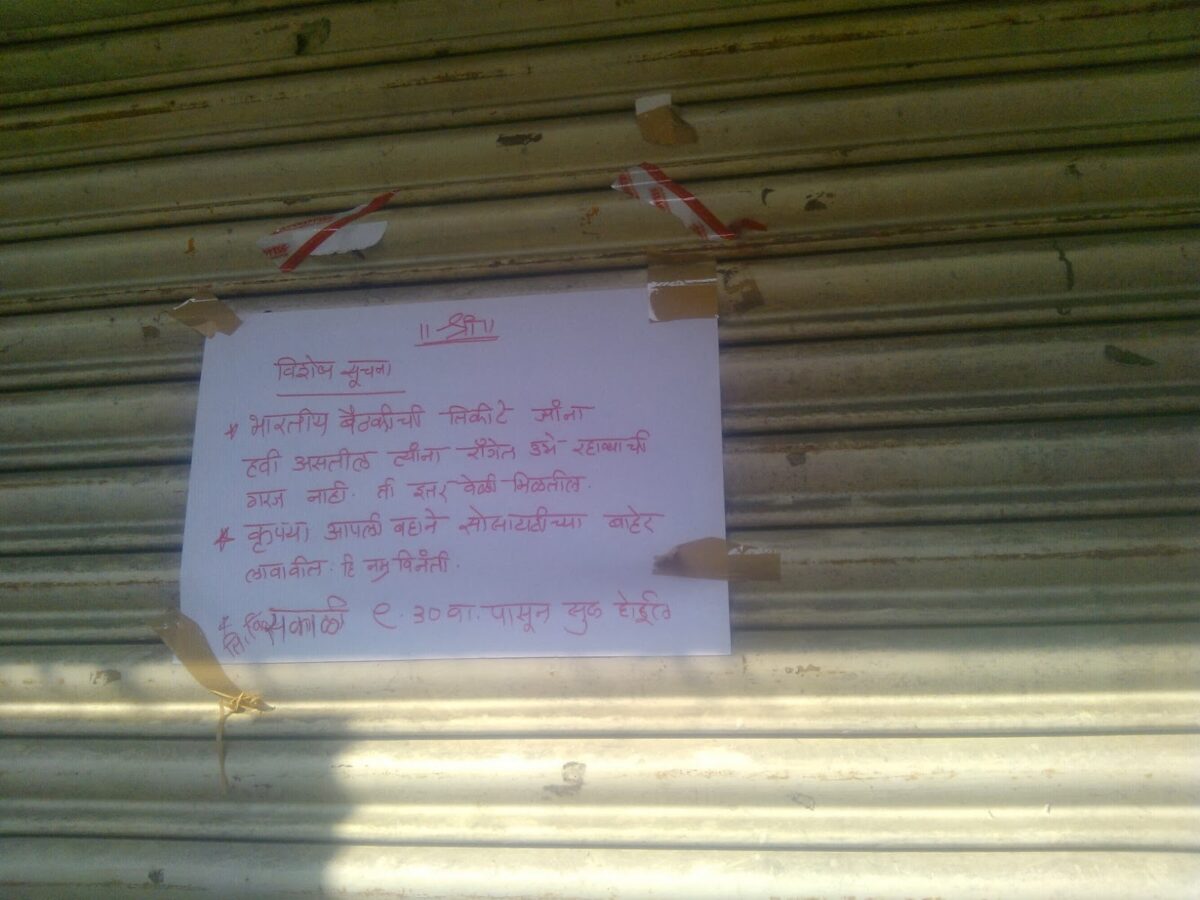
shutters of the shop stayed firmly closed. Did the notice mean 9.30 AM on 05
Dec 2013 specifically?  Someone noticed
that the shop had a rear entrance and some sounds could be heard from the
inside. Yeah! Word rapidly spread down the line (yes we were in a queue now) that
the store is about to open. After all this while, every second seemed like
hours now. Many minutes later the steel frame still stared at us. 
By now there were about 60 odd people and
Murphy too had arrived!! The store owner came before us, apologised to say that he
had lost the store key and ‘could we please wait some more?’
Even before these words were conveyed to the
last waiting person one of the early birds produced a key from his pocket “Is
it this one?”
The rattled owner gratefully took it and the
gentleman explained that he had found the key at the doorstep of the shop when
he reached there at night. Assuming it to belong to one of the owners he kept
it aiming to return it in the morning. The entire group heaved a palpable sigh
of relief!
If it were not for this very honest gentleman our wait would have prolonged
further! 
The officials soon set up their stuff and
ticket sale proceeded rapidly. Just as it was our turn, two very old and frail ladies turned
up requesting to be given tickets out of turn citing senior citizen privileges.
When asked one of them said she wanted two tickets. No one had the heart to
turn down her request. Gratefully she went in and asked for four tickets!
Now would the second lady go in too?
No, she did not, and the duo left thanking
every one… We got our tickets and returned home triumphant. There was only a
small stack of tickets to be sold and I hope everyone in the queue got what
they wanted. 
I guess this too is a part of fully enjoying
the Sangeet Mahotsav! 

Here is the link to the Mahotsav website: http://sawaigandharvabhimsenmahotsav.com/

But in this day and age, why can there not be a more user friendly method to sell tickets? If it already exists, then music lovers should be informed about it. 
Agree?

Yes, I can

I admit I had huge doubts when I joined the April A to Z Blogging Challenge. It was unlike other such writing events I had participated in- one did not compete with others but rather challenged oneself. While I had posted regularly (What is ‘regular’ defined as as?), there were occasional long gaps. Once that occurred, lethargy set in and I found all kinds of reasons to delay posting – the commonest being lack of ideas.

This challenge seemed to be just what the Doctor ordered.


I am quite proud to have got this far, challenges withstanding. The main one was that I was travelling extensively across oceans and did not always have access to the Internet. Yet with some prescheduling and planning,  I have made it to the letter Y. The family helped by suggesting topics and even allowing me to use photos. Some posts were changed at the last moment while some held at the first draft.

I have visited many interesting blogs and found interesting themes. Its been a wonderful ‘global’ experience.
A big Thank You to the April A to Z Blogging Challenge organisers. 
Happy Blogging everyone!