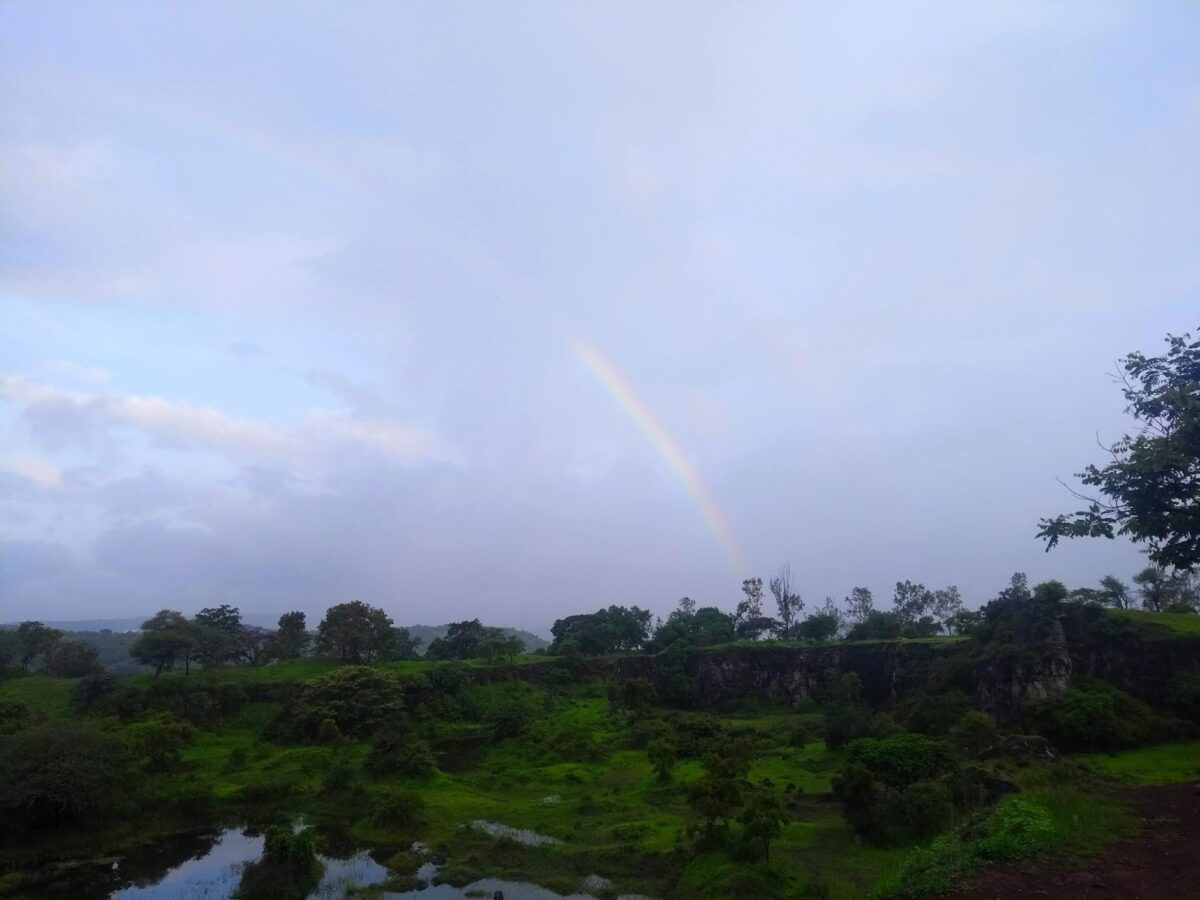
Monsoon Magic (Wordless Wednesday)
A khatta-meetha take on life around me through my presbiopic eyes!
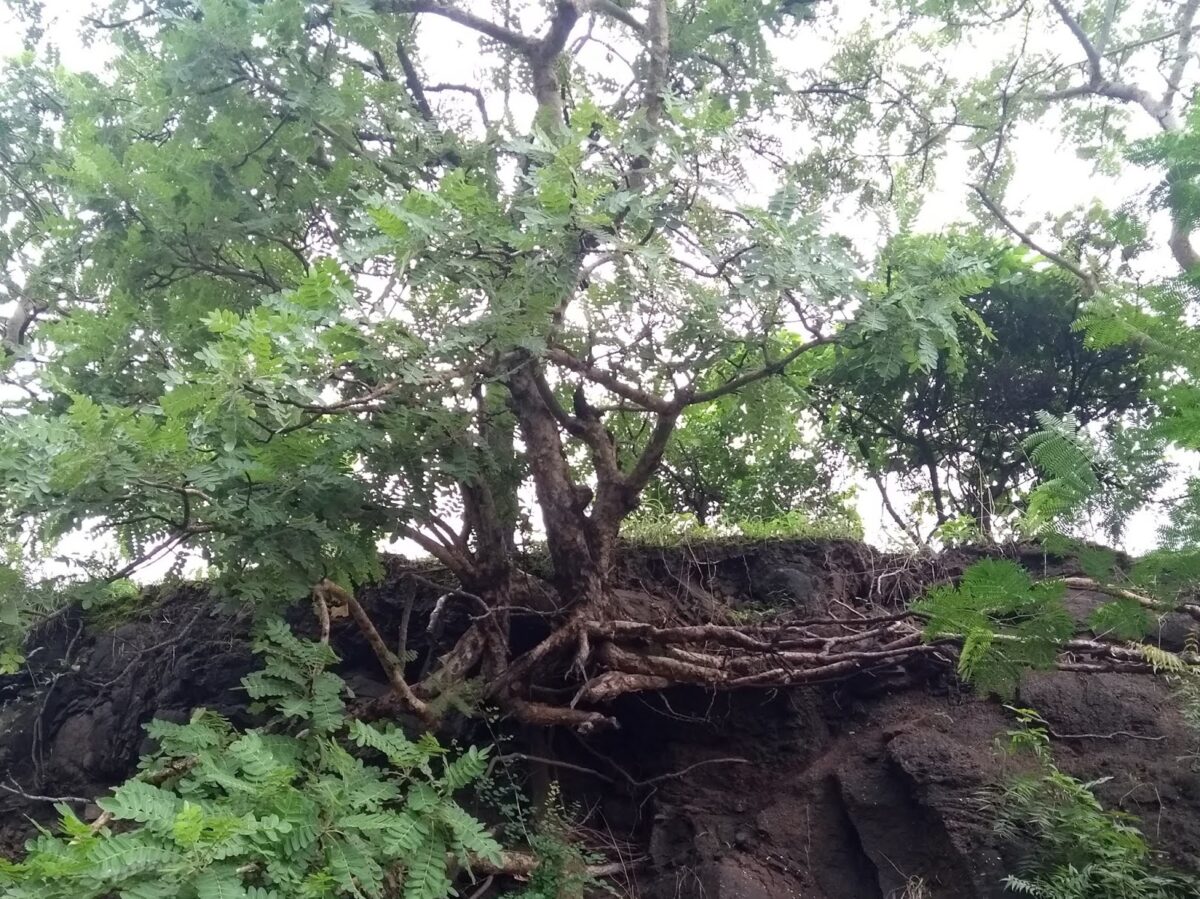 |
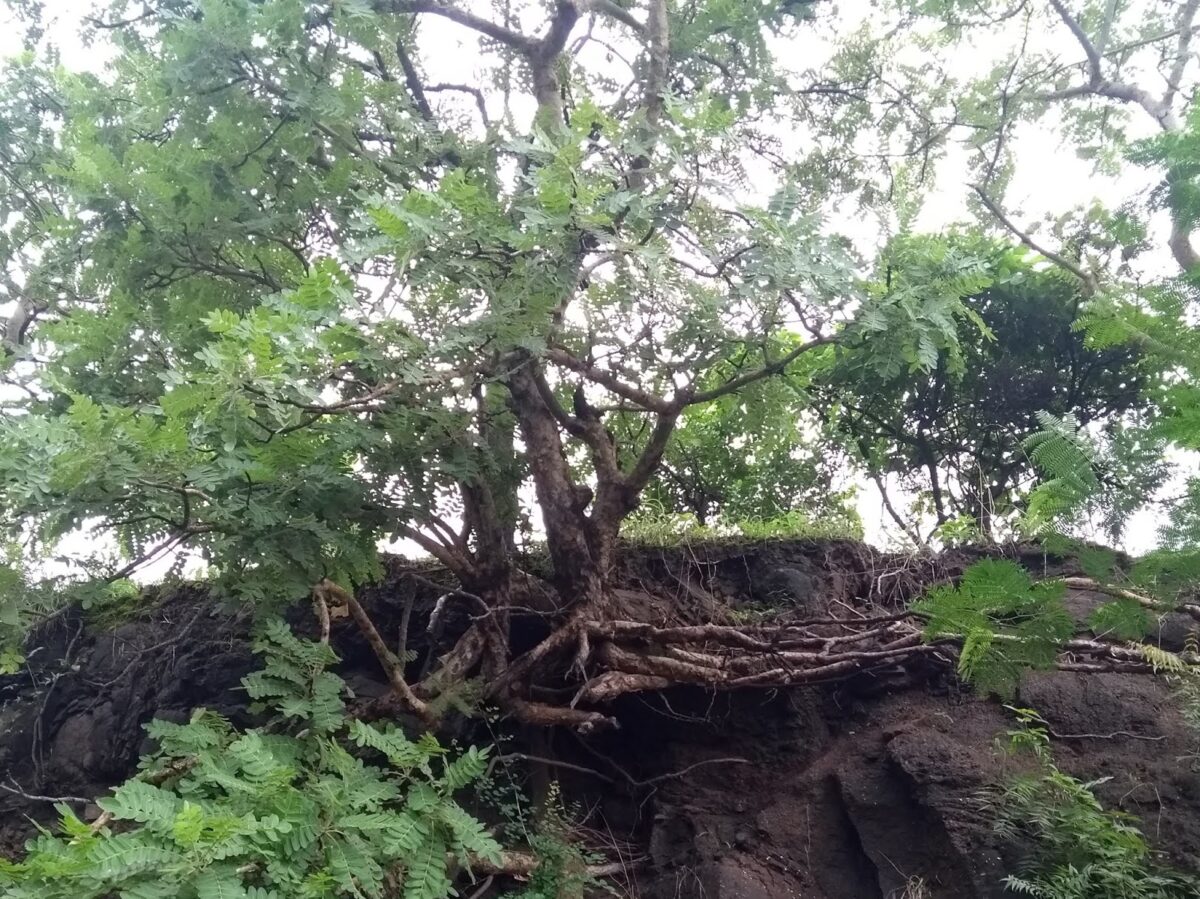
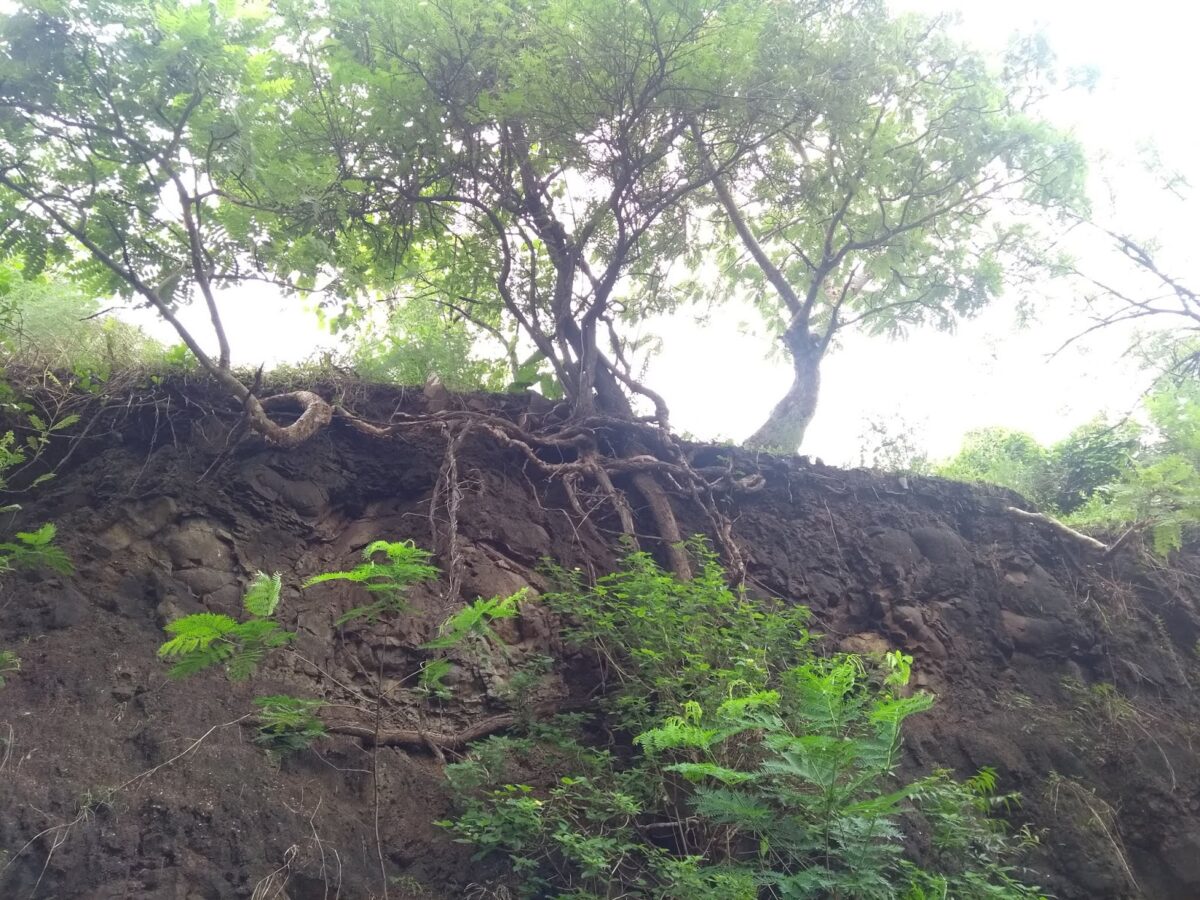
| Clinging on |

I am joining Parul in her ThursdayTreeLove bloghop.
Do head over to see some fantastic trees from around the world.
Better still, join in!
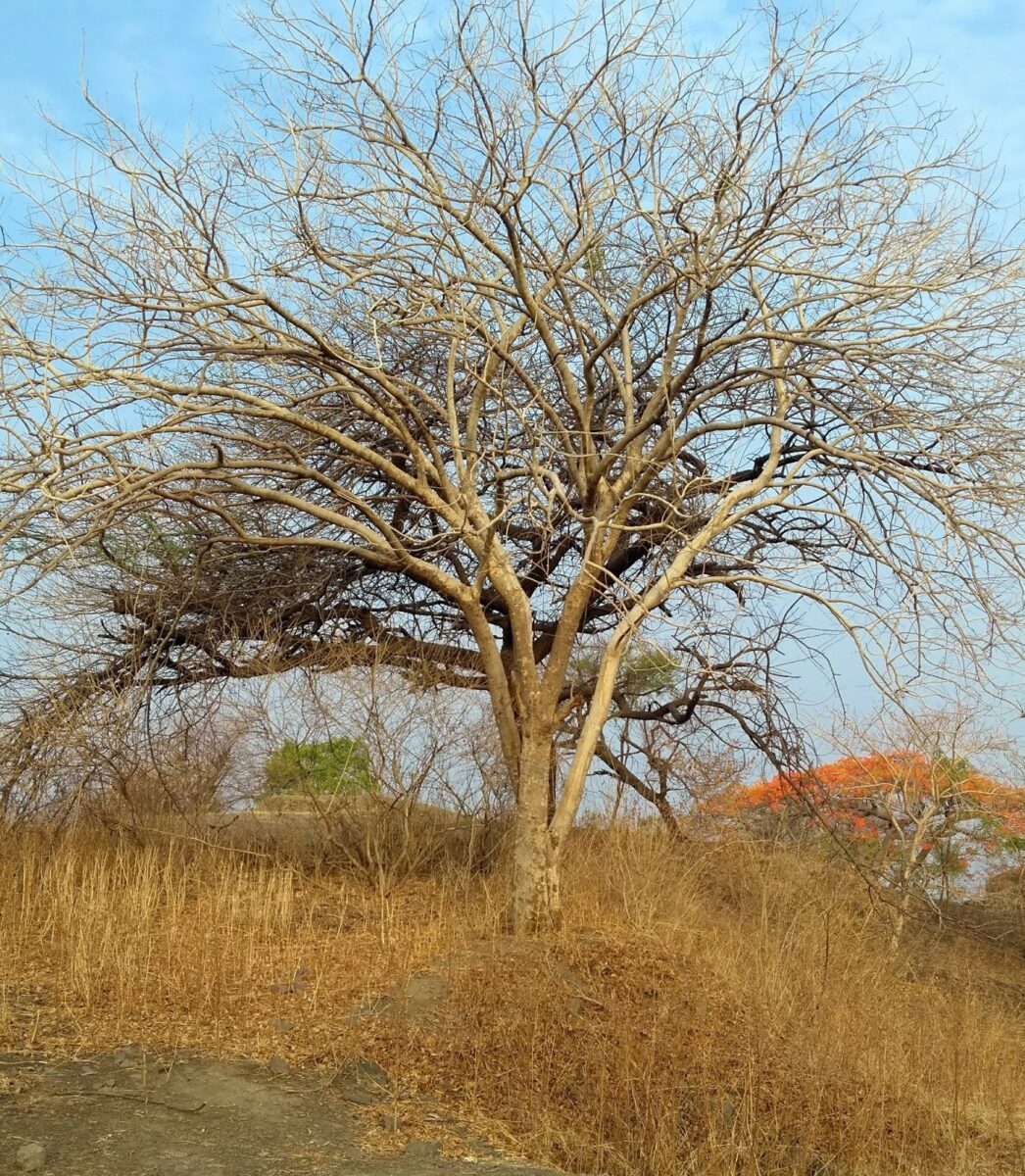
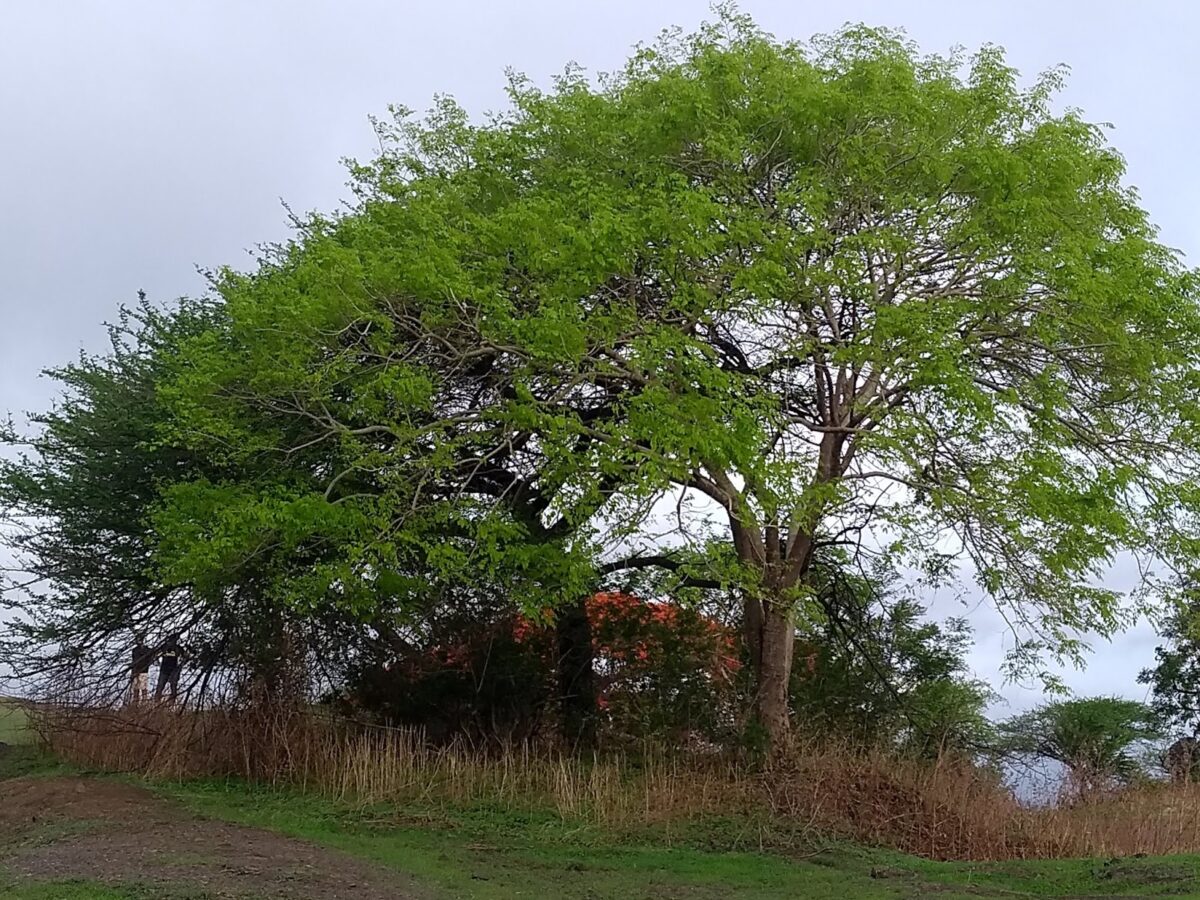
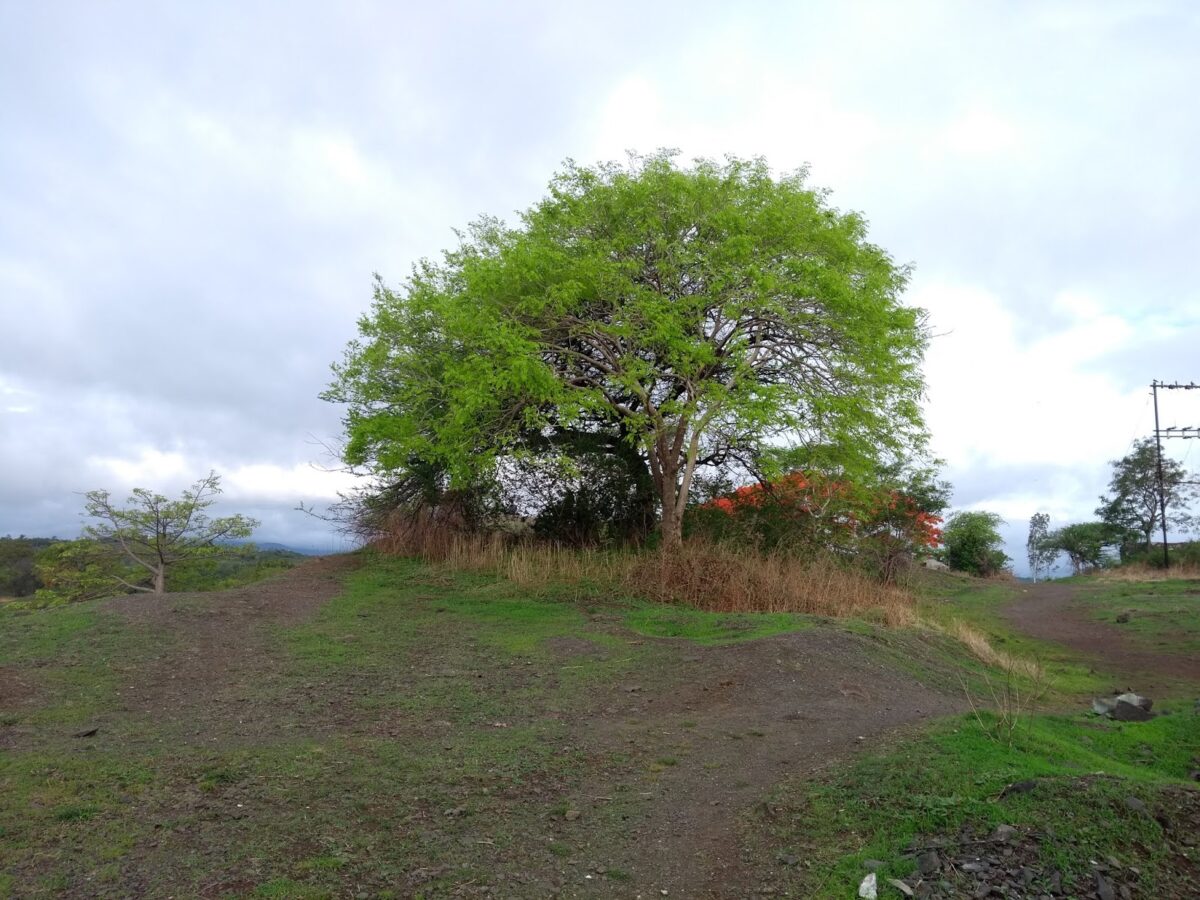
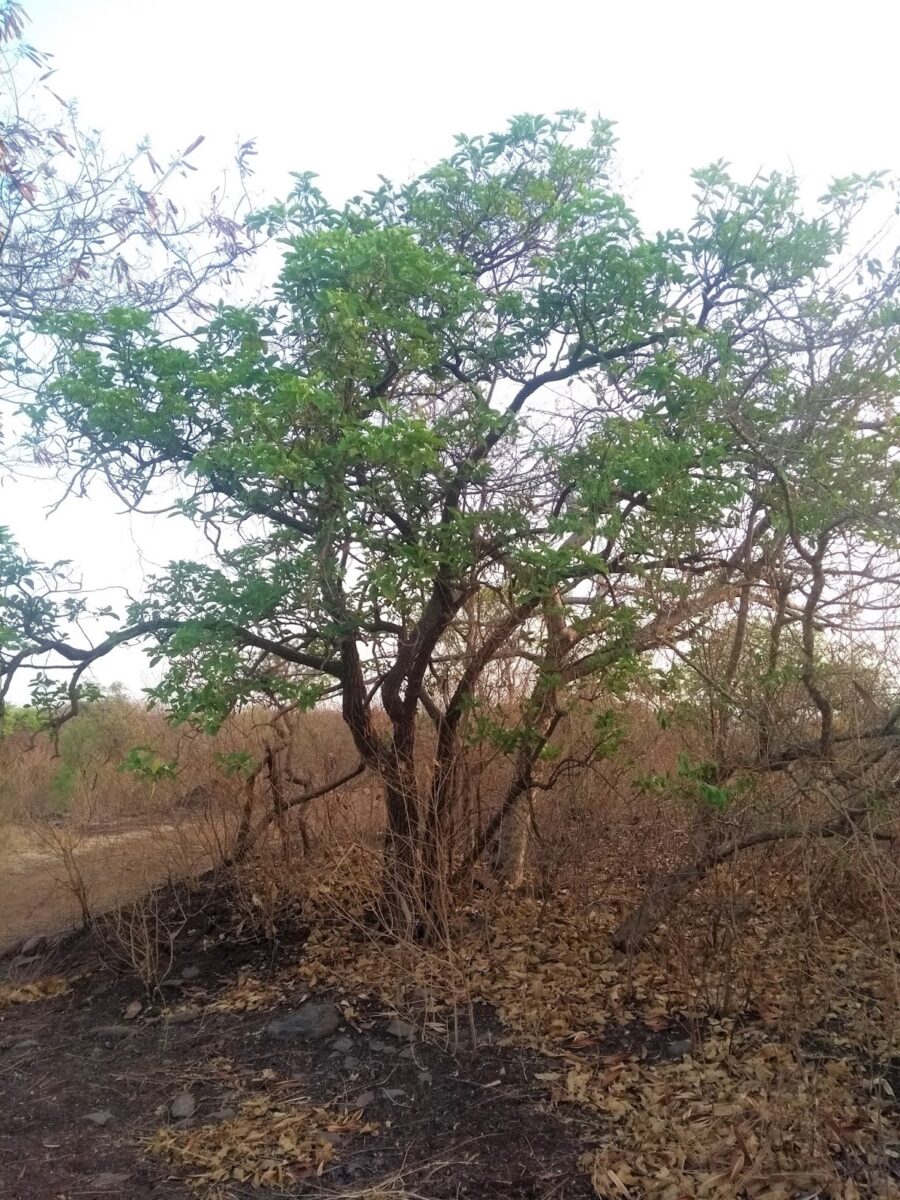
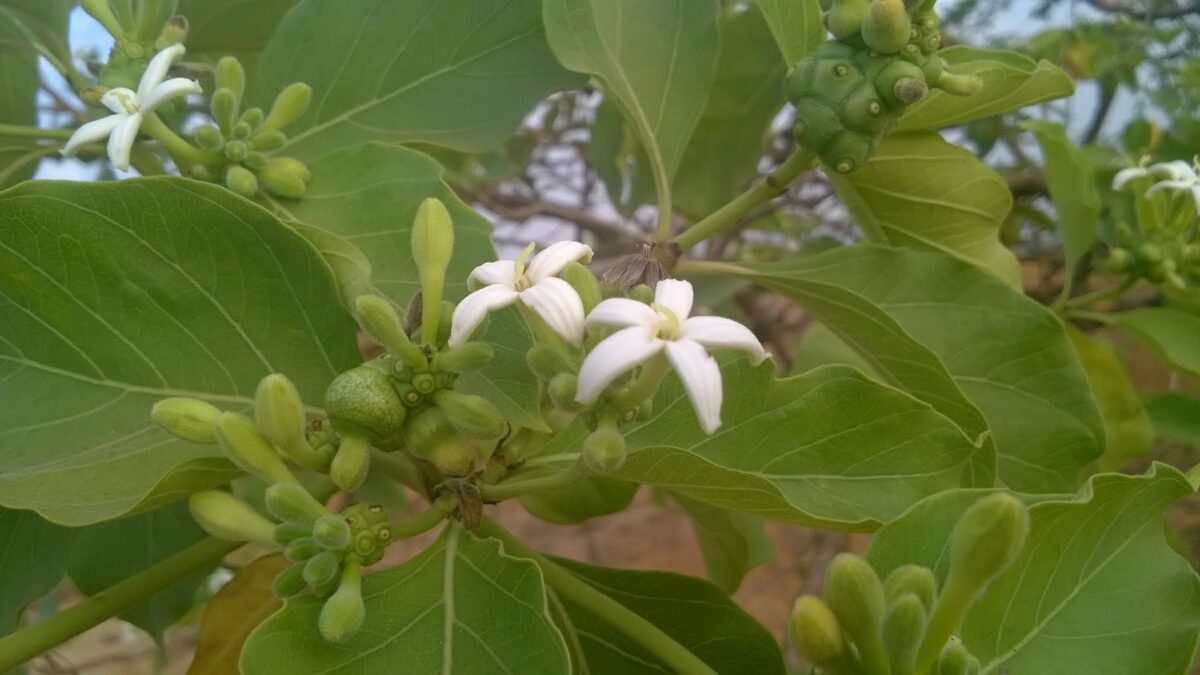
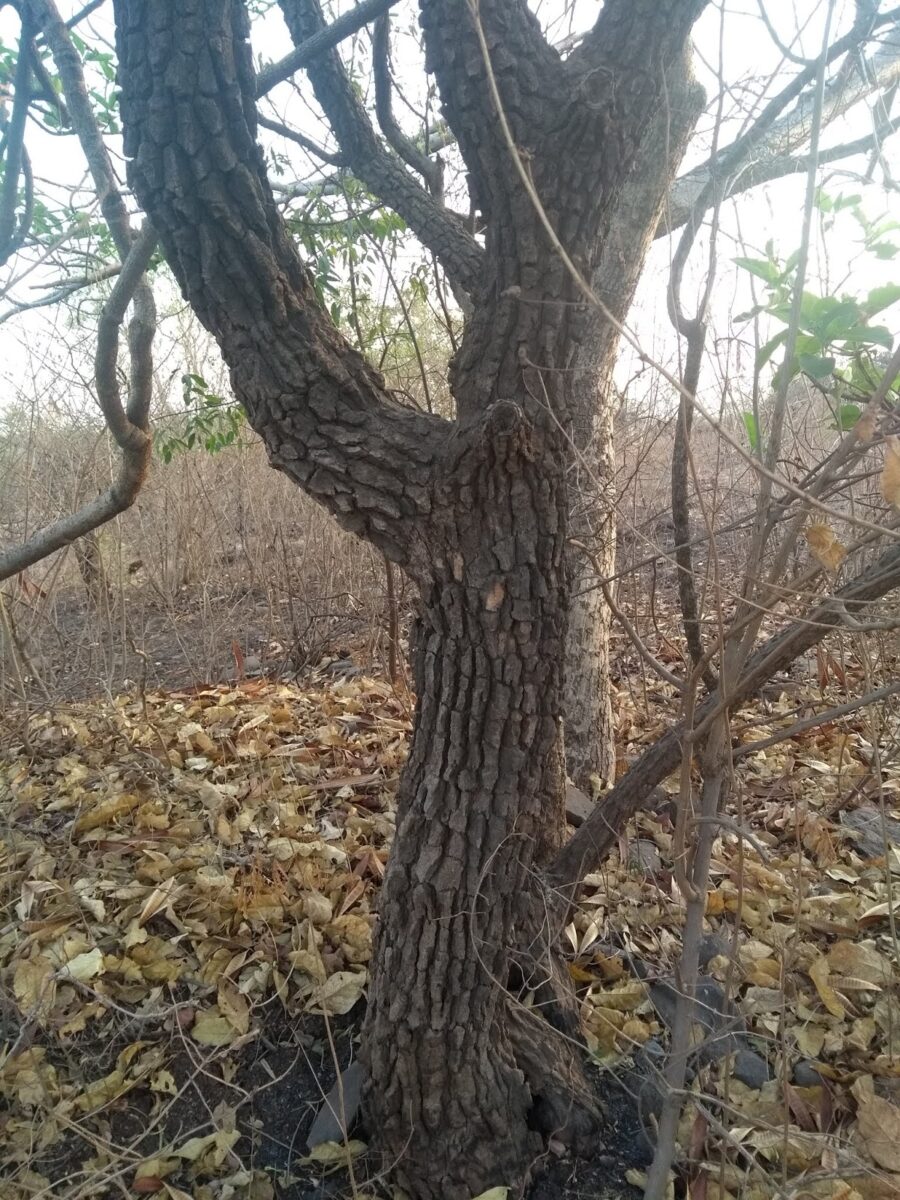
PS: This tree is the Boswellia serrata of the Burseraceae family.

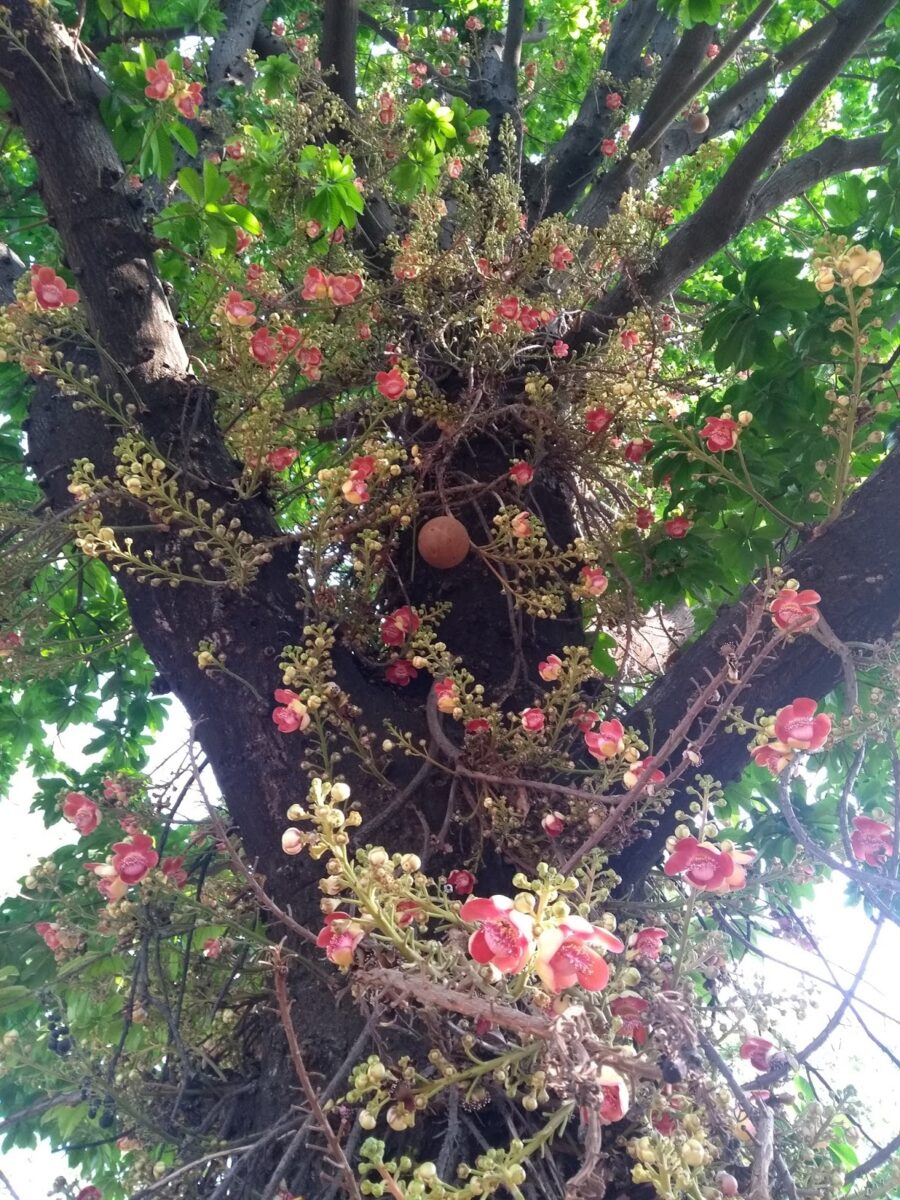
This beautiful tree with glorious fragrant flowers growing out of its main trunk goes by the unlikely common name “Cannon Ball Tree”. This is due to its large round fruit resembling cannon balls. Its botanical name is Couroupita guianensis and the species has been introduced in India. The tree belongs to the Lecythidaceae family.
The flowers are uniquely shaped almost like a Shivalinga. Hence the tree also goes by the common name Kailaspati. When plucked, the highly fragrant pretty flower stays fresh in a bowl of water for a day.
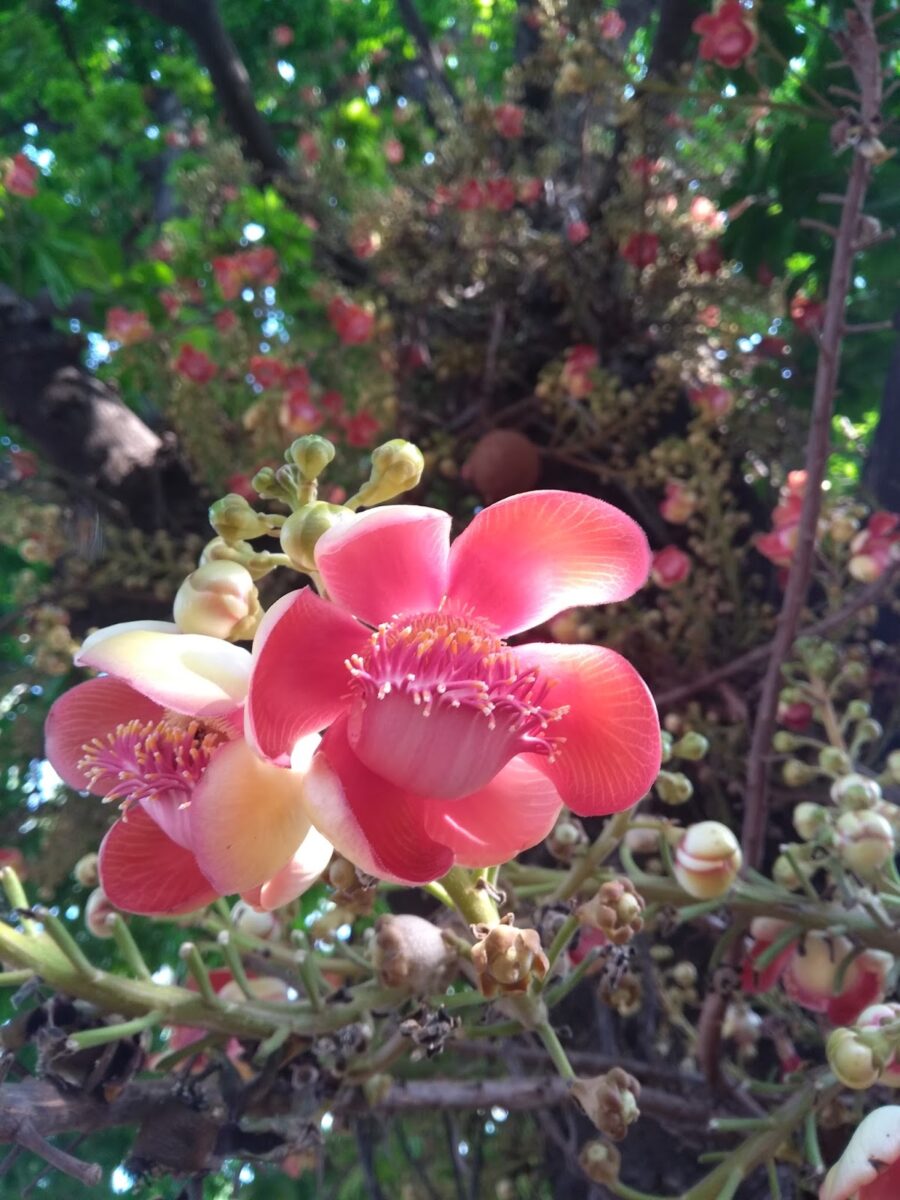
In sharp contrast, the fruit is filled with a foul smelling substance. If you look closely, some fruit are visible and seem to be strung on the trunk. If one of them falls on someone’s head, it can cause an injury!
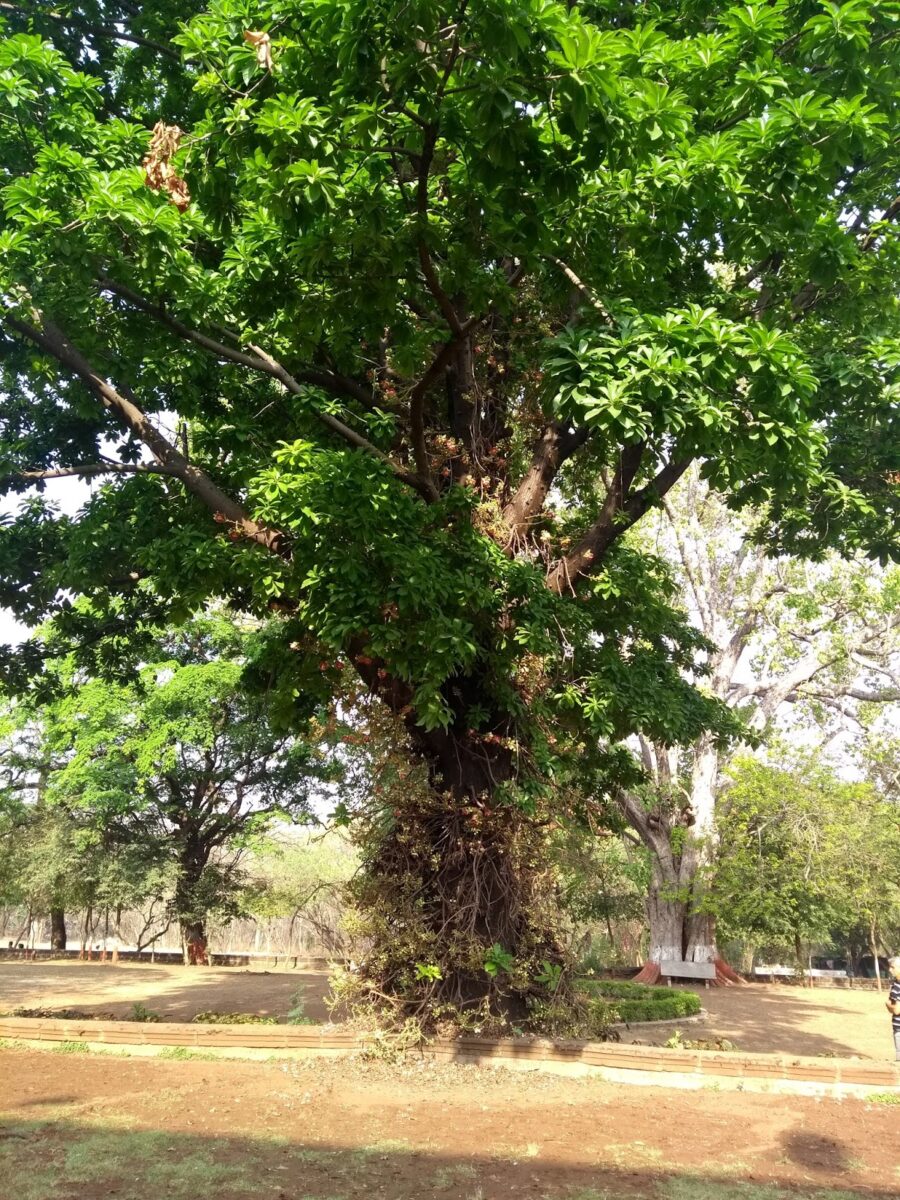
Kailaspati is native to the Amazon rainforest but seems to be happy in India considering its gregarious flowering and fruiting! It grows to be quite tall and is an imposing sight!
I am joining Parul‘s #ThursdayTreeLove blog hop. Do head over to see some wonderful trees from around the world!
|
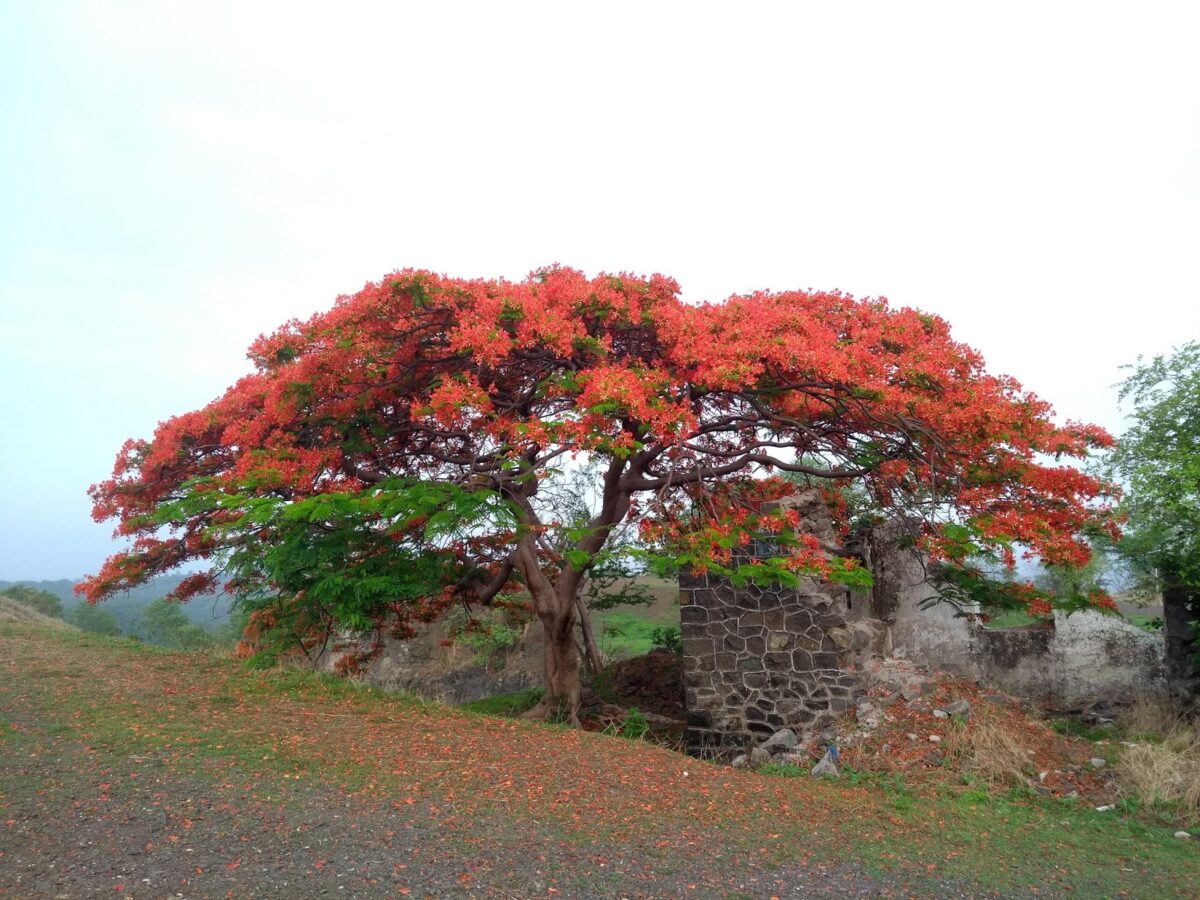
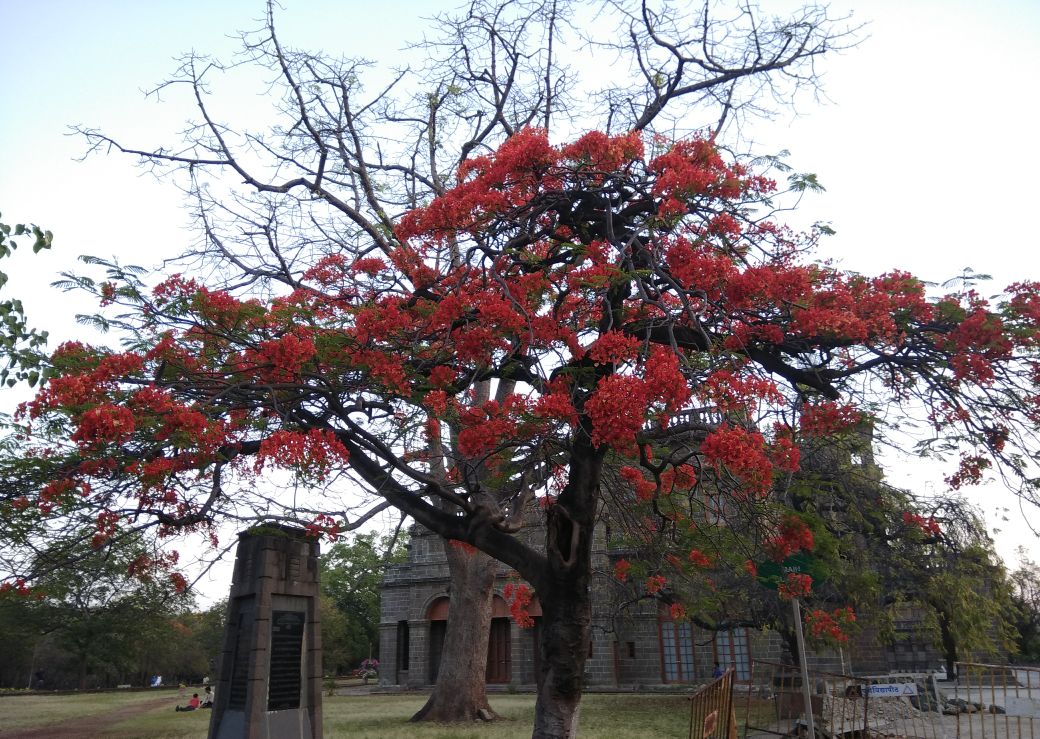
| What do you see? The glorious Mayflower or the stunning SPPU main building? Image credit Pankaj Kulkarni |
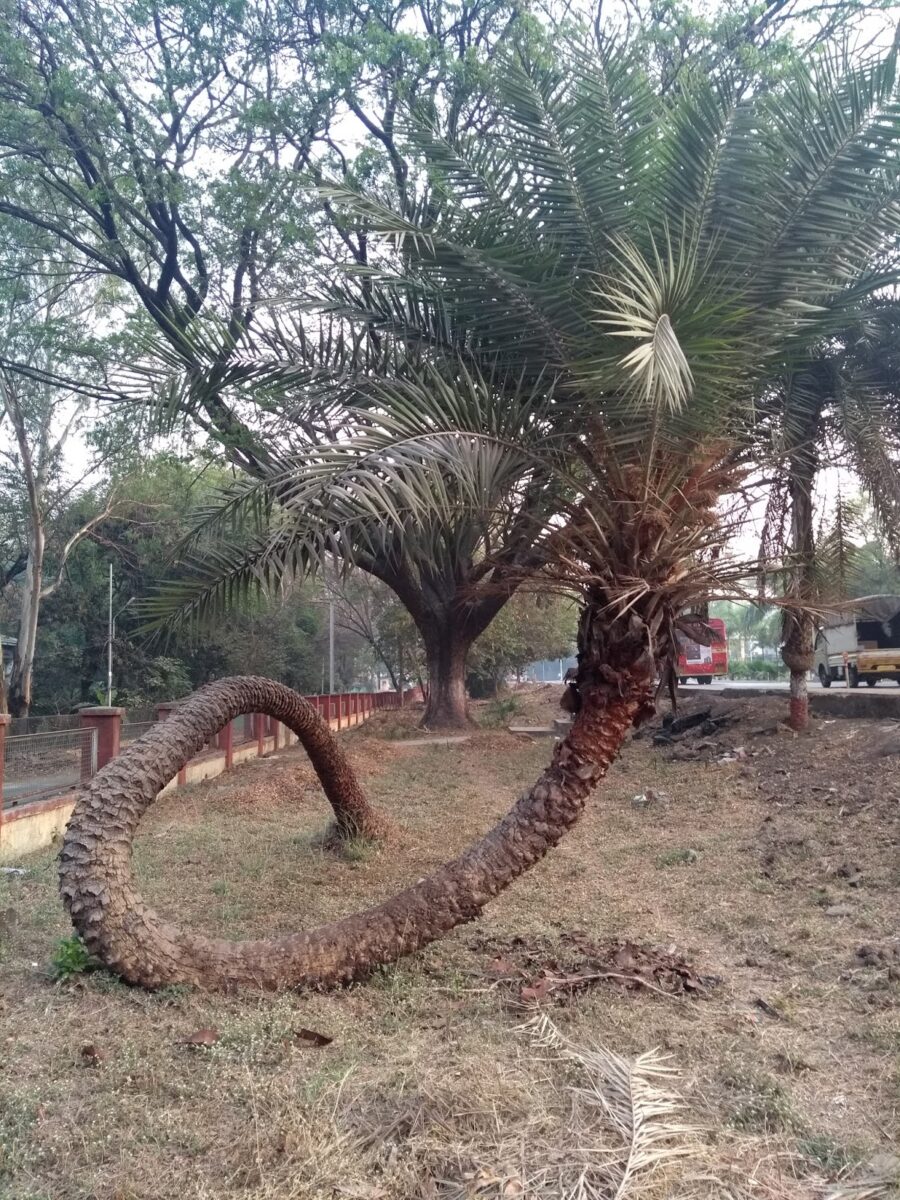
This tree has literally got my attention each and every time I pass by. So much so that I have to be cautioned to pay attention to traffic as it is located on my cycle route!
It is a Palm and quite and old one I think. For some reason, it has this twisted trunk. I can only speculate why this may have happened. Some storm perhaps. Or maybe there used to be some other structure there and the tree for some reason chose to grow around it…
Whatever maybe the case, its curves and lines are striking! Agree?
I am joining Parul in her #ThursdayTreeLove38 blog hop. Do head over to see some amazing trees from around the world. Better still, join in!