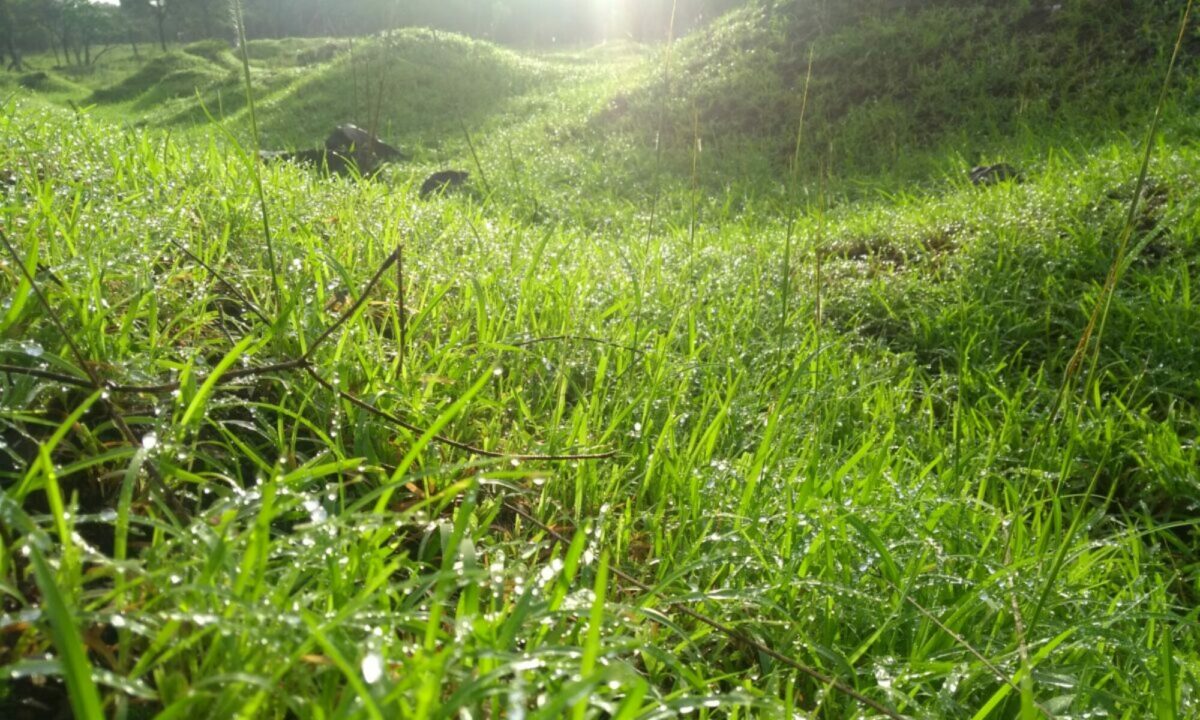
Horizon (Wordless Wednesday)
A khatta-meetha take on life around me through my presbiopic eyes!
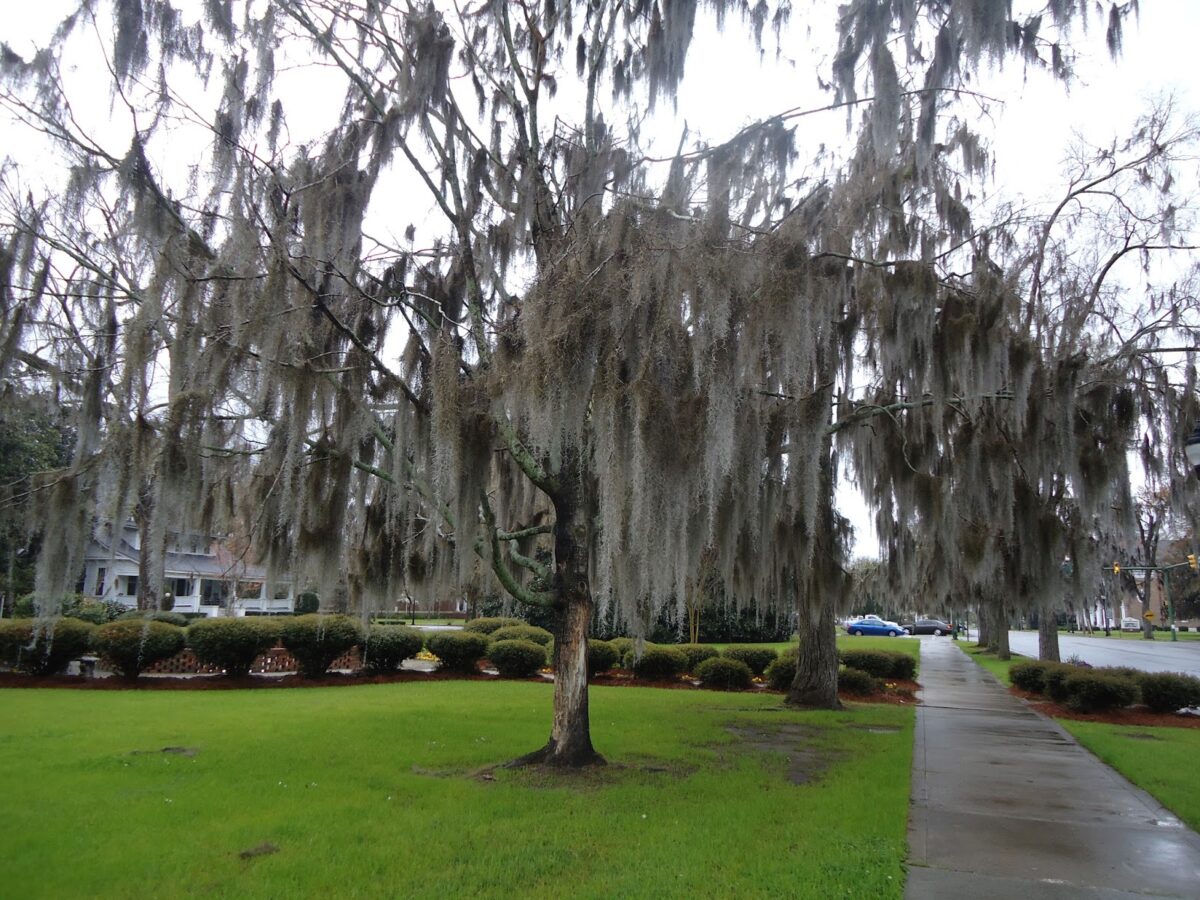
My sister in law informed me that these hanging filaments were Spanish Moss. Google helped with more information. Tillandsia usneoides is its botanical name belonging to the Bromeliaceae family and is found commonly growing on oak trees. Since my post is about trees, I shall not go into details about Tillandsia but you can look it up here.
Aha.. that took care of the mystery! What I was seeing was an Oak and what I thought as its leaves was actually another epiphytic plant growing on it.
Here is a close up where the Oak leaves are visible.
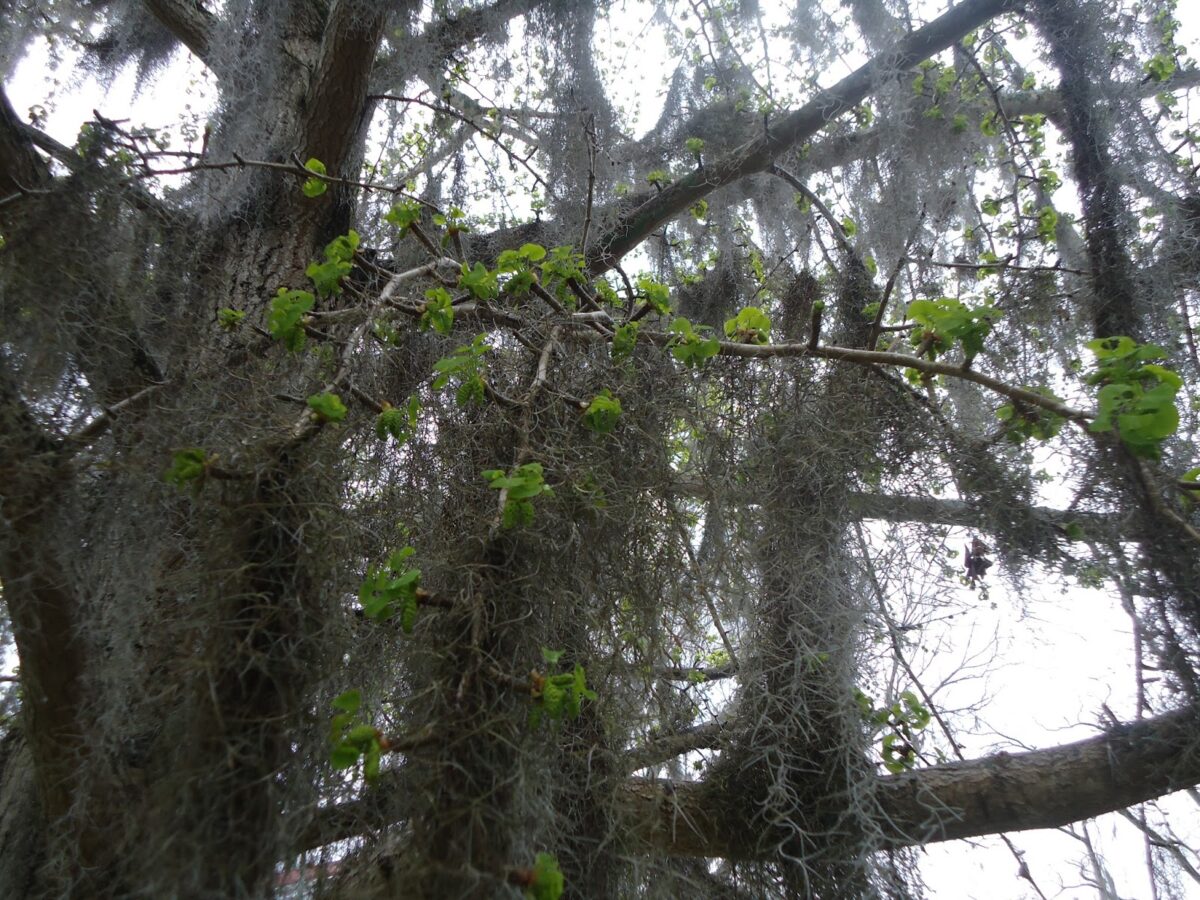
To this day, the Spanish Moss-festooned oak remains one of the most dramatic trees I have seen.
I am participating in Parul’s #ThursdayTreeLove29. Do head over to see some fantastic trees from around the world.

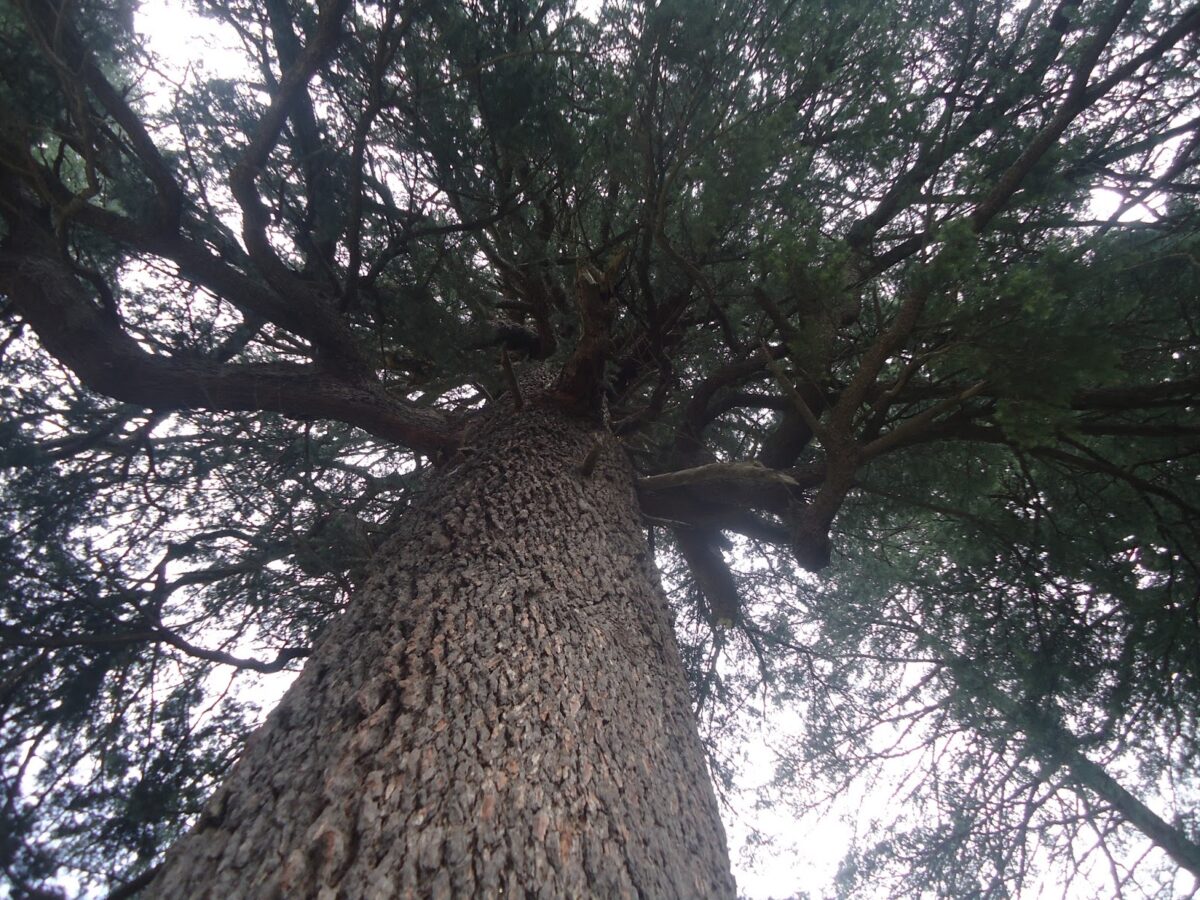
According to the locals, this is a really old tree, a claim which was supported by its height and girth. The tree is the Devdar which goes by the botanical name Cedrus deodara from the Pinaceae family. The leaves are needle like and the tree bears cones and not regular fruit that we are familiar with.
There were several Devdars in Manali and in on the mountain slopes as well. Here is another one that I spotted. Its stem is twisted, I wonder why…..
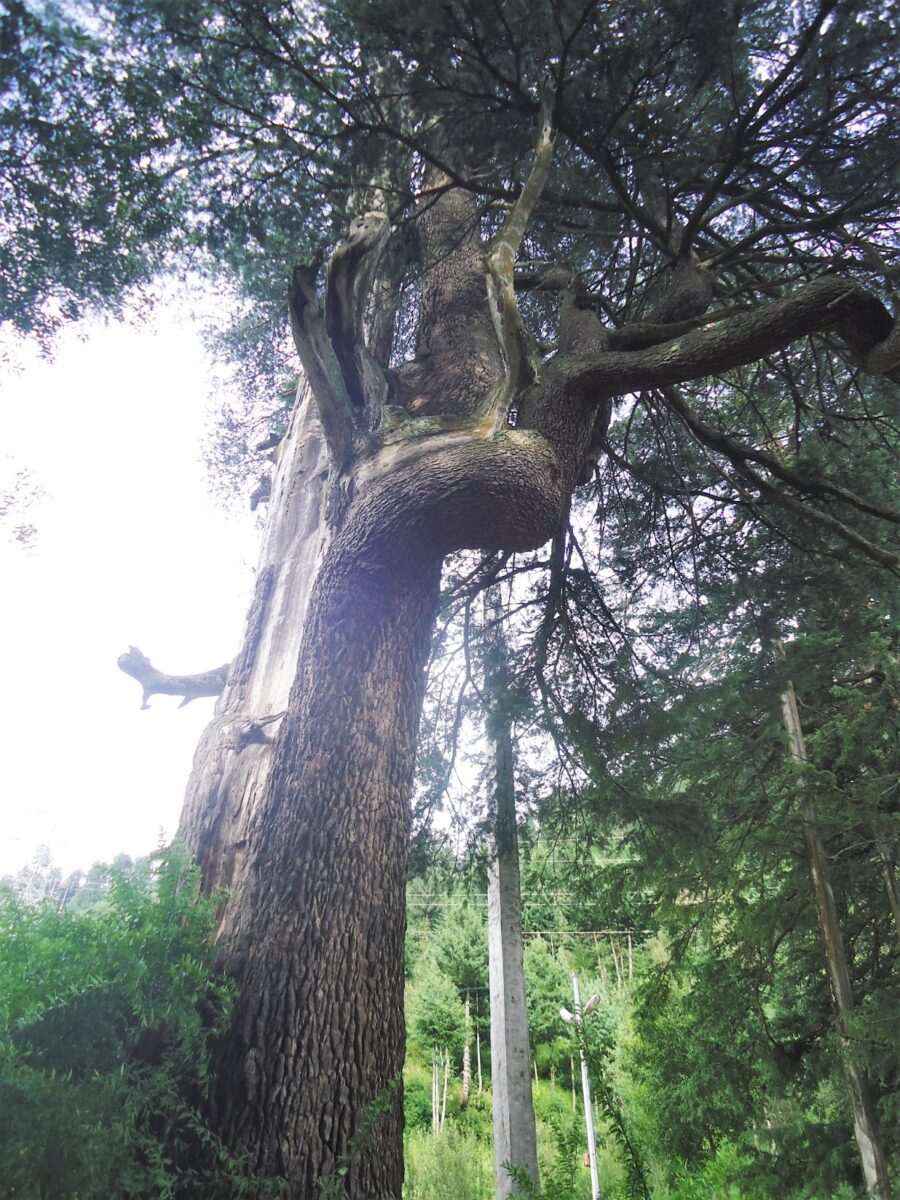
The species is native to India and commonly found on the slopes of the western Himalayas.
Have you seen the mighty Devdar tree?
I am participating in Parul’s #ThursdayTreeLove28. Head over to see some wonderful trees from around the world.


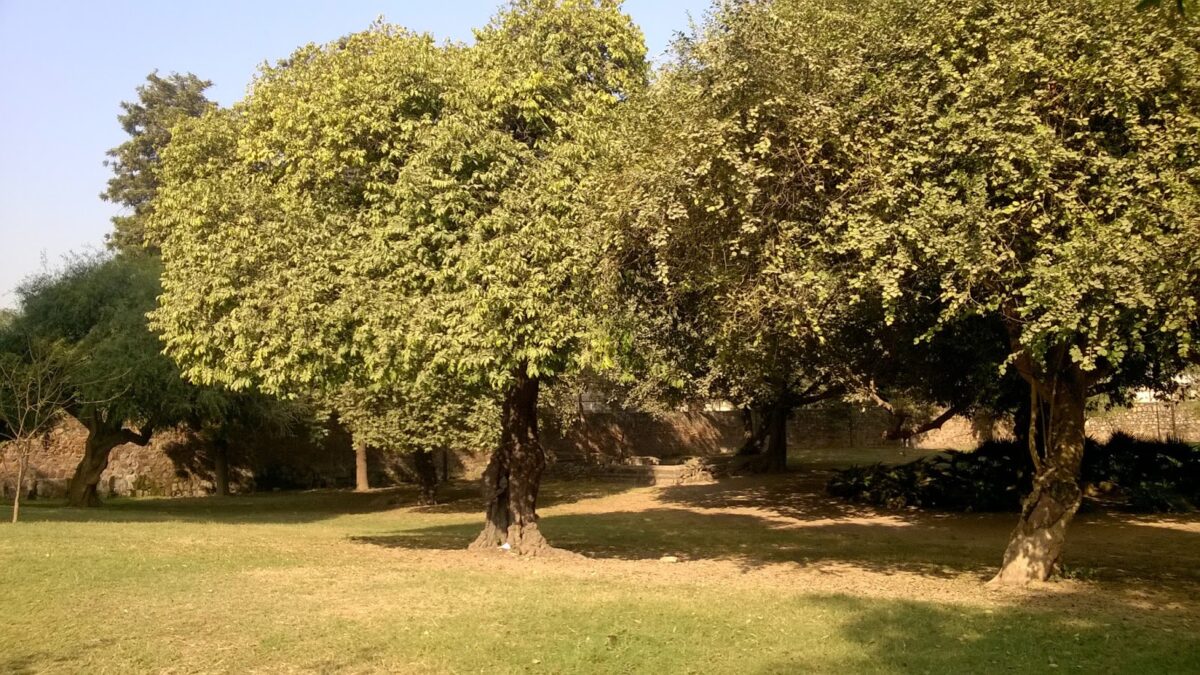
There are several of these in the complex so do take a while to spot and admire then if you do visit Qutub Minar. They have gnarled trunks with elliptic to oblong leaves with entire margins and arranged oppositely on the stems. We were lucky to see the fruits that were really beautiful glassy looking red globule like structures.
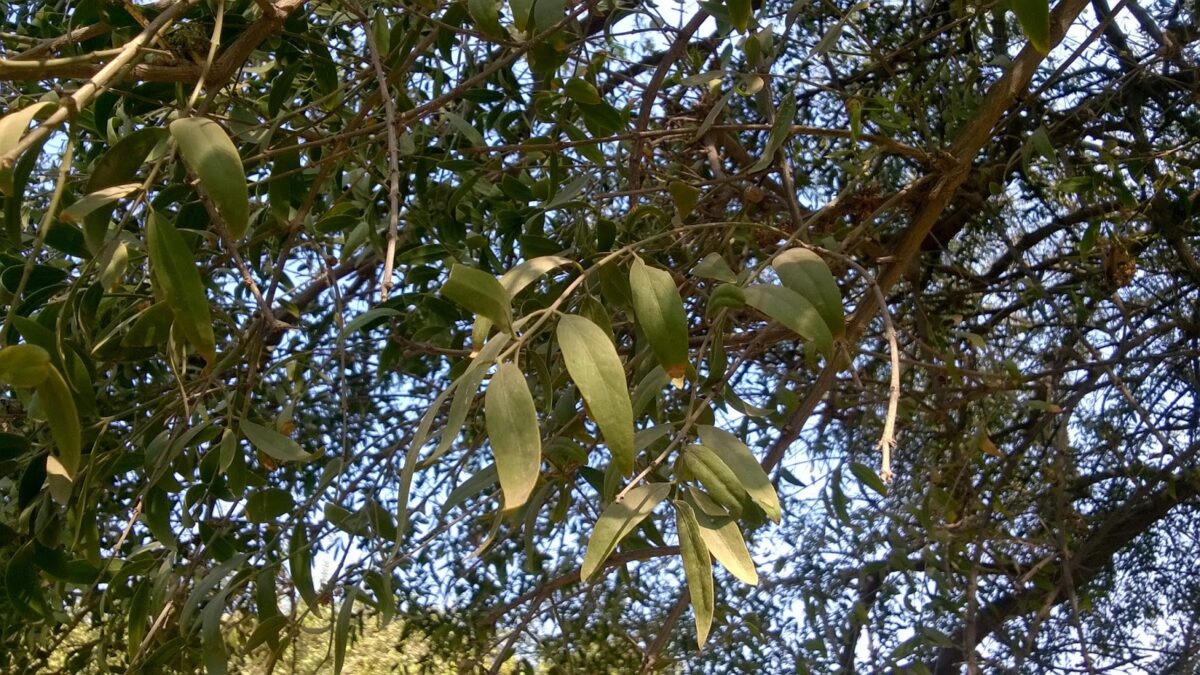 |
| Leaves |
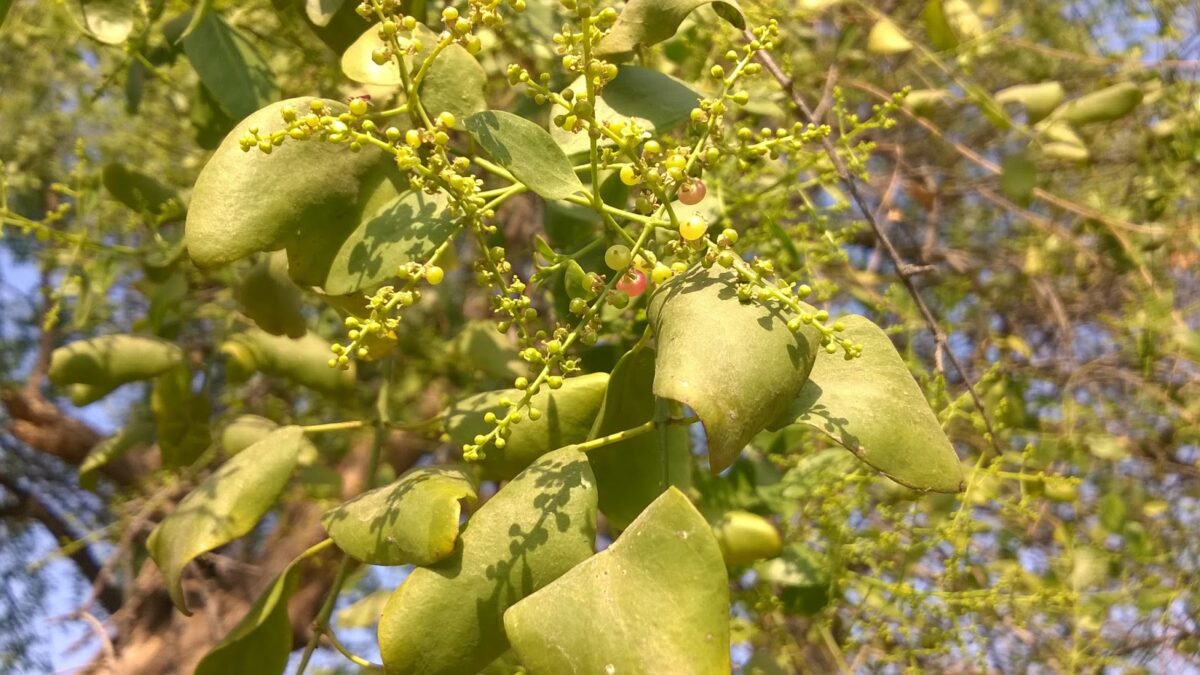 |
| Fruits |
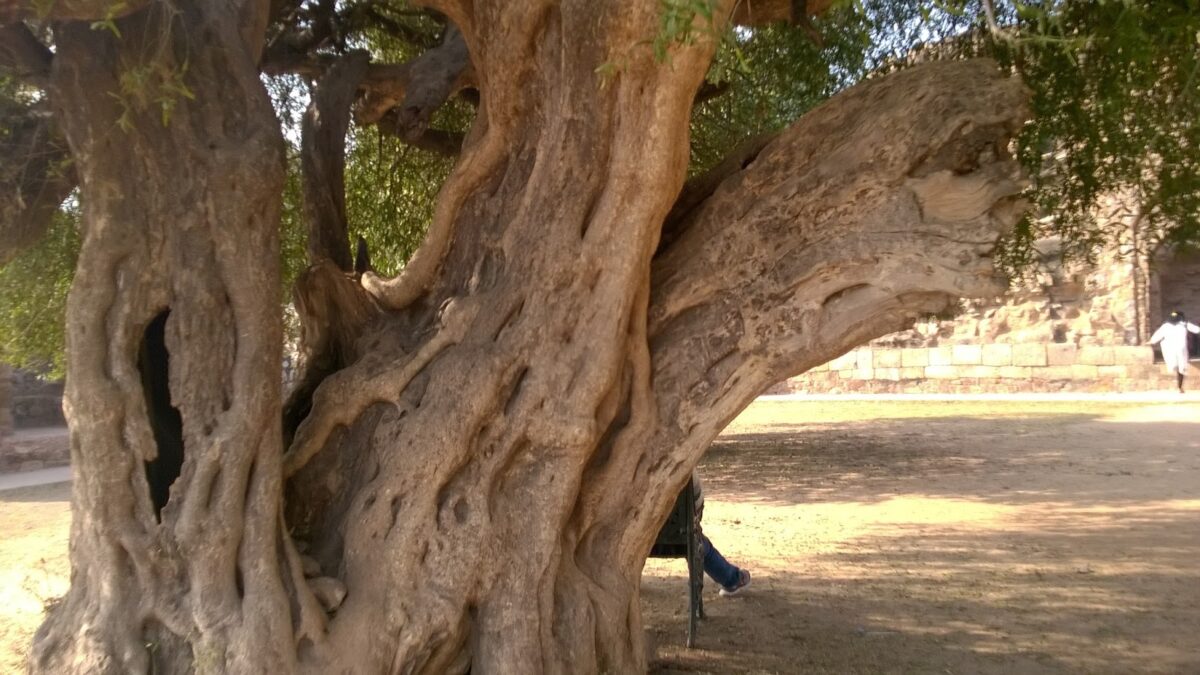 |
| One of the trees has this massive trunk which has some infestation |
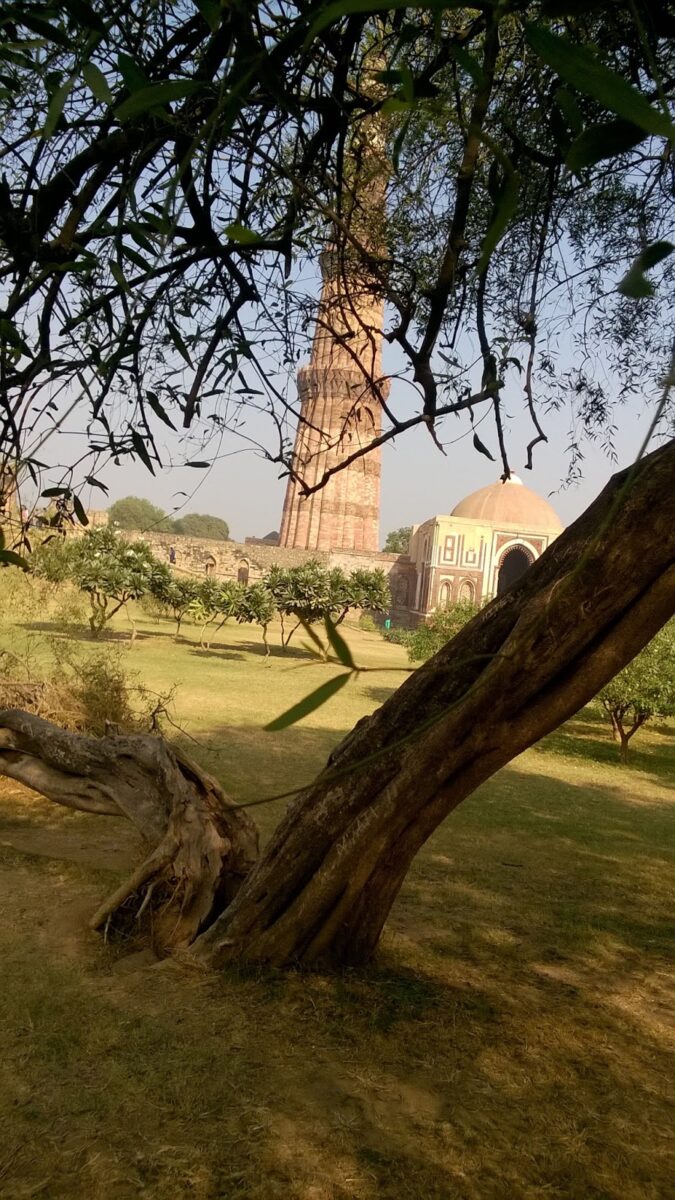 |
| As you can see one of the trees has fallen possibly weakened by some infection or due to weather conditions |
According to my field botany teachers, this tree is a mangrove associate so how come its flourishing in dry Delhi is a bit of a surprise to me.
Have you visited Qutub Minar? Have you spotted these trees?
I am participating in Parul’s #ThursdayTreeLove27. Head over there to see some lovely trees from around the world.